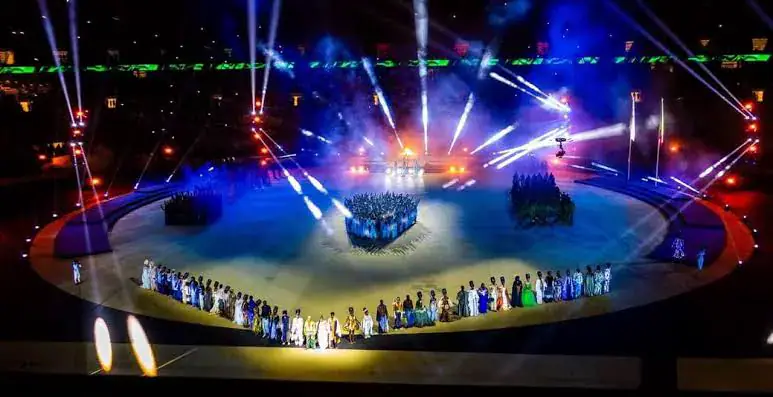
Senegal marked a significant milestone in Olympic history on October 31, 2026, with the opening ceremony of the Youth Olympics (Joj) "Dakar 2026" at the Abdoulaye Wade stadium in Diamniadio. The event drew delegations from around the world, featured artistic performances, and showcased a vibrant popular enthusiasm, presenting "a welcoming, creative, and open Senegal" to the world. According to Souleymane Amar, a specialist in territorial marketing, this first-ever Olympic sports event on African soil offers a unique opportunity for Senegal to showcase its territories, promote its know-how, and create sustainable economic opportunities.
Beyond the sporting aspect, Amar emphasizes that the Youth Olympics provide a platform for Senegal to promote its culture, creativity, hospitality, and talents. The opening ceremony demonstrated the capacity of Senegalese artistic expressions to convey a collective narrative and project the country's identity beyond its borders. Amar notes that the event offers a chance to transform global exposure into sustainable attractivity, generating economic activities, supporting employment, and strengthening the pride of local populations. He stresses that the Youth Olympics are not just a sporting competition but also a powerful tool for territorial communication and an opportunity to put territorial marketing principles into practice.
Amar explains that territorial communication aims to promote a territory and enhance its image, while territorial marketing goes further by identifying resources, building a coherent offer, promoting it to targeted audiences, and creating conditions for sustainable returns. The Youth Olympics provide Senegal with an exceptional global stage to showcase its infrastructure, culture, creativity, hospitality, and talents. Amar highlights that the challenge now is to extend this narrative beyond ceremonies and television broadcasts, as "visibility is a starting point, attractivity is an objective, and sustainable returns must be the ambition."
One of the fundamental principles of territorial marketing is collective action, Amar notes. A territory is not built as a brand from a communication office; it is structured with the actors who bring it to life, including local authorities, businesses, artisans, artists, athletes, professional organizations, associations, and residents. The Youth Olympics demonstrate this mobilization with territory ambassadors, including political actors, entrepreneurs, cultural figures, artists, and athletes. Amar believes that they contribute to welcoming visitors and telling Senegal's story to the world.
Amar emphasizes that populations should not remain mere spectators; they can participate in this dynamic by sharing their heritage, know-how, cultural initiatives, and local products. A territorial marketing strategy can only be considered successful if it improves a territory's image and creates opportunities for its residents. The Youth Olympics can open new outlets for artisans, restaurateurs, transporters, tourism operators, and entrepreneurs, allowing them to capitalize on the event's value through better visibility, commercial opportunities, and contacts that can extend beyond the games.
Amar stresses that the development of territories is more effective when local authorities and the private sector work together to build concrete responses. This conviction was highlighted during the second edition of the Territories Forum in Brussels in June, where it was noted that territorial development gains in effectiveness when collective and private sector responses are built together. Amar cites the example of the Notto Diobass intelligent city project, which associates territorial vision and economic partnership, illustrating the interest of this complementarity.
As the competitions continue, Amar notes that the challenge is now to better valorize existing offers, facilitate access to visitors, and multiply opportunities to discover Senegal. Public and private actors can promote local initiatives, direct visitors to cultural and tourist sites, highlight artisans and entrepreneurs, and foster meetings with economic actors. Amar also emphasizes the importance of documenting successful experiences, gathering visitor feedback, and maintaining contacts established during the Games to prepare for their extension after the event.
Key points
- The 2026 Youth Olympics offer Senegal a historic chance to reveal its territories and promote its know-how.
- Transforming global exposure into sustainable attractivity is crucial for generating economic activities and supporting employment.
- Collective action and partnership between local authorities and the private sector are essential for effective territorial development.