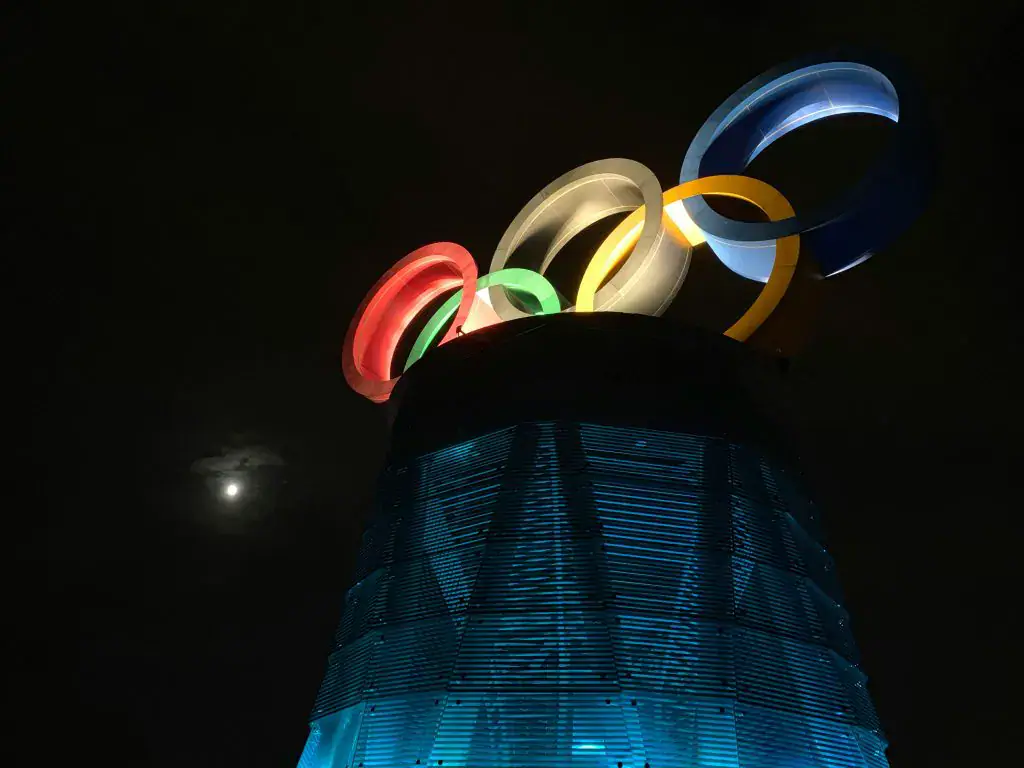
Senegal is set to make history by hosting the first Olympic sporting event on African soil. The fourth Summer Youth Olympic Games will take place from October 31 to November 13, 2026, across Dakar, Diamniadio, and Saly. Around 2,700 young athletes will compete in 25 sports and 153 medal events. This international event will place Senegal at the center of the sporting world, with implications for the future of African sports. The Games offer Senegal an opportunity to demonstrate its capacity to organize major events and develop its sporting infrastructure.
The competition will be distributed across three host zones: Dakar, Diamniadio, and Saly. Dakar will host events at Tour de l’Oeuf, Stade Iba Mar Diop, and Corniche West. Diamniadio, about 30 kilometers east of Dakar, will accommodate competitions at the Equestrian Centre, Dakar Arena, Abdoulaye Wade Stadium, and Dakar Expo Centre, as well as the Youth Olympic Village. Saly, approximately 80 kilometers south of Dakar, will host beach and water sports at Saly Beach West. This geographical distribution gives the Games a national dimension and brings sporting activity to different parts of Senegal.
One of the defining features of Dakar 2026 is its commitment to gender equality. The Games aim to achieve full gender balance across the overall athlete quota and every sport, discipline, and event. Of the 153 medal events, 73 are for women, 73 for men, and seven are mixed. This makes gender parity visible at the level of competition and reinforces the importance of equal representation in international sports. The long-term test will be whether women and girls gain more equitable access to coaching, sporting facilities, equipment, leadership positions, and funding within national sports systems.
The Games will also make history through the participation of the first Refugee Olympic Team at a Youth Olympic Games. Six athletes based in Kenya and Uganda will compete in athletics, judo, and taekwondo. Their participation highlights the opportunities that sporting programs can create for young people whose lives have been disrupted by displacement. It also demonstrates the contribution of African host communities and sporting organizations to refugee inclusion. Sustained support will be necessary for these athletes to continue developing their potential beyond Dakar.
Preparations for the Games have already extended beyond the competition venues. The Olympic flame arrived in Dakar on September 12 after being lit in Athens on September 10. Under the theme “Pass the Energy,” the flame tour is traveling through all 14 regions of Senegal, with over 30 planned stops before the Opening Ceremony on October 31. Sporting activities, cultural celebrations, and educational engagement aim to bring the Games closer to communities across the country.
The competition program offers a broad platform for different sporting traditions. Wushu is included as a medal sport, while beach wrestling makes its debut in the Olympic program. The wider program combines established Olympic disciplines with sports that may appeal to new audiences and communities. For African athletes, greater visibility can help generate interest in disciplines that receive less funding or media attention than mainstream sports.
For Senegal, the Games are part of a wider ambition to strengthen the country’s position in the international sports industry. President Bassirou Diomaye Faye has framed the event around developing the capacity to host major competitions, building a more structured sports economy, and expanding Senegal’s influence within the Olympic movement. The ultimate measure of success will be whether the investment and attention generate lasting benefits for local communities and young athletes.
Key points
- The 2026 Youth Olympic Games will feature 2,700 athletes competing in 25 sports and 153 medal events across Dakar, Diamniadio, and Saly.
- The Games prioritize gender equality, with 73 medal events for women, 73 for men, and seven mixed events.
- The event is part of Senegal’s strategy to develop its sports industry and host future international competitions.