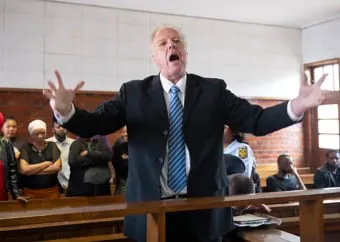
The Democratic Alliance (DA) in Tshwane has demanded that sanctions be applied against the city's deputy mayor. The party has not specified what actions it wants taken, but the call for sanctions suggests a significant rift between the DA and its coalition partners. The DA's demand comes amid ongoing tensions within the coalition government in Tshwane.
The tensions in Tshwane are part of a broader pattern of instability in South African municipalities. The DA and other opposition parties have long accused the ruling African National Congress (ANC) of corruption and mismanagement. In Tshwane, the DA has been a vocal critic of the ANC-led administration.
The DA's call for sanctions against the deputy mayor is the latest development in a long-standing dispute. The party has accused the deputy mayor of being involved in corrupt activities, but has not provided evidence to support its claims. The ANC has denied any wrongdoing and accused the DA of trying to destabilize the coalition government.
The situation in Tshwane is being closely watched by national leaders. The Minister of International Relations and Cooperation, Ronald Lamola, has spoken out about the use of economic sanctions as a tool of foreign policy. Lamola's comments are relevant to the situation in Tshwane, where the DA is seeking to use its leverage to push for action against the deputy mayor.
The DA's demands have sparked a heated debate about the role of opposition parties in coalition governments. Some have argued that the DA's actions are a legitimate attempt to hold the coalition government accountable, while others have accused the party of trying to undermine the administration. The dispute highlights the challenges of coalition politics in South Africa.
The situation in Tshwane has implications for the broader South African political landscape. The DA's call for sanctions against the deputy mayor is part of a larger struggle for control and influence within the coalition government. The ANC has long been the dominant party in South African politics, but the DA and other opposition parties are seeking to challenge its power.
The DA's demands have also raised questions about the effectiveness of coalition governments in South Africa. The Tshwane coalition has been marked by tensions and disagreements, and some have questioned whether such arrangements are viable in the long term. The situation in Tshwane will likely continue to be closely watched by national leaders and observers.
Key points
- The DA in Tshwane is demanding sanctions against the city's deputy mayor, citing corruption and mismanagement.
- The situation in Tshwane reflects broader tensions within South African municipalities and the coalition government.
- The DA's actions have sparked a debate about the role of opposition parties in coalition governments and the effectiveness of such arrangements.