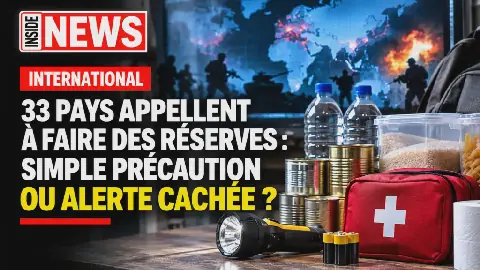
A wave of cyberattacks has hit European retailers, leaving supermarket freezers and refrigerators unable to preserve food. The attacks affected major retailers in Belgium, Luxembourg, Sweden, and Ireland, as well as at least one IKEA store in Belgium. Several businesses reported substantial food losses after their refrigeration units reached temperatures far above safe storage levels.
The incident is not an isolated one, as it comes less than a month after a similar attack in France. Hackers reportedly took control of refrigeration systems at hundreds of supermarkets in France, causing fires and significant food losses. Investigators have yet to identify those responsible for the French attack, and it is unclear if there is a link between the French and European incidents.
Among the affected companies were Ahold Delhaize, Colruyt, Sweden’s ICA and Coop, and Ireland’s Musgrave, which operates SuperValu stores. At an ICA franchise store in Stockholm, the damage became apparent only hours after the attack. The store’s freezers had reached 50 degrees Celsius, leaving its food stocks beyond recovery.
The latest attacks have raised questions about whether European retailers face a broader campaign against their infrastructure. No individual or group has claimed responsibility, and investigators have not established a link between the incidents. Katrien Eggers, spokesperson for Belgium’s Centre for Cybersecurity, said authorities might never identify the perpetrators.
The attacks illustrate how cybercriminals can exploit technology far beyond computers and conventional IT networks. Supermarkets increasingly rely on connected systems to regulate refrigeration, manage buildings, monitor security cameras, and control access to their premises. A breach of these systems can therefore cause physical damage and disrupt daily operations.
Some of the refrigeration units affected used temperature-control technology from Danish manufacturer Danfoss, whose equipment also came under attack during last month’s incidents in France. The company said it was working with customers to address the vulnerabilities. The incidents prompted concern from the European Commission, particularly over their potential impact on food distribution and consumer confidence.
Cybersecurity researcher Tom Hegel of SentinelOne said retail chains were attractive targets because of their extensive networks of connected equipment. He identified extortion, political motives, and state-sponsored operations as possible explanations for such attacks. The repeated attacks have placed European retailers under renewed pressure to strengthen the security of systems that protect food stocks and support essential business operations.
Key points
- Hackers tampered with refrigeration systems at supermarkets across Europe, causing food losses and disruptions.
- The attacks affected major retailers in Belgium, Luxembourg, Sweden, and Ireland, and raised concerns about the vulnerability of Europe's food supply chain.
- Investigators have not established a link between the incidents, and no individual or group has claimed responsibility.