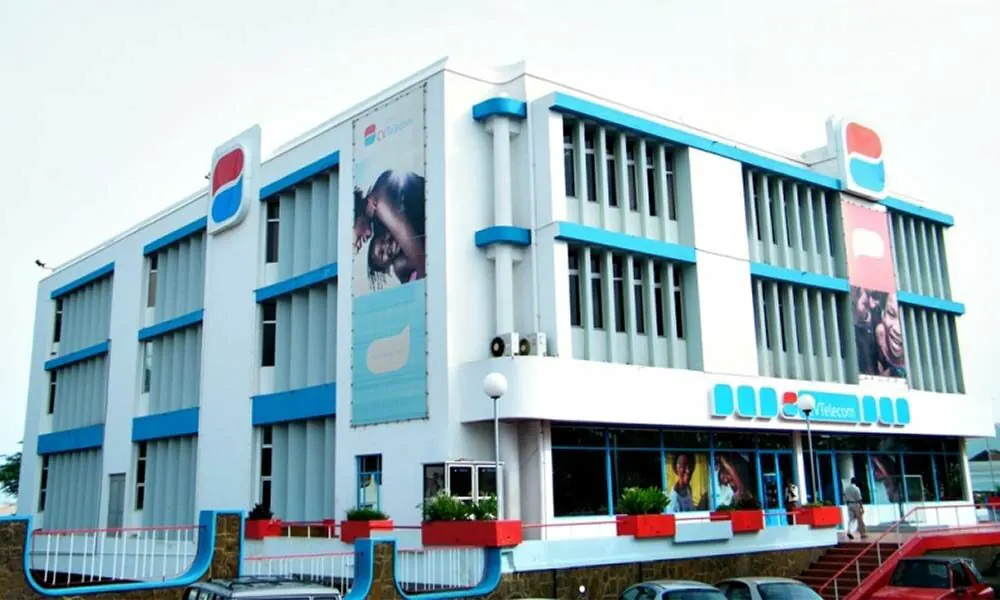
Cabo Verde Telecom (CVTelecom) and DE-CIX, a leading internet exchange point operator, have signed a letter of intent to explore the creation of a new undersea cable route in the South Atlantic. The proposed cable would connect Lisbon, Portugal, to São Paulo, Brazil, allowing networks from Southern Europe, West Africa, and Latin America to exchange data more directly and efficiently. This initiative aims to reduce reliance on traditional traffic hubs in Northern Europe and North America.
The cooperation between CVTelecom and DE-CIX would provide CVTelecom with access to DE-CIX services in several major cities, including Frankfurt, Madrid, Marseille, New York, and São Paulo. In return, DE-CIX would gain access to CVTelecom's dedicated data transport capacity between Lisbon and São Paulo. The technical implementation and commercial conditions of the partnership will be defined in a definitive agreement. This collaboration is expected to enhance the resilience, diversity of routes, and performance of connectivity between the continents.
According to Isa Neves, CVTelecom's Executive Administrator, the partnership with DE-CIX represents a significant step in strengthening Cabo Verde's position as a strategic digital gateway between Africa, Europe, and the Americas. The goal is to increase connectivity, resilience, and access to digital services, generating new opportunities for CVTelecom clients and contributing to the digital development of Cabo Verde and the West African region.
Theresa Bobis, Head of Emerging Wholesale Markets at DE-CIX, believes that more direct data routes can improve performance, increase infrastructure resilience, and create new opportunities for companies and network operators in the three regions. The initiative is expected to benefit network operators, internet service providers, content and cloud providers, and companies seeking efficient and resilient connectivity between Southern Europe, West Africa, and Latin America.
The proposed undersea cable route would provide a more direct and efficient way for networks to exchange data, reducing latency and improving overall performance. This is particularly important for applications that require high-bandwidth and low-latency connectivity, such as cloud computing, video streaming, and online gaming. By increasing the diversity of routes and reducing reliance on traditional hubs, the initiative aims to enhance the resilience of global connectivity.
The new undersea cable route would also contribute to the economic development of Cabo Verde and the West African region. By increasing access to digital services and improving connectivity, the initiative can help attract investment, create jobs, and stimulate economic growth. Additionally, the partnership between CVTelecom and DE-CIX can help to promote digital innovation and entrepreneurship in the region.
The implementation of the new undersea cable route is subject to further study and negotiation. CVTelecom and DE-CIX will need to conduct technical and financial feasibility studies, obtain regulatory approvals, and secure funding for the project. However, with the signing of the letter of intent, both parties have expressed their commitment to exploring this opportunity and making it a reality.
Key points
- CVTelecom and DE-CIX sign letter of intent to study new undersea cable route in the South Atlantic.
- The proposed cable would connect Lisbon, Portugal, to São Paulo, Brazil, and provide more direct and efficient connectivity between Southern Europe, West Africa, and Latin America.
- The initiative aims to reduce reliance on traditional traffic hubs in Northern Europe and North America and enhance the resilience and performance of global connectivity.