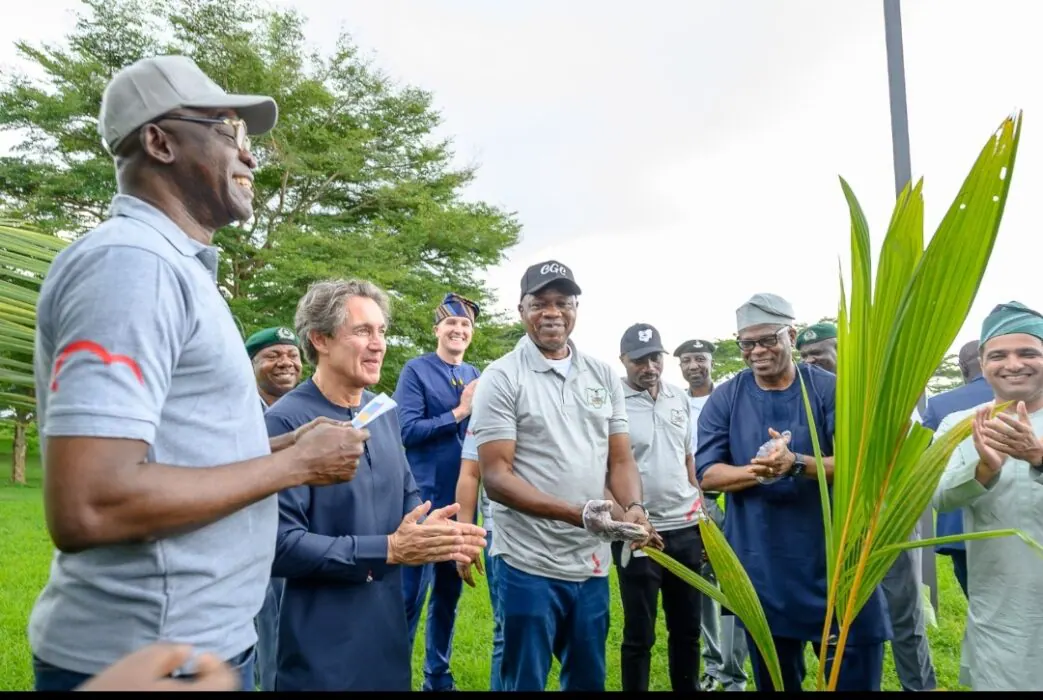
The Nigeria Customs Service (NCS) and manufacturers are enhancing their collaboration to facilitate trade, ensure regulatory compliance, and develop exports. This effort aims to improve the ease of doing business and boost Nigeria's manufacturing competitiveness. Comptroller-general of Customs, Bashir Adewale Adeniyi, recently visited BAT Nigeria's manufacturing facility in Ibadan to inspect operations and discuss customs compliance with management.
During the visit, Adeniyi emphasized the importance of balancing revenue mobilisation with trade facilitation. He stated that a conducive environment for compliant businesses would lead to increased production, investment, and exports. Adeniyi commended BAT Nigeria for its high level of compliance, transparency, and accountability in importation, factory operations, and excise administration.
Adeniyi expressed support for BAT Nigeria's planned participation in the Authorised Economic Operator (AEO) programme, citing the company's strong compliance record. The AEO programme offers benefits such as faster clearance and less intrusive customs controls to trusted traders. This programme can significantly enhance BAT Nigeria's export capabilities and competitiveness in the global market.
The Comptroller-general pledged Customs' support for expanding Nigerian-made products into international markets. He assured manufacturers that the service would facilitate legitimate exports and collaborate with international counterparts when necessary. Adeniyi's commitment reflects the government's efforts to promote economic growth through sustained investment in the manufacturing sector.
Adeniyi noted that the growth of BAT Nigeria's operations demonstrates the positive impact of sustained investment on Nigeria's industrial development. He recalled the government's economic agenda, which focused on backward integration and import substitution. The company's continued evolution and positive growth are a testament to the success of these initiatives.
Managing director of BAT Nigeria, Yarub Al-Bahrani, emphasized the importance of government-industry engagement in strengthening domestic manufacturing and economic activity. He stated that a modern manufacturing facility has a broader impact on the economy, extending beyond its operations to employ people, support suppliers, and contribute to logistics networks.
Al-Bahrani added that BAT Nigeria's engagement with Customs goes beyond regulatory compliance to include cooperation on sustainable manufacturing, trade, and broader economic development. This collaboration is critical to driving economic growth and development in Nigeria. The partnership between Customs and manufacturers is expected to have a lasting impact on the country's industrial development and economic activity.
Key points
- Strengthening collaboration between Customs and manufacturers to improve trade facilitation and export development
- Nigeria Customs Service to support expansion of Nigerian-made products into international markets
- BAT Nigeria's participation in Authorised Economic Operator programme to enhance export capabilities