The Cuban government has implemented 158 new economic and social measures, out of an initial 176 approved by the National Assembly in July. These measures, supported by 197 legal decrees, aim to boost the country's struggling economy. They include allowing private companies to import goods, easing restrictions on private tourism, and permitting private banks under the supervision of the central bank.
The reforms also allow foreign capital to invest directly in private Cuban companies for the first time, rather than operating through state-controlled structures. Private companies will no longer be limited to a maximum of 100 employees. Economist Daniel Torralbas, based in London, describes the new measures as "the most profound economic reform program... since the 1959 revolution."
Mauricio Alonso, a 68-year-old former nuclear engineer, manages an Airbnb rental in Havana and supports the new economic measures. He believes the changes will benefit him personally, allowing him to partner with foreigners and expand his business. Alonso also thinks that working with travel agencies will become easier with the lifting of restrictions.
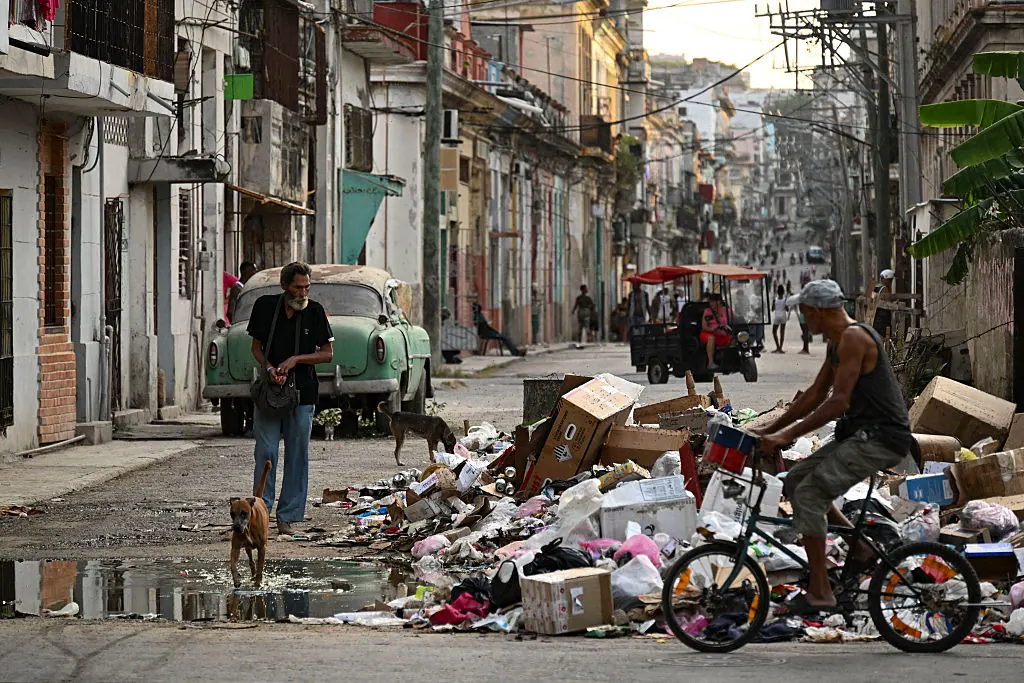
The US embargo on Cuban fuel, imposed by the Trump administration, has exacerbated the island's economic crisis. The embargo, which began in 2020, has led to a severe shortage of fuel, causing public transportation to disappear and daily electricity availability to dwindle. This has significantly affected the daily lives of Cubans, including their studies, recreational activities, and household chores.
According to Díaz Pérez, a Cuban resident, the poverty and inequality in Cuba have increased due to the hostile US policy, leading to a rise in street violence. She believes that the situation has become more palpable since January, with insufficient street lighting contributing to increased insecurity.
A recent UNICEF report highlights the dire situation in Cuba, with Cubans experiencing 20 hours of daily power outages and the infant mortality rate doubling to 9.9 per 1,000 births. The report also notes that children are dying due to a lack of access to medical supplies and essential medicines.
Díaz Pérez thinks that the success of the government's strategy depends on the willingness of other countries to confront the US and defend Cuba's economic sovereignty. She believes that countries like Vietnam and China, as well as Cuban expatriates, have already announced plans for economic collaboration, which could help mitigate the effects of the US embargo.
Key points
- The Cuban government has implemented new economic reforms aimed at boosting the country's struggling economy.
- The reforms have been welcomed by Cubans, but concerns remain about potential US interference that could undermine the changes.
- The US embargo on Cuban fuel has exacerbated the island's economic crisis, leading to severe shortages of fuel, public transportation, and daily electricity.