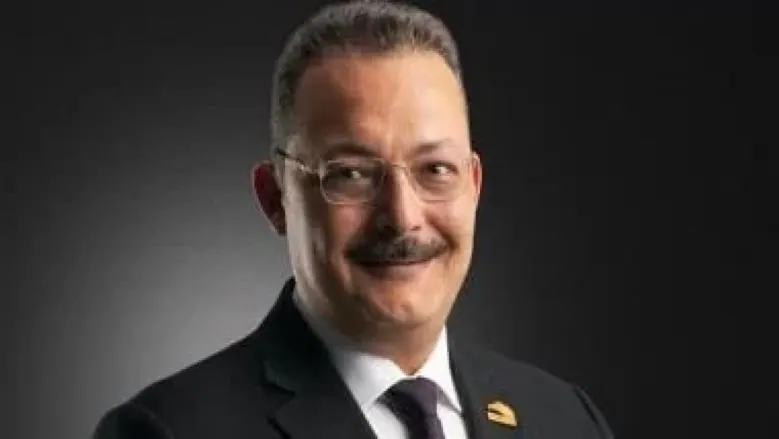
Egyptian MP Samir Sabri stated that the country has made significant strides in diversifying its energy sources, moving beyond its traditional reliance on natural gas and petroleum. Historically, local production of conventional energy covered only about 70% of the nation's needs, with the remainder being imported. This shift towards a more varied energy mix is seen as a strategic move to bolster the economy.
Sabri highlighted several key initiatives in this area, including the development of wind energy in the East Desert's Zafarana region and solar power in the Benban complex in Aswan. These renewable energy sources are now contributing to the country's electricity production, alongside the planned nuclear energy project in El Dabaa. This diversification aims to reduce dependence on imported fuels and enhance energy security.
The development of modern power plants, particularly those constructed in collaboration with Siemens, has been another crucial aspect of Egypt's energy strategy. These plants are characterized by higher fuel efficiency compared to older facilities, allowing for greater energy output with lower fuel consumption. According to Sabri, upgrading the power generation infrastructure is vital for supporting economic growth and ensuring that Egypt can meet its energy demands.
Sabri also emphasized the importance of infrastructure development in enhancing Egypt's appeal to foreign investors. Improvements in transportation networks, ports, and regulatory procedures have created a more favorable business environment. The Korean industrial experience in Egypt, exemplified by the Samsung factory in Beni Suef, illustrates the progress made in this regard.
The recent Asian tour by President Abdel Fattah el-Sisi, which included visits to South Korea, Malaysia, and Indonesia, has opened up new avenues for cooperation in areas such as industry, technology, trade, and investment. Sabri noted that strengthening ties with these nations can provide Egypt with significant opportunities to promote its investment potential, particularly in the context of shifting global trade dynamics.
The strategic importance of certain maritime routes, such as the Malacca Strait, was also underlined by Sabri. Enhancing relations with countries bordering critical waterways can support international trade flows and link them to the Suez Canal, especially given the current tensions affecting navigation in the region.
In conclusion, Egypt's efforts to diversify its energy sources and develop its infrastructure are seen as key factors in attracting investment and promoting economic growth. By leveraging its strategic location and fostering partnerships with Asian nations, Egypt aims to enhance its position as a major player in regional and global trade.
Key points
- Egypt is diversifying its energy sources to include more renewable options.
- Infrastructure development is crucial for attracting foreign investment.
- Strengthening Asian partnerships can support Egypt's trade and investment goals.