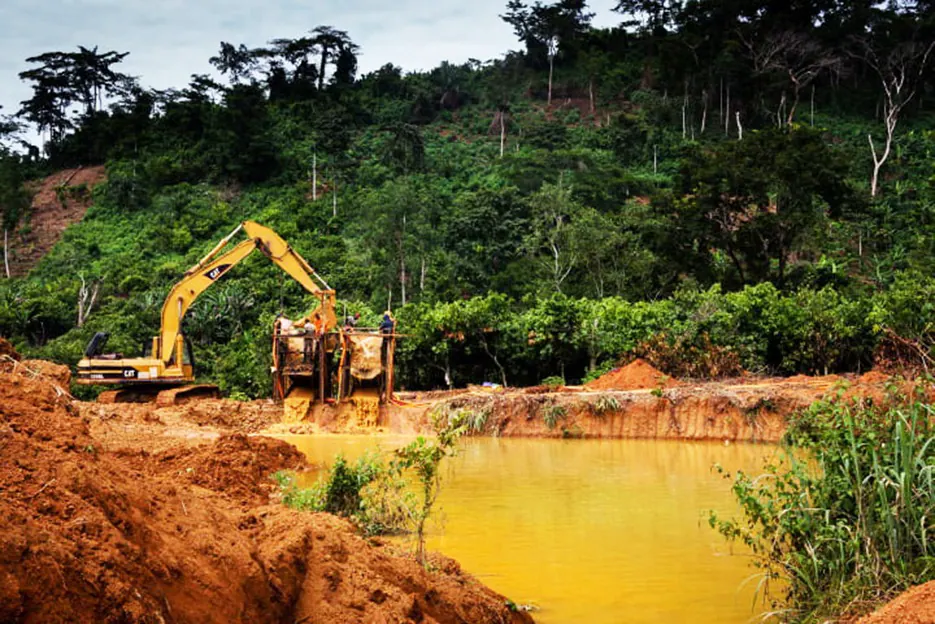
A coalition of civil society organisations in Ghana, known as the Citizens' Platform on Constitutional Reform (CPCR), is advocating for environmental rights to be included in the country's constitution. This move is part of Ghana's ongoing constitutional reform process, which could significantly change how the country protects its natural resources. The CPCR proposes that every Ghanaian should have a constitutional right to a clean, healthy, and sustainable environment.
The proposed environmental rights seek to give communities affected by natural-resource projects a greater say in decisions that could impact their land, livelihoods, and surroundings. The CPCR argues that environmental protection should not be left solely to ordinary legislation, but rather be recognised and protected at the constitutional level. This would ensure that communities have a stronger voice in decisions that affect their environment and livelihoods.
The CPCR's proposal also demands constitutional protection for the right of affected communities to participate meaningfully in natural-resource decisions, including free, prior, and informed consent. This provision would enable communities to have a greater say in activities that could significantly affect their environment and livelihoods. The coalition believes that this would make environmental protection a more direct constitutional issue.
The environmental rights proposal is one of 16 areas where the CPCR wants the government to reconsider its position on recommendations arising from the review of the 1992 Constitution. The coalition believes that some of the government's proposed approaches do not sufficiently address the underlying problems that prompted calls for constitutional reform. The demand is also linked to a broader push for stronger citizen participation in governance.
The CPCR is advocating for a right to meaningful public participation in law-making, arguing that citizens should have genuine opportunities to influence decisions that affect their lives. The coalition believes that the constitution should recognise and protect this right. This push for stronger citizen participation is part of a broader effort to promote democratic development and good governance in Ghana.
Ghana is preparing to implement an extensive package of constitutional reforms, with over 50 provisions affected by the recommendations under consideration. More than 20 of these provisions touch entrenched clauses requiring approval through a referendum. The CPCR is urging that environmental protections be secured at the constitutional level, rather than left solely to ordinary legislation.
The CPCR is calling for a genuine national dialogue involving the government, parliament, political parties, organised labour, civil society, and citizens to shape the broader reform process. The coalition believes that the final outcome should reflect the considered will of Ghanaians. By pushing for environmental rights to be entrenched in the constitution, the CPCR aims to promote sustainable development and protect Ghana's natural resources for future generations.
Key points
- Environmental rights proposal seeks to give every Ghanaian a constitutional right to a clean, healthy and sustainable environment.
- The proposal demands constitutional protection for the right of affected communities to meaningful participation in natural-resource decisions.
- The CPCR is advocating for a right to meaningful public participation in law-making, arguing that citizens should have genuine opportunities to influence decisions that affect their lives.