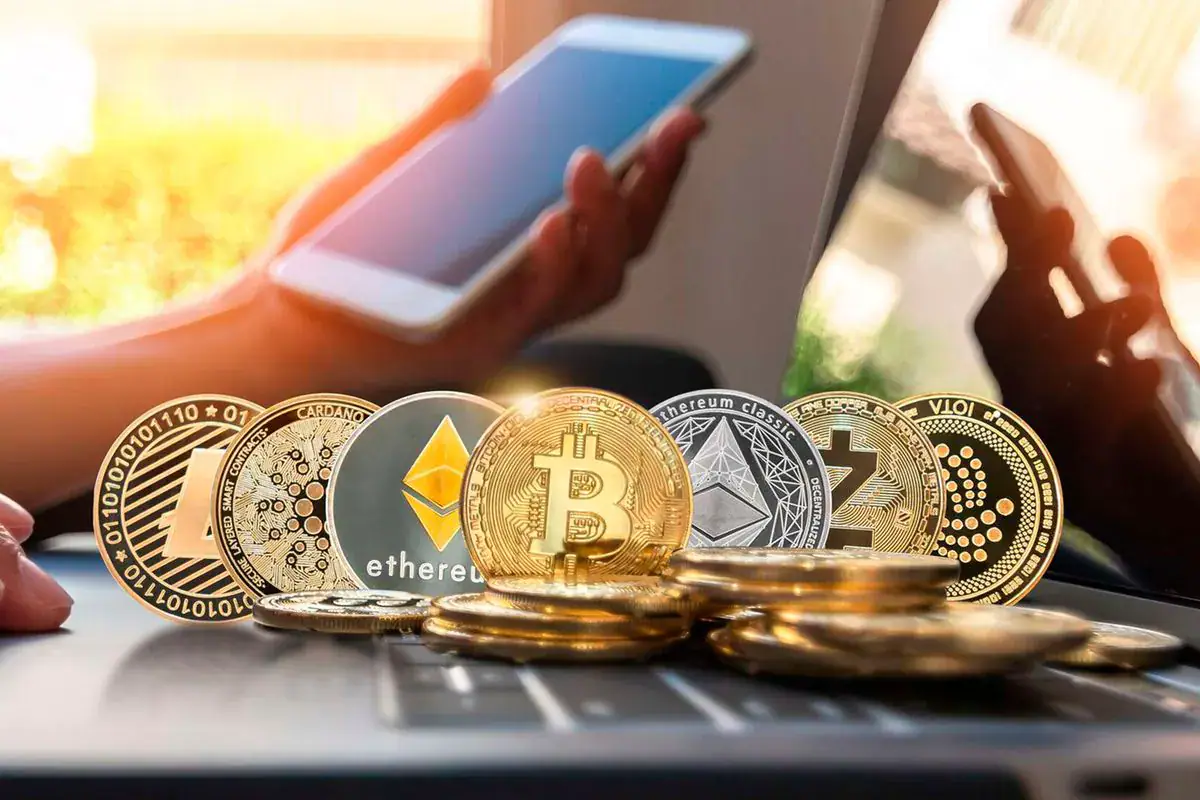
Kenyans have increasingly turned to cryptocurrencies for everyday finance, including cross-border payments and investments, with the value of transactions surging to a record Sh740 billion ($5.7 billion) in the year to June. This represents a 38 percent increase from Sh505 billion ($3.89 billion) in the previous year, according to Chainalysis, a global crypto analytics firm. The growth in cryptocurrency transactions points to the increasing significance of digital currencies as a vehicle for remittances and foreign trade transactions.
The surge in cryptocurrency transactions in Kenya has led to the country overtaking Ethiopia as the continent's third-largest crypto economy after South Africa and Nigeria. Kenya's crypto economy was valued at Sh740 billion ($5.7 billion), while Ethiopia's declined by 8.0 percent to Sh480 billion ($3.7 billion) in the year to June. South Africa and Nigeria recorded Sh5.1 trillion ($39.3 billion) and Sh4.9 trillion ($38.1 billion), respectively, in crypto activity. The growth in Kenya's crypto market has been attributed to the government's move to regulate the sector.
The Kenyan government introduced a legal framework for licensing and regulating cryptocurrency exchanges, stablecoin issuers, and other virtual asset service providers in October 2025. The law designated the Central Bank of Kenya (CBK) and the Capital Markets Authority (CMA) as the regulators responsible for licensing and supervising firms in the sector. The Treasury subsequently developed implementing regulations, which came into force on July 22, 2026. The regulations set out requirements for firms seeking to operate in the sector, including licensing, consumer protection, disclosure, and risk management obligations.
Experts attribute the growth in Kenya's crypto market to the government's move to regulate the sector, which has increased institutional confidence and filtered out bad actors. Allan Kakai, founding director of the Virtual Assets Chamber of Commerce (VACC), argues that regulation has built trust and opened the market to blue-chip institutional players. Kakai notes that the clear direction of travel told financial institutions that this sector is becoming legitimate, supervised, and investable.
Kenyans use cryptocurrencies, particularly stablecoins, mainly to pay for goods and services, across borders, send remittances, and hedge against depreciation of the shilling. Stablecoins are digital currencies whose value is pegged to relatively stable assets, such as the US dollar, making them less susceptible to price volatility associated with cryptocurrencies such as bitcoin. Unlike other leading crypto markets in Africa, Kenya's crypto activity is dominated by stablecoins, with bitcoin accounting for just 2.0 percent of transactions.
The growing use of stablecoins in Kenya has made it attractive to multinationals doing business across multiple countries on the continent. Internet service provider Starlink, owned by tycoon Elon Musk, has converted payments made in Kenyan shillings into stablecoins and repatriated them to the US, where the cryptos are then converted into dollars. Stablecoins have also become attractive to traders, offering a faster and cheaper way to send international payments.
The use of stablecoins is also reflected in regional trends, with the value of stablecoins received through peer-to-peer channels across sub-Saharan Africa increasing more than six-fold between 2022 and 2026, from $2.3 billion to $14.6 billion. Personal wallets accounted for 32.3 percent of the value received across the region during the latest reporting period, with cross-border peer-to-peer transfers accounting for the bulk of this activity.
Key points
- Kenyans wired a record Sh740 billion ($5.7 billion) worth of cryptocurrencies in the year to June.
- The surge in cryptocurrency transactions in Kenya has led to the country overtaking Ethiopia as the continent's third-largest crypto economy.
- The growing use of stablecoins in Kenya has made it attractive to multinationals and traders, offering a faster and cheaper way to send international payments.