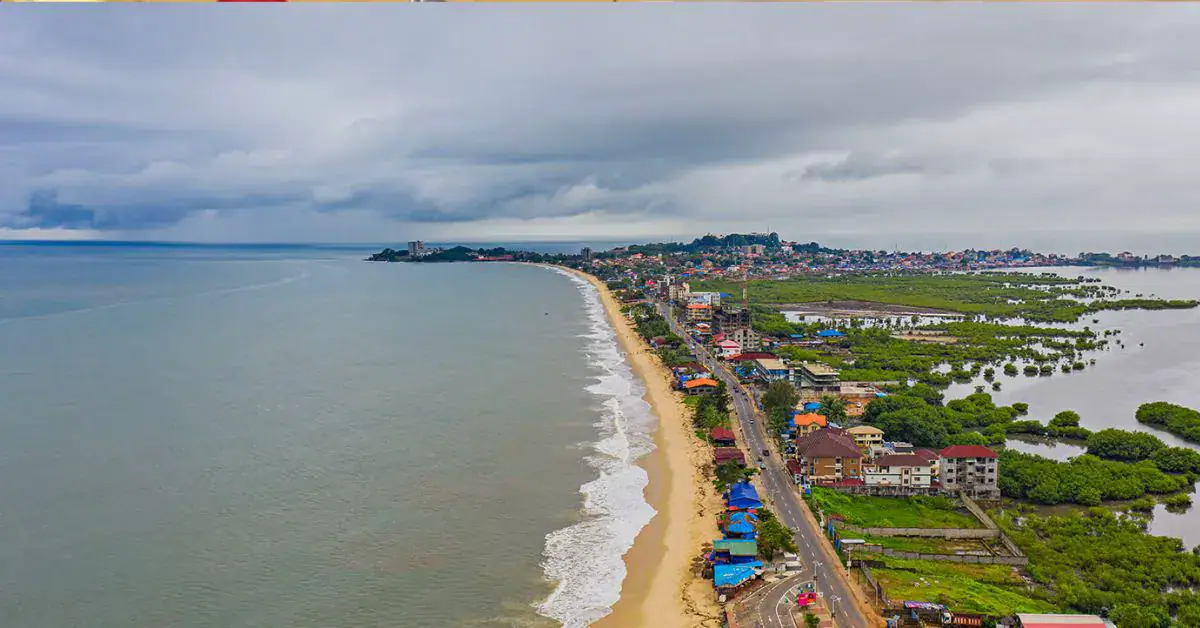
The Coastline Resilience Network (CRN) has urged the Sierra Leone government and private investors to prioritize environmental protection and community welfare in major infrastructure projects planned for the country's coastal areas. In a press release dated November 23, 2026, CRN welcomed the Sherbro Island City Project and proposed Banana Island Port and Railway projects highlighted at the West Africa Integration and Investment Summit. These investments could create jobs, attract capital, and contribute to national economic growth.
However, CRN cautioned that these opportunities should not come at the expense of the environment or the livelihoods of communities that depend on coastal resources. The organization acknowledged the government's efforts and those of Sherbro Alliance Partners, Gento Group, Dangote Industries, Afreximbank, and their partners in pursuing projects that could create significant economic opportunities for coastal communities. CRN commended their efforts but emphasized the need for sustainable development.
CRN pointed to growing threats facing Sierra Leone's coastline, including rising sea levels, flooding, and coastal erosion, which must be considered in the planning and implementation of new infrastructure. Communities in Bonthe, Dublin, Ricket, Kent, and surrounding areas have depended on the ocean and coastal ecosystems for generations, making the protection of these natural resources essential to their livelihoods.
The organization called on project developers and government authorities to safeguard mangroves, wetlands, fishing grounds, and marine biodiversity. They also urged them to conduct comprehensive environmental and social impact assessments before proceeding with the developments. The findings of these assessments should be made accessible to affected communities, with residents given meaningful opportunities to participate in decisions concerning their land, livelihoods, and future.
CRN emphasized that residents should have access to employment opportunities, vocational training, and support for local businesses. They also called for fair compensation and measures to restore the livelihoods of households affected by the projects. Additionally, CRN urged investors and government authorities to incorporate climate-resilient infrastructure and improvements in healthcare, education, sanitation, and access to safe drinking water into project planning.
The organization stressed that environmental and social commitments should be included in the projects' financing and implementation arrangements, with effective monitoring and accountability mechanisms to ensure compliance. The success of the investments should not be measured solely by their economic contributions but also by the improvements they bring to the living conditions of communities hosting the developments.
CRN reaffirmed its willingness to work with government institutions, investors, development partners, and local communities to promote responsible investment and sustainable coastal development. The organization believes that Sierra Leone can pursue economic growth while protecting its coastal environment and ensuring that communities do not lose the natural resources and livelihoods on which they depend.
Key points
- Environmental protection and community welfare must be prioritized in Sierra Leone's coastal infrastructure projects.
- Comprehensive environmental and social impact assessments are necessary before proceeding with developments.
- Local communities should have access to employment opportunities, vocational training, and support for local businesses.