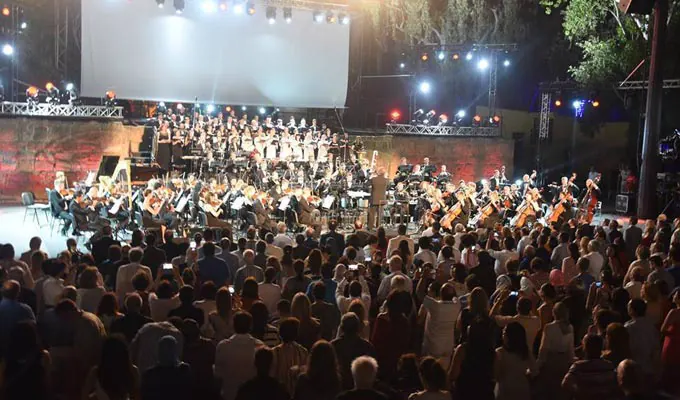
The summer festivals in Tunisia, particularly the International Festival of Carthage and the Hammamet Festival, have come under scrutiny for their programming and focus. Critics argue that these events have deviated from their original mission of promoting cultural creation and artistic innovation. Instead, they have become platforms for popular entertainment, with a repetitive lineup of well-known artists from the Arab world.
The criticism was voiced by Mokhtar Rassaa, a former director of the International Festival of Carthage and the Medina of Tunis Festival, who expressed his concerns on the radio station Mosaïque FM. He noted that the festivals have become too commercialized, with a focus on attracting large crowds rather than showcasing innovative and experimental art. This shift in focus has led to a decline in the representation of theater, cinema, and traditional popular art forms.
Mohamed Ali Daouas, a former governor of the Central Bank of Tunisia, also weighed in on the debate, questioning the predominance of Oriental music and dance performances at the festivals. He argued that the events should prioritize encouraging cultural creation and innovation, rather than simply providing entertainment. Daouas suggested that the festivals have become too focused on attracting large crowds and generating revenue.
The Hammamet Festival, which was initially conceived as a festival of art and experimentation, has also been criticized for following a similar path to the Carthage Festival. The festival's small venue, with a capacity of around 1,000, has been replaced by larger events that prioritize entertainment over cultural innovation. This shift has led to concerns about the role of the festivals in promoting Tunisian culture and artistic expression.
The debate about the summer festivals has sparked a wider discussion about the cultural and artistic landscape in Tunisia. Some have pointed to the financial difficulties and logistical challenges faced by the festivals, while others have emphasized the need for a more nuanced approach to programming and artistic innovation. The discussion has also highlighted the tension between catering to popular tastes and promoting more experimental and innovative art forms.
The role of the public in shaping the festivals' programming has also been raised, with some arguing that the events should reflect the tastes and preferences of the audience. However, others have suggested that this approach can lead to a homogenization of cultural offerings and a neglect of more innovative and experimental art forms. The debate is set to continue, with many calling for a rethink of the festivals' approach to programming and artistic innovation.
As the summer festivals continue to evolve, it remains to be seen how they will balance the competing demands of entertainment and cultural innovation. With the next edition of the festivals still months away, there is an opportunity for reflection and rethinking of the events' role in promoting Tunisian culture and artistic expression. Ultimately, the debate about the summer festivals serves as a reminder of the complex and multifaceted nature of cultural programming in Tunisia.
Key points
- The summer festivals in Tunisia have been criticized for prioritizing entertainment over cultural innovation and artistic expression.
- The debate about the festivals has highlighted the tension between catering to popular tastes and promoting more experimental and innovative art forms.
- The role of the public in shaping the festivals' programming has also been raised, with some arguing that the events should reflect the tastes and preferences of the audience.