The Moroccan political scene has recently witnessed a worrying trend of aggressive rhetoric and misinformation. This shift towards personal attacks and unfounded accusations has raised concerns among observers and citizens alike. The use of inflammatory language and misinformation can have serious consequences, damaging the reputation of individuals and institutions.
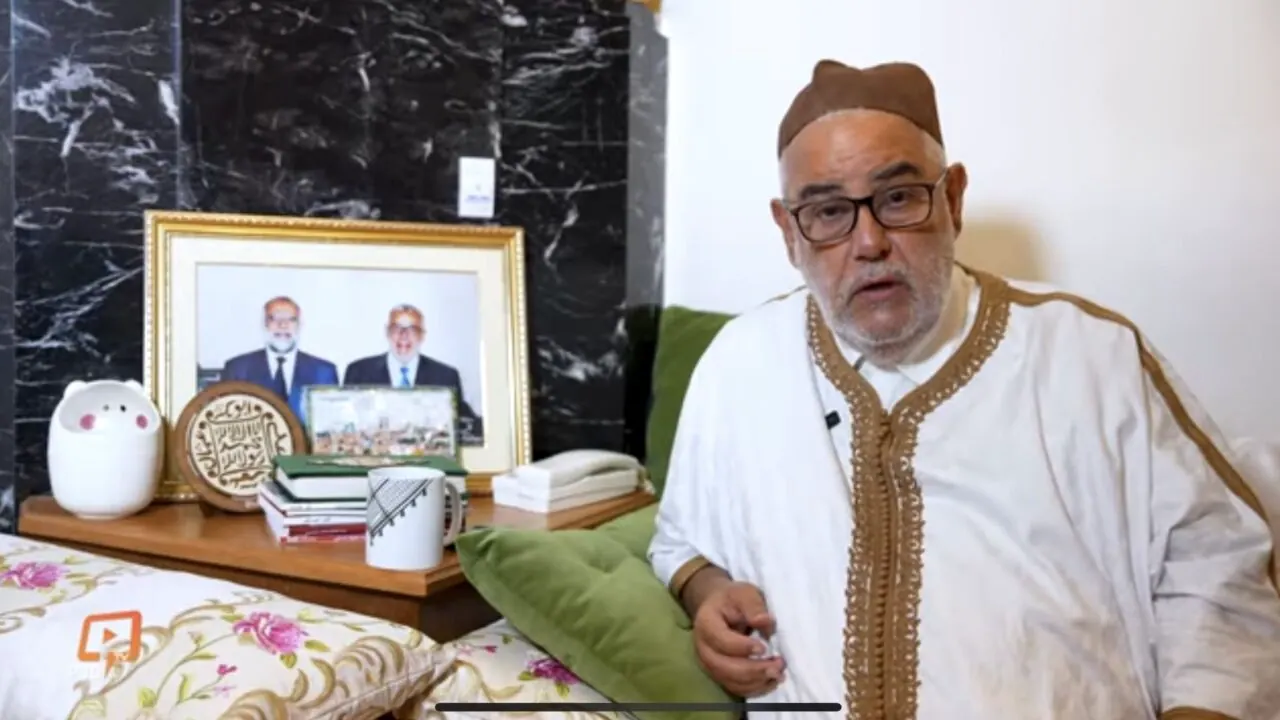
Abdelilah Benkirane, the general secretary of the Justice and Development Party, has been at the center of this controversy. His recent statements have been criticized for crossing the line from legitimate political debate to personal attacks and misinformation. Critics argue that such rhetoric can create a toxic political environment, undermining constructive dialogue and the democratic process.
The use of unfounded accusations and misinformation can have serious consequences, including damaging the reputation of individuals and institutions. It can also create a culture of mistrust and hostility, making it difficult to engage in constructive dialogue and find common ground. Furthermore, such rhetoric can be exploited by external actors to undermine the country's stability and unity.
The historical context of Morocco's struggle for independence and its complex relationships with neighboring countries adds to the sensitivity of the issue. The use of unfounded accusations and misinformation can be seen as a threat to national unity and stability. It is essential for political leaders to exercise caution and responsibility in their rhetoric, avoiding language that can be exploited by external actors or used to incite violence.
The Moroccan public is increasingly concerned about the impact of such rhetoric on the country's stability and unity. Many citizens are calling for a return to constructive dialogue and respectful debate, focusing on the country's pressing economic and social challenges. The need for a more civil and respectful tone in politics has become increasingly apparent.
The consequences of such rhetoric can be far-reaching, affecting not only the individuals targeted but also the broader political landscape. It can create a climate of fear and intimidation, discouraging citizens from engaging in the political process. Moreover, it can undermine trust in institutions and the democratic process as a whole.
In conclusion, the use of unfounded accusations and misinformation in Moroccan politics raises serious concerns. It is essential for political leaders to exercise responsibility and caution in their rhetoric, promoting constructive dialogue and respectful debate. The country's stability and unity depend on it.
Key points
- The use of unfounded accusations and misinformation in Moroccan politics can have serious consequences, damaging the reputation of individuals and institutions.
- The historical context of Morocco's struggle for independence and its complex relationships with neighboring countries adds to the sensitivity of the issue.
- The Moroccan public is increasingly concerned about the impact of such rhetoric on the country's stability and unity.