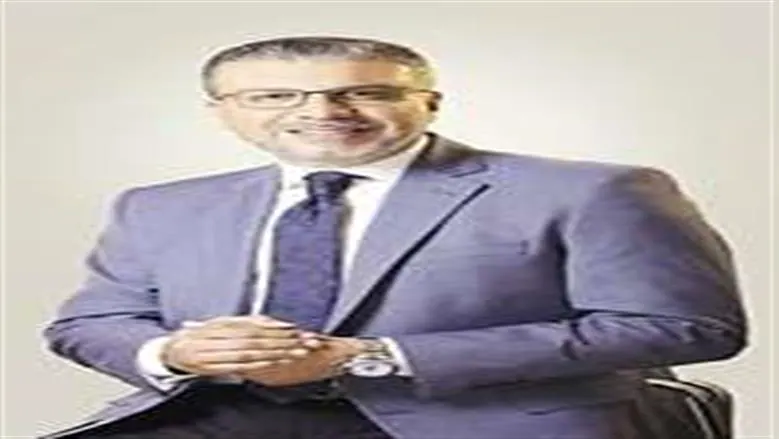
Egyptian journalist Amr El-Lithi has spoken out about the current state of film censorship in Egypt, arguing that it is ineffective and misguided. He believes that the focus on deleting specific scenes or words is insufficient, as it does not address the broader impact of a film's content on society. El-Lithi thinks that the goal of censorship should be to promote high-quality content that respects the audience's intelligence and values.
El-Lithi argues that a film can be technically compliant with censorship regulations yet still have a negative impact on viewers, particularly children and young people. He cites examples of films that may not contain any objectionable scenes or language but still promote negative values such as violence, bullying, or superficiality. In his view, this type of content can be more damaging than a single deleted scene, as it can shape viewers' perceptions and behaviors over time.
The journalist believes that the solution lies not in expanding censorship but in promoting high-quality content and supporting good writing and script development. He suggests that filmmakers should be encouraged to produce works that are respectful, thoughtful, and engaging, rather than simply trying to avoid censorship. El-Lithi also advocates for age classification and professional film criticism that evaluates a film's content and impact.
El-Lithi emphasizes that he is not calling for censorship of ideas or artistic expression but rather for a more nuanced approach that considers the broader social implications of film content. He believes that filmmakers should be free to create works that challenge and engage their audiences, but also that they should be responsible and respectful in their portrayal of sensitive topics.
To achieve this goal, El-Lithi suggests that film producers, platforms, and channels should take responsibility for the content they produce and distribute. He argues that the pursuit of popularity and profit should not be the only considerations, and that quality and impact should be valued alongside ratings and box office success.
El-Lithi also calls for greater support for filmmakers who produce high-quality, responsible content. He believes that such works should be promoted and recognized through awards and other forms of support, rather than simply being ignored or overlooked in favor of more popular but less substantial films.
Ultimately, El-Lithi argues that the goal of film censorship should be to promote a culture of respect, responsibility, and critical thinking, rather than simply to delete scenes or words. He believes that by supporting high-quality content and promoting a more nuanced approach to censorship, Egypt can foster a more vibrant and engaging film industry that respects its audience and contributes to the country's cultural and social development.
Key points
- The current approach to film censorship in Egypt focuses too much on deleting specific scenes or words, rather than considering the overall impact of a film's content on society.