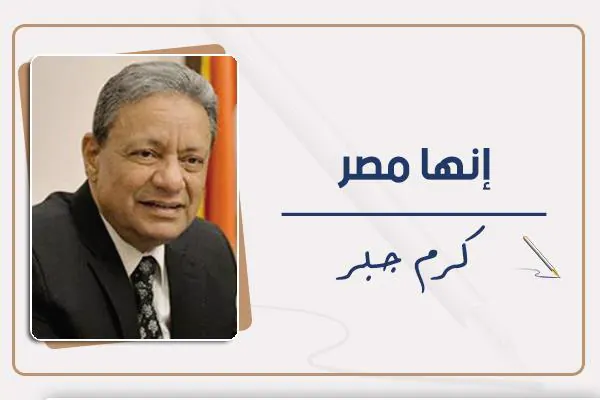
A controversial fatwa issued by an Egyptian cleric, Karm Gaber, has ignited a firestorm of criticism in Egypt. The fatwa, which was widely circulated online, stated that a man is entitled to take a second wife even if his first wife is extremely devoted and supportive. The cleric argued that this is not a form of betrayal or injustice, sparking concerns about the portrayal of women in such edicts.
Critics argue that such fatwas reflect a broader societal problem in Egypt, where some conservative interpretations of Islam perpetuate a culture of misogyny and undermine women's rights. Rather than focusing on building stable families and promoting mutual respect, some clerics are accused of perpetuating outdated and discriminatory views of women.
The controversy highlights the complexities of navigating Islamic law and social reality in Egypt. While some argue that such fatwas are a legitimate interpretation of Islamic teachings, others see them as a reflection of a broader cultural problem that restricts women's agency and freedoms.
Many Egyptians are calling for a more nuanced and inclusive approach to Islamic scholarship, one that takes into account the diverse experiences and perspectives of women and men in Egyptian society. They argue that such an approach would promote greater social cohesion and stability, rather than perpetuating divisive and discriminatory rhetoric.
The Egyptian family is facing numerous challenges, including economic hardship, social inequality, and domestic violence. Critics argue that rather than addressing these pressing issues, some clerics are focusing on peripheral concerns that further complicate the lives of Egyptian women and men.
The debate over the fatwa has also raised questions about the role of women in Egyptian society and the nature of marriage. While some argue that women's rights and freedoms are essential to building stable and prosperous families, others see such views as a threat to traditional values and social norms.
Ultimately, the controversy over the fatwa serves as a reminder of the need for ongoing dialogue and debate about the role of women in Egyptian society and the nature of Islamic law. By engaging with these complex issues in a nuanced and inclusive way, Egyptians can work towards building a more just and equitable society for all.
Key points
- The fatwa has sparked widespread criticism for its views on women's roles in marriage.
- Critics argue that such fatwas reflect a broader societal problem in Egypt, where some conservative interpretations of Islam perpetuate a culture of misogyny and undermine women's rights.
- Many Egyptians are calling for a more nuanced and inclusive approach to Islamic scholarship, one that takes into account the diverse experiences and perspectives of women and men in Egyptian society.