The prefecture of Mali in Guinea has been grappling with a significant lack of essential infrastructure for decades. Citizens face considerable challenges in accessing basic services such as banking, fuel, and healthcare. The area's societal and economic development is severely impacted by these shortages, which have been a persistent issue for 30 years.
Oumar Sadio Souaré, president of the prefectural civil society of Mali, has expressed deep concerns over the situation. In an interview, he highlighted that there are no banks in Mali, forcing citizens to travel to Labé for banking operations. This has resulted in some individuals using unconventional methods to transfer money, such as sending it via cartons. Souaré emphasized the urgent need for a bank in Mali to alleviate the difficulties faced by residents.
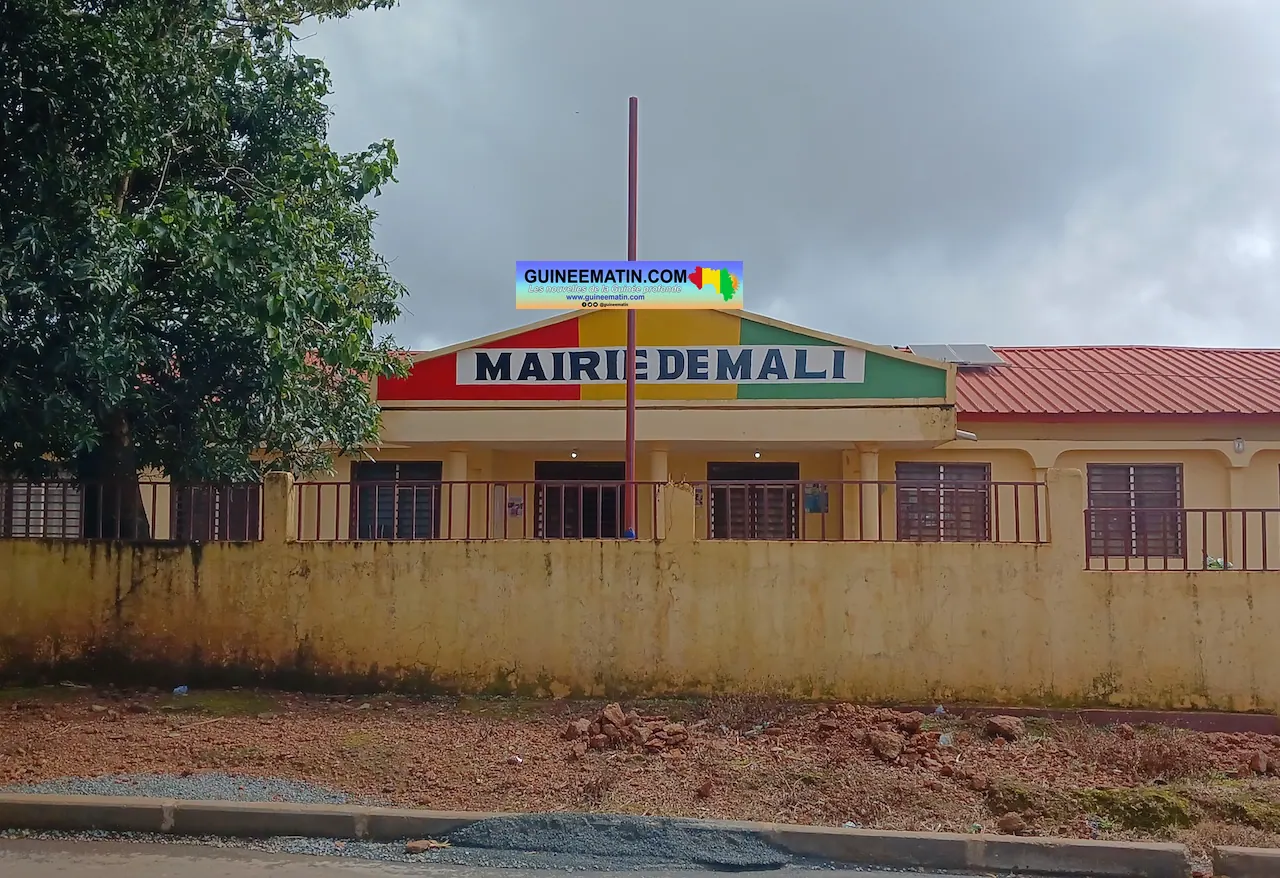
The absence of adequate administrative infrastructure is another pressing issue in Mali. Souaré noted that for over 17 years, none of the prefects who have served in Mali have had a residence. The lack of a dedicated facility for the prefect has caused significant inconvenience, with some prefects being housed in notable homes or at the camp. Furthermore, the area lacks a functional "maison du peuple" (people's house) for hosting guests, which has been non-operational for over 20 years.
The fuel supply in Mali is also severely limited, with only one gas station serving 14 sub-prefectures. This has led to difficulties for citizens living in remote areas who need to transport fuel. The lack of a water tank for firefighters in Mali-centre further exacerbates the risk of uncontrolled fires. Souaré's account paints a concerning picture of the living conditions in Mali, underscoring the need for immediate intervention.
In addition to these challenges, the youth in Mali face a shortage of suitable sports infrastructure. The state of some educational institutions is also a cause for concern. For example, the primary school in Mali 1, the oldest school in the prefecture, was slated for renovation but was left unfinished. Thieves have stolen parts of the school's fence, leaving it vulnerable.
The condition of the roads in Mali is another issue that requires attention. A project to bitumen 17 kilometers of road in the urban commune of Mali is underway but has faced significant delays. The project's timeline, initially set at 18 months, has now stretched to nearly three years, with only a fraction of the work completed. Questions have been raised about the technical aspects of the project, including the road's width and surface quality.
Oumar Sadio Souaré has called on the authorities to address these pressing concerns. The civil society leader hopes that swift action will be taken to alleviate the hardships faced by the people of Mali. The situation in Mali highlights the need for coordinated efforts to develop essential infrastructure and improve living conditions in the region.
Key points
- The prefecture of Mali has not had a bank in 30 years, forcing citizens to travel to Labé for banking operations.
- The area faces significant infrastructure shortages, including inadequate administrative buildings, limited access to fuel, and a lack of sports facilities.
- A road bitumen project in Mali has faced delays and technical concerns, stretching from 18 months to nearly three years with little completion.