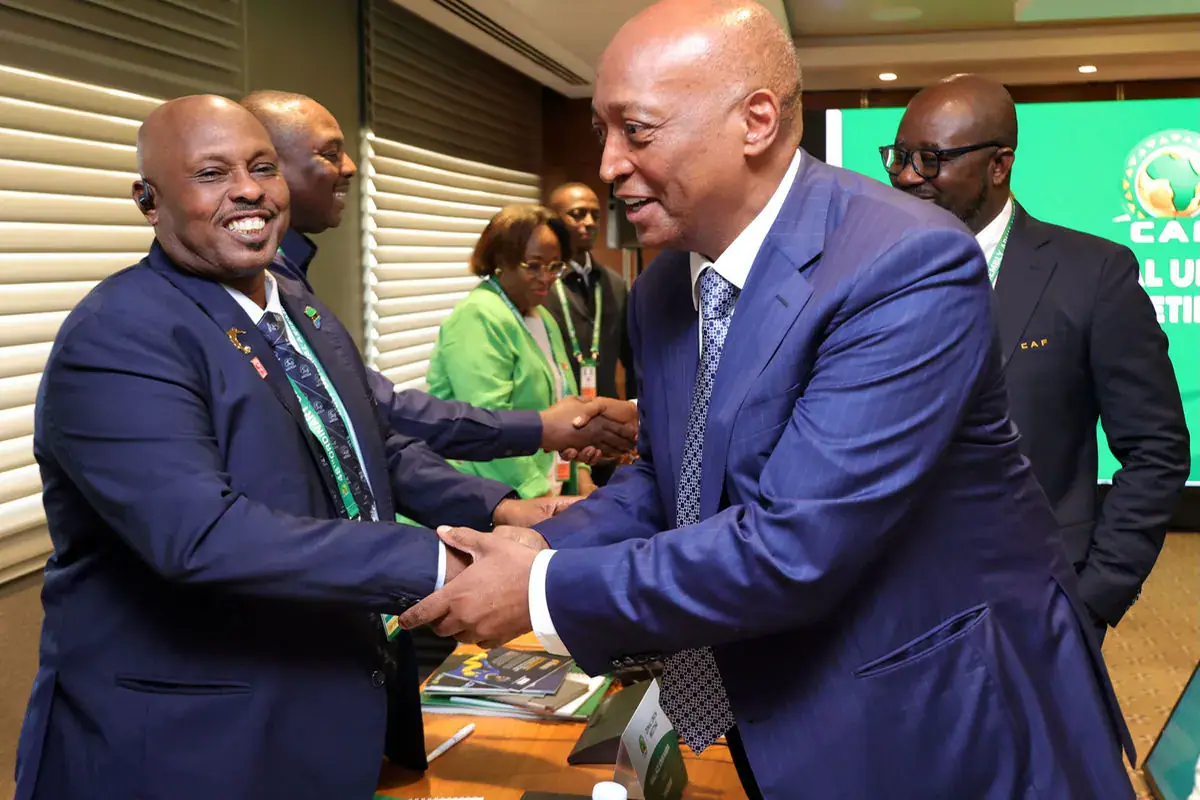
The Confederation of African Football (CAF) has officially recognised Kiswahili as one of its five official languages, marking a significant milestone in the language's international recognition. This development was announced by CAF President Patrice Motsepe at the 48th CAF Ordinary General Assembly in Abuja, Nigeria, on November 21, 2026. The decision was made after delegates overwhelmingly supported amendments to CAF's statutes to accommodate Kiswahili.
The approval of Kiswahili as an official language of CAF is a major achievement for Tanzania, which has been at the forefront of efforts to promote the language internationally. The country's government has been actively involved in the campaign to secure official language status for Kiswahili at CAF, with Permanent Secretary in the Ministry of Information, Culture, Arts and Sports and Government Spokesperson Gerson Msigwa representing Tanzania at the assembly.
The recognition of Kiswahili by CAF is expected to give the language greater visibility on the international sporting stage, particularly as East Africa prepares to co-host the 2027 Africa Cup of Nations (AFCON) alongside Kenya and Uganda. With Kiswahili now recognised among CAF's official languages, the region gains another platform to showcase its linguistic and cultural identity while strengthening its presence in the administration and development of African football.
The decision to make Kiswahili an official language of CAF was made possible through the efforts of Tanzania, Kenya, and Uganda, which have been working together to promote the language's recognition within the continental football organisation. According to Msigwa, the initiative began three years ago, with the countries involved working together to push for the language's recognition.
The successful outcome is a reflection of sustained efforts and cooperation among the countries involved in advancing the status of Kiswahili. Msigwa expressed appreciation to President Samia Suluhu Hassan for endorsing Tanzania's involvement in the campaign to secure official language status for Kiswahili at CAF. The presence of the Tanzanian delegation at the assembly highlighted the country's commitment to the initiative.
The recognition of Kiswahili by CAF represents more than a change to the organisation's statutes; it is recognition of the growing importance of Kiswahili as a language of communication, identity, and continental integration. With millions of people across Africa and beyond speaking Kiswahili, its adoption as an official language is expected to have a significant impact on the language's international recognition and influence.
The approval of Kiswahili as an official language of CAF also strengthens the position of the language in African football administration. Its adoption means Kiswahili will now be incorporated into CAF's official communication and activities, including meetings, conferences, and other events organised by the continental governing body. This development is a significant breakthrough for Kiswahili within African football's administrative structure.
Key points
- CAF has recognised Kiswahili as one of its five official languages, alongside English, French, Arabic, and Portuguese.
- The recognition is expected to give Kiswahili greater visibility on the international sporting stage, particularly as East Africa prepares to co-host the 2027 Africa Cup of Nations.
- The successful outcome is a reflection of sustained efforts and cooperation among Tanzania, Kenya, and Uganda in advancing the status of Kiswahili.