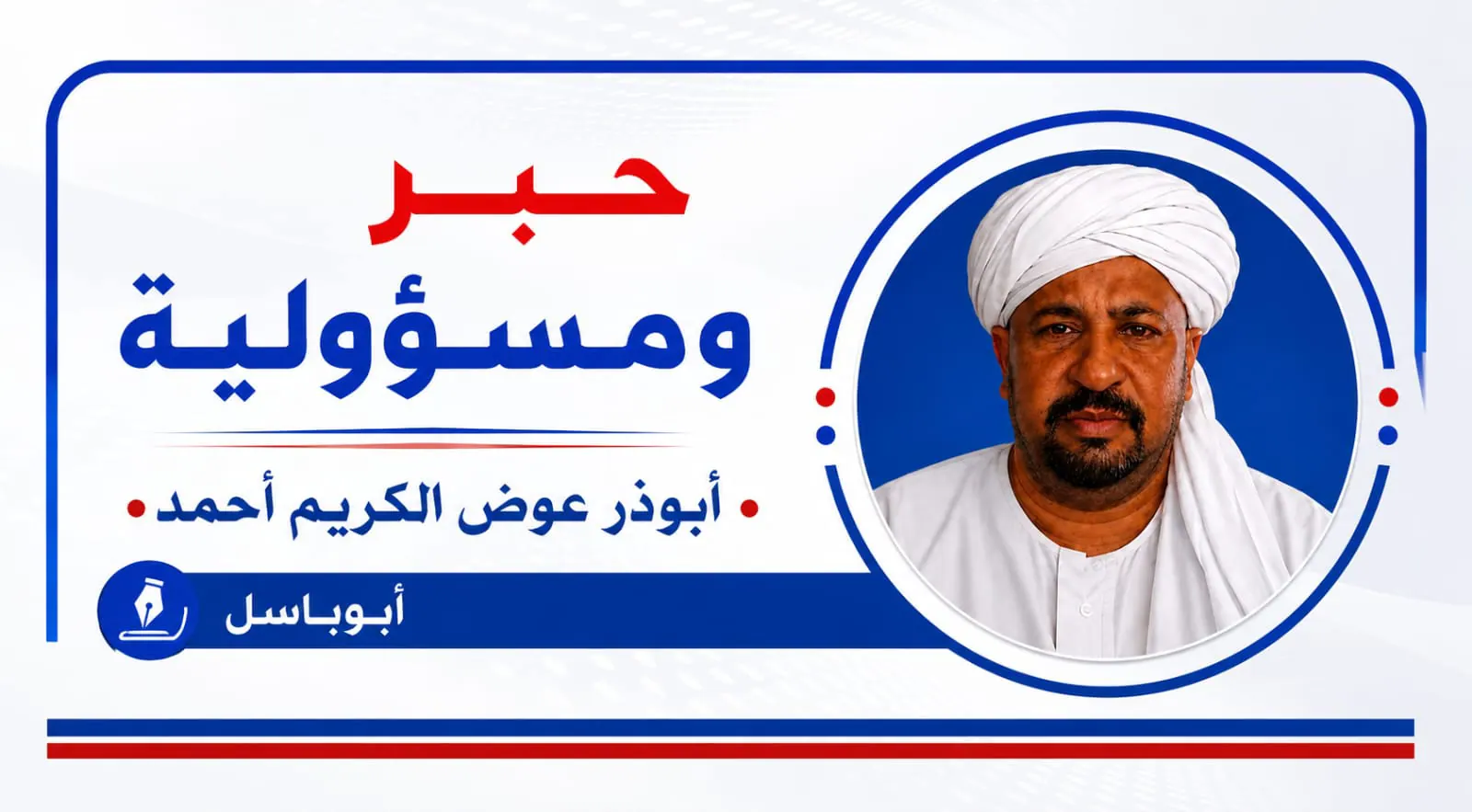
Criticisms have emerged in Sudan over international interference in the country's politics. A recent article by Masoud Paulos has sparked debate, with many questioning the role of foreign powers in shaping Sudan's future. Paulos' comments were perceived as suggesting that Washington does not recognize the current government and sees no political future for key figures, including General Abdel Fattah al-Burhan and General Mohamed Hamdan.
The article has sparked concerns that foreign powers are attempting to dictate Sudan's political trajectory. Many Sudanese citizens are questioning who should decide the country's future - the people of Sudan or external actors. The issue has become increasingly contentious, with some arguing that Sudan is being treated like a file to be managed by international powers rather than a nation with its own agency.
The US position on Sudan's politics has been clarified, with Washington stating that it does not recognize a parallel government and is committed to a civilian-led transition. However, some argue that this stance is at odds with comments suggesting that certain individuals have no place in Sudan's future. This perceived contradiction has fueled concerns about external interference in Sudan's internal affairs.
The debate highlights the complexities of Sudan's transition to democracy. The country has been embroiled in conflict, and the need for a peaceful resolution is widely acknowledged. However, many Sudanese citizens are insisting that the country's future should be determined by its people, not external actors.
Egypt has weighed in on the issue, reaffirming its commitment to Sudan's unity, sovereignty, and territorial integrity. The Egyptian statement underscores the importance of respecting Sudan's national institutions and allowing its people to determine their own future.
The issue has sparked a wider conversation about the role of international mediators in Sudan's peace process. While many acknowledge the need for external support, there are concerns that international actors may be overstepping their bounds. Sudanese citizens are calling for a more nuanced approach, one that supports their country's transition to democracy without imposing external solutions.
Ultimately, the debate in Sudan highlights the need for a clear understanding of the country's political trajectory. As international actors continue to engage with Sudan, many are insisting that the country's future should be determined by its people, not external powers. The conversation is set to continue, with Sudan's future hanging in the balance.
Key points
- Sudan's people should determine their own future, not external actors.