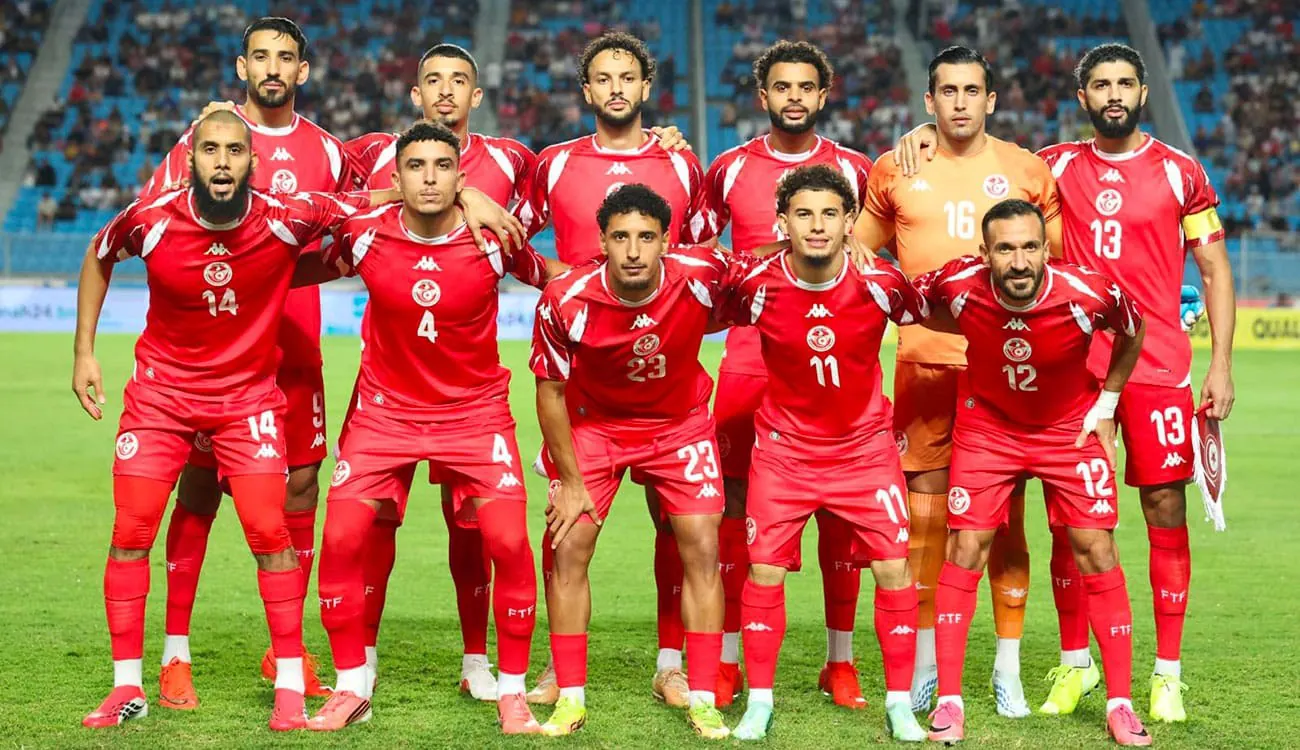
The recent performance of Tunisia's national football team has sparked widespread criticism, with many calling for an overhaul of the sport's management and governance. The team's poor showing has been attributed to a combination of factors, including inadequate infrastructure, outdated facilities, and a lack of constructive criticism. According to Kamel GHATTAS, writing in La Presse de Tunisie, the team's struggles are a symptom of a broader malaise affecting the sport as a whole. The article highlights the need for a more nuanced approach to evaluating the team's performance.
The state of Tunisian football infrastructure has been cited as a major concern, with only one stadium officially approved for continental and international competitions. The country's football fields and facilities are in a worrying state, and the public's behavior at matches has been criticized for being unruly and chauvinistic. In contrast, other sports such as volleyball have enjoyed significant success, both at the Mediterranean and continental levels. This has raised questions about the relative importance and investment in football compared to other sports.
The management and governance of Tunisian football have also come under scrutiny, with many questioning the allocation of resources and the effectiveness of the sport's governing bodies. The practice of paying large sums of money to individuals for unclear services has been criticized, as has the emphasis on identifying new talent rather than developing existing players. According to GHATTAS, this approach has led to a culture of mediocrity and a lack of accountability within the sport.
The article suggests that Tunisian football has lost its former glory since becoming pseudo-professional, with a focus on shortcuts and quick fixes rather than long-term development. The author argues that the sport has become overly reliant on a few talented individuals rather than building a strong team ethos. This approach has led to a culture of dependency on a few star players rather than developing a well-rounded team.
The impact of Tunisian football's struggles on the country's sporting reputation has also been highlighted. The article notes that other sports, such as swimming and taekwondo, have achieved significant success despite limited resources. In contrast, football's poor performance has led to a disproportionate amount of attention and criticism, with many calling for radical changes to the sport's management and governance.
The role of the media and public opinion in shaping the narrative around Tunisian football has also been examined. The article suggests that the sport has become a form of "opium for the people," with many fans and commentators more interested in criticizing and blaming individuals rather than offering constructive feedback. This approach has created a toxic environment that prioritizes blame and recrimination over positive change.
Ultimately, the article concludes that Tunisian football needs to take a long, hard look at its values, priorities, and approach if it is to regain its former glory. This will require a fundamental shift in the sport's culture, governance, and management, as well as a renewed focus on developing young players and building a strong team ethos. Until then, the sport is likely to continue struggling, both on and off the pitch.
Key points
- Tunisian football faces criticism for poor performance and management
- Infrastructure and governance are major concerns
- The sport needs a cultural shift to regain its former glory