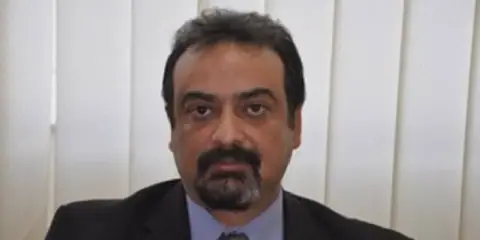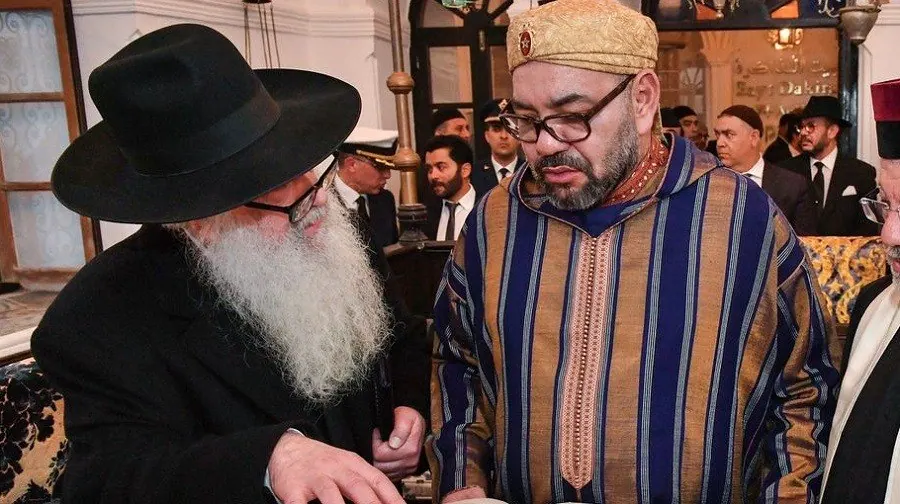
In Morocco, warnings are being issued about an increasing divide between the government and the public. This comes as the country hosts elements of the Israeli military and holds an arms exhibition. Various Moroccan organizations assert that the path of normalization is generating significant political and social repercussions. The Moroccan Observatory Against Normalization and human rights activist Ahmed Weyhman have expressed concerns about the agreements made in the context of normalization.
Weyhman described the signing of these agreements as a "major political and historical mistake." He called for the abolition of normalization and for saving the country from "ruin." According to Weyhman, there is growing public rejection of this path, despite what he termed as the ongoing repression of popular marches and the prosecution of anti-normalization activists.
The risks associated with these agreements, Weyhman argued, go beyond their content to include symbolic, psychological, and political impacts. He stated that their signing demolished a psychological barrier that had existed within Moroccan public consciousness. This, he claimed, has opened the door to the progression of relations with Israel from secrecy and limited contacts to publicity and institutionalization, and then to gradual normalization.
The educational sector in Morocco has also come under scrutiny. A committee opposed to educational normalization and studies warned about what it described as Israeli infiltration into this sensitive sector. The committee emphasized that Moroccan schools should remain spaces for instilling values of solidarity, freedom, dignity, justice, and human rights.
The committee expressed its refusal to allow education to become a "bridge for normalization." This stance is taken as Moroccan schools face destruction and Palestinian children are denied their right to education. The committee also cautioned against plans for Israeli infiltration in this field and called for monitoring and opposing various forms of educational, cultural, and academic normalization.
These developments reflect broader concerns within Moroccan society. Various groups are voicing their opposition to further normalization with Israel. The situation highlights tensions between the government's policies and public opinion. Critics argue that normalization could have far-reaching consequences for Morocco.
As Morocco navigates its relations with Israel, internal criticisms and public concerns continue to mount. The impact of these developments on future relations and domestic politics remains to be seen. The government's response to these criticisms and the evolving public stance on normalization will be crucial in determining the trajectory of Morocco's policies.
Key points
- Moroccan groups warn of growing rift between government and public over normalization with Israel.