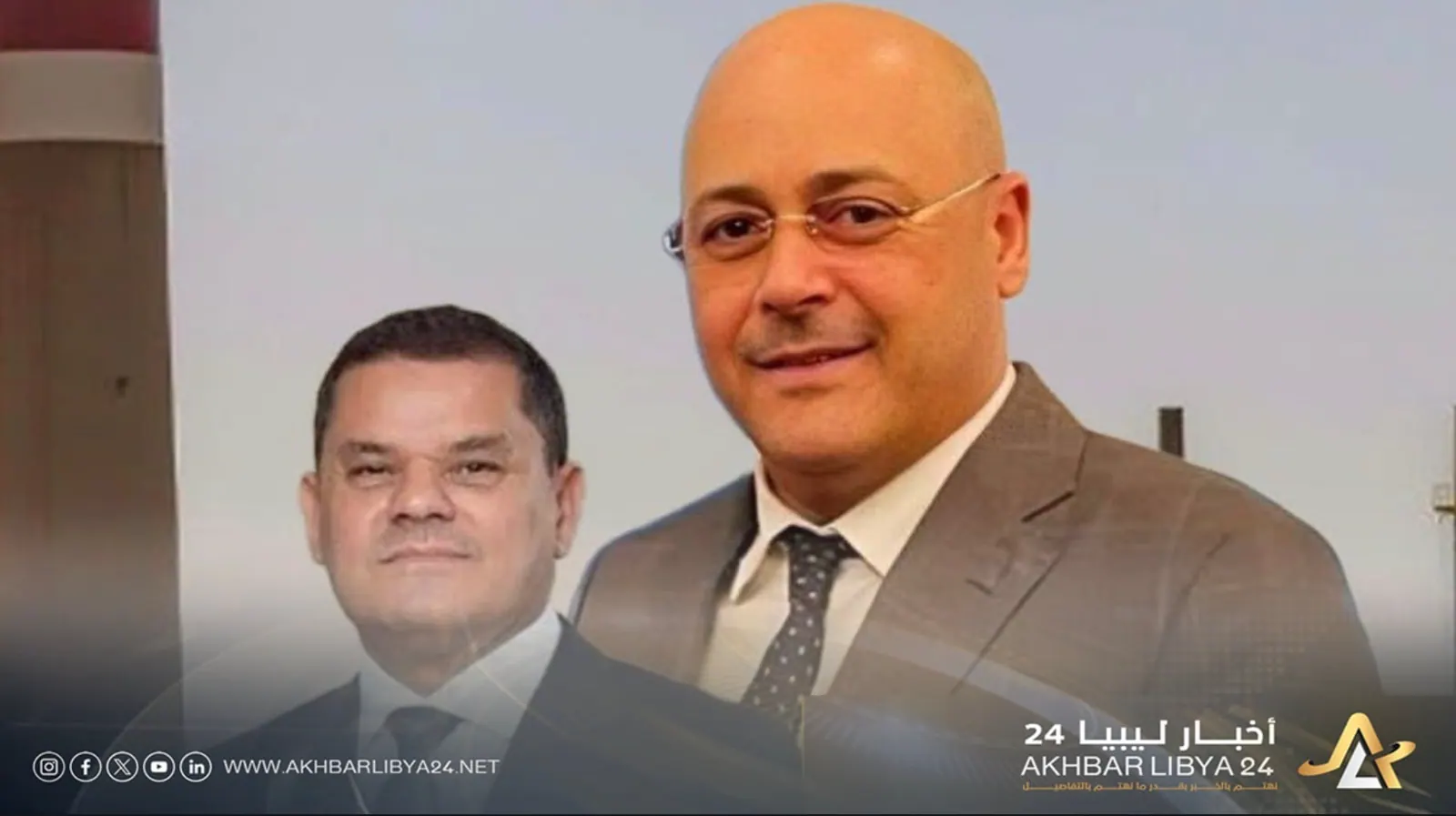
Libyan diplomat Adil Isa has expressed concerns over the silence of the Libyan government and State Council regarding the new leadership of the House of Representatives. In a post on Facebook, Isa questioned the stance of the government of Abdul Hamid Dbeiba and the State Council on the new leadership, citing the recognition by the UN mission and the US embassy. He asked why the government and State Council have remained silent on the matter.
Isa also drew a comparison between the political practices in Libya and some international experiences, highlighting the resignation of the Swiss president due to loss of passion for work. He noted that the Libyan scene presents a different picture, where accumulated crises, division, and difficult living conditions do not seem to be enough to prompt officials to leave their positions. Isa described the Libyan official's determination to stay in office as "stubborn."
The diplomat emphasized that acknowledging mistakes, recognizing failure, and resigning when necessary are not signs of weakness but rather rules of ethics and national values. He stressed that denying errors can become a danger to the state itself and that a country's progress is linked to its officials' ability to acknowledge and correct mistakes. Isa's statements come amid the ongoing political and institutional division in Libya.
Isa's comments have sparked debate in Libya, where citizens are bearing the brunt of the division and political deadlock. The country's transitional process and the future of existing institutions remain uncertain. The diplomat's call for officials to take responsibility and resign if necessary has resonated with many Libyans who are frustrated with the current situation.
The UN mission and the US embassy have recognized the new leadership of the House of Representatives, but the government and State Council have not made an official statement on the matter. Isa's criticism of their silence has raised questions about their stance and potential implications for the country's political process.
Libyans are facing numerous challenges, including economic, social, and living crises. The country's instability has become a major concern for the international community, with many urging a peaceful resolution to the conflict. Isa's statements have highlighted the need for Libyan officials to prioritize the country's interests and take responsibility for their actions.
The issue has sparked a national conversation about accountability and responsibility in Libya's politics. Many Libyans are calling for a change in the way the country is governed and for officials to be held accountable for their actions. The government's response to Isa's criticism and the implications for the country's future remain to be seen.
Key points
- Libyan diplomat Adil Isa criticizes the government's silence on the new parliament leadership.
- Isa calls for officials to take responsibility and resign if necessary.
- The issue has sparked a national conversation about accountability and responsibility in Libya's politics.