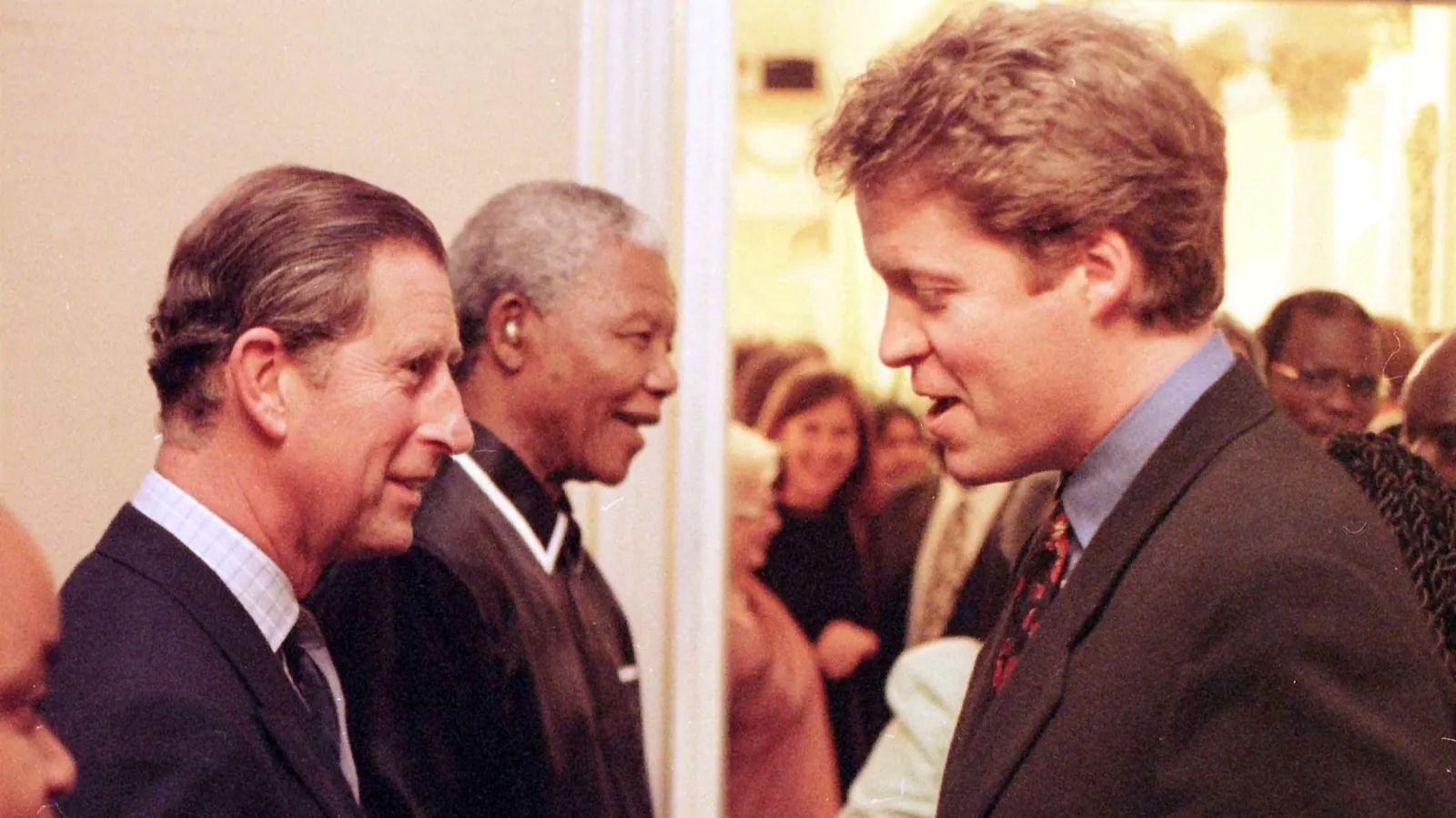
The UK media is abuzz with criticism of Charles Spencer's memoirs, which have sparked controversy over his claims about King Charles III's reaction to Princess Diana's death. In an article published in The Telegraph, Camilla Tomini expressed skepticism over Spencer's account, citing eyewitnesses who described the King's reaction as one of shock and grief. Tomini argued that Spencer's claims are not only unverifiable but also appear to be motivated by a desire for attention and publicity.
The Telegraph article also highlighted the reaction of King Charles III upon learning of Princess Diana's death. According to Tomini, Charles was visibly shaken and spent time alone with her body, emerging with tears in his eyes. This account contradicts Spencer's claim that the King was relieved by Diana's death. Tomini questioned the timing of Spencer's revelations, noting that they come nearly three decades after the event and may be intended to promote his book.
Meanwhile, in an article published in The Independent, Robert Fox analyzed the implications of Vladimir Putin's anticipated victory in the Russian parliamentary elections. Fox noted that while Putin's win is all but certain, his success in Ukraine is far from guaranteed. The article highlighted the challenges facing Putin, including a potentially costly and protracted conflict that could strain Russia's military and economy.
Fox also discussed the potential consequences of Putin's continued aggression in Ukraine. He noted that a prolonged conflict could lead to increased instability in Europe, citing recent incidents involving Russian drones and cyberattacks. The article also touched on the economic implications of the conflict, including the potential for Russia to face significant economic costs and isolation.
In a separate article, The Daily Mail reported on the benefits of prescribed exercise for heart patients. According to a study published in the journal, patients who engaged in regular exercise experienced a significant reduction in hospitalizations and cardiac events. The study's findings suggest that exercise can play a vital role in the recovery and rehabilitation of heart patients.
The study analyzed data from 107 trials involving over 26,000 participants with coronary artery disease. The results showed that exercise reduced the risk of cardiac events by 28% and hospitalizations by 35%. The study's authors noted that digital exercise programs can be just as effective as traditional in-person sessions, offering a convenient and accessible option for patients.
The research has significant implications for the treatment and management of heart disease. By incorporating exercise into treatment plans, healthcare providers may be able to reduce the risk of complications and improve patient outcomes. The study's findings also highlight the importance of promoting physical activity and exercise as a key component of heart health.
Key points
- Critics question the motivations behind Charles Spencer's memoirs and the timing of his claims about King Charles III's reaction to Princess Diana's death.
- Vladimir Putin's anticipated victory in the Russian parliamentary elections does not necessarily guarantee success in Ukraine, where the conflict remains protracted and costly.
- Prescribed exercise has been shown to significantly reduce hospitalizations and cardiac events in heart patients, offering a valuable tool in the treatment and management of heart disease.