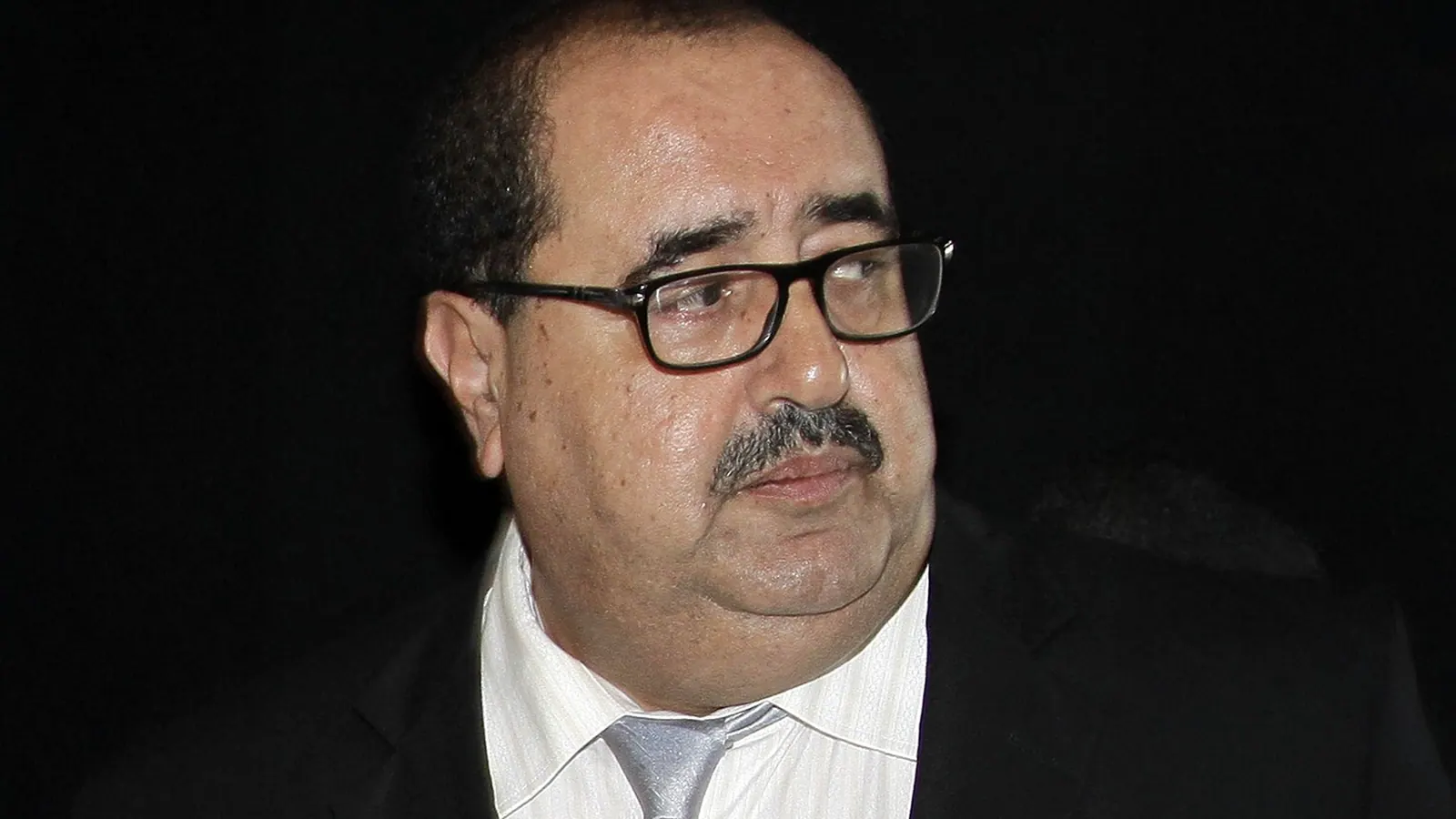
In a move sparking controversy, Idris Lashgar, first secretary of Morocco's Socialist Union of Popular Forces, has reportedly proposed his daughter, Khawla Lashgar, for a ministerial position in the newly formed government of Prime Minister Aziz Rabbah. According to sources close to Al-Massae, Lashgar made the suggestion during government consultations following the formation of the new cabinet. This is not the first time Lashgar has proposed his daughter for a high-ranking position.
Lashgar's proposal has raised eyebrows, with many questioning the criteria used to select candidates for government posts. The Socialist Union of Popular Forces is a historic party that has played a significant role in Moroccan politics. However, the party has faced criticism in recent years, particularly after poor electoral results. Lashgar's leadership has been under scrutiny, with some party members reportedly growing dissatisfied with his tenure.
Sources suggest that Lashgar has previously proposed his daughter for other high-profile positions, including ambassador and director of a public institution. His reported statement, "My daughter or no one," has sparked concerns that he is seeking to turn the party into a family fiefdom. This development has fueled criticism of Lashgar's leadership style and raised questions about the party's commitment to merit-based appointments.
The controversy surrounding Lashgar's proposal comes at a time when the Socialist Union of Popular Forces is facing significant challenges. The party must navigate complex organizational and political issues, including internal divisions and declining electoral performance. Some party leaders have reportedly begun to quietly mobilize against Lashgar, fearing that continued infighting could harm the party's prospects.
Observers are closely watching the situation, as the formation of the new government has been marked by intense negotiations and competition for cabinet posts. The involvement of family members in the selection process has raised concerns about the potential for cronyism and nepotism. Critics argue that such practices undermine the legitimacy and effectiveness of government institutions.
The Socialist Union of Popular Forces has traditionally been seen as a champion of social justice and democratic values in Morocco. However, the party's current struggles have led some to question its ability to adapt to changing circumstances and address the needs of its constituents. As the party navigates this challenging period, it must balance internal power dynamics with the need for effective governance.
The controversy surrounding Lashgar's proposal has sparked a wider debate about the role of family ties in Moroccan politics. As the country prepares for future elections, parties and politicians will face growing pressure to demonstrate their commitment to transparency, accountability, and merit-based appointments. The outcome of this situation will likely have significant implications for the future of the Socialist Union of Popular Forces and Moroccan politics more broadly.
Key points
- Moroccan socialist party leader Idris Lashgar proposes daughter for ministerial post
- Critics argue that Lashgar's proposal is an example of nepotism and cronyism
- The controversy has sparked a wider debate about the role of family ties in Moroccan politics