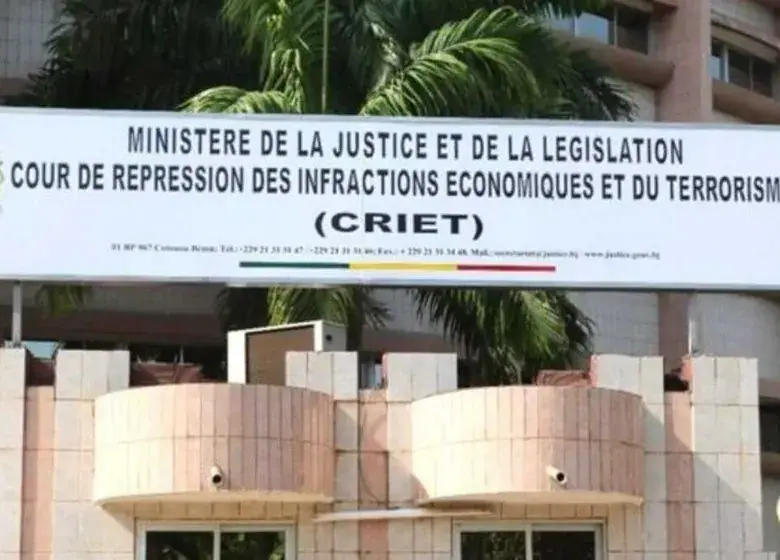
The case of Océane 229, a popular TikToker, has been brought before the Cour de répression des infractions économiques et du terrorisme (CRIET) in Benin. She was arrested in early October 2026 following a series of live streams on TikTok, during which she allegedly hurled insults and humiliating remarks at three individuals. The charges against her include divulging intimate details about someone, calling a woman a prostitute, and insulting her deceased mother.
Océane 229 is facing multiple charges, including harassment through electronic means and incitement to hatred and violence. After her arrest, she was held in custody and appeared before the special prosecutor's office at CRIET on October 8, 2026. The prosecutor has pursued several charges against her, and during her first court appearance, Océane 229 pleaded guilty to the allegations. She admitted to committing the acts and making the incriminating statements.
During the hearing on November 5, 2026, Océane 229 apologized to the complainants and expressed remorse for her actions. She claimed that she had made the hurtful comments in a state of anger. The special prosecutor's office presented its requisitions, requesting that the court sentence Océane 229 to 12 months in prison and fine her 2 million FCFA. The defense counsel, Me Roland Ahouissou, asked the court to consider a suspended sentence and reduce the fine.
The defense argued for leniency, and the judge adjourned the case to December 24, 2026, when the verdict is expected to be delivered. However, some online publications have prematurely reported Océane 229's conviction, confusing the prosecutor's requisitions with the court's decision. One of the victims' lawyers, Maître Omer Sylvain Tchiakpè, confirmed that the verdict will be delivered on December 24.
Océane 229's case has sparked significant attention on social media, with many users expressing concern about the potential consequences of her actions. The case highlights the challenges of regulating online content and the importance of accountability for social media influencers. CRIET's handling of the case will likely have implications for future cases involving online harassment and hate speech in Benin.
The court's decision will be closely watched by both supporters and critics of Océane 229, who has a significant following on TikTok. The case raises questions about the limits of free speech and the responsibility that comes with having a large online presence. As the verdict approaches, many are waiting to see how CRIET will balance the need to protect individuals from harm with the need to safeguard freedom of expression.
The outcome of Océane 229's case may have far-reaching consequences for social media users and content creators in Benin. If convicted, she could face a prison sentence and significant financial penalties. Regardless of the verdict, the case has already sparked a wider conversation about online behavior and the importance of respecting others' rights and dignity.
Key points
- Océane 229 faces up to 12 months in prison and a 2 million FCFA fine if convicted.
- The case highlights the challenges of regulating online content and the importance of accountability for social media influencers.
- The verdict is expected to be delivered on December 24, 2026.