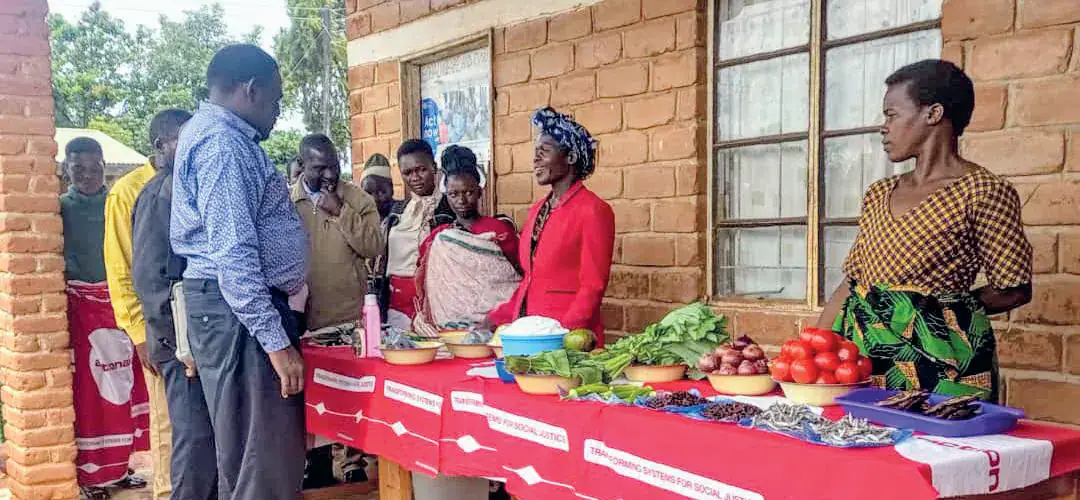
A recent World Bank report reveals a significant financing gap for micro, small, and medium enterprises (MSMEs) across emerging and developing economies, including Malawi. The report states that MSMEs face substantial constraints to growth, including limited access to formal loans, high borrowing costs, and economic instability. In Malawi, these challenges hinder productive investment and threaten the growth of small businesses.
According to the World Bank Group's Finance and Prosperity 2026 report, access to formal loans can increase employment among small and medium enterprises by an average of 12 percent and boost sales and profits by approximately 18 percent. However, Malawi's businesses face significant obstacles, including inadequate long-term credit, foreign exchange shortages, and unreliable electricity supply. These challenges are particularly pronounced for technology adoption, which is essential for private-sector growth.
The World Bank's September 2026 Malawi Economic Monitor identifies limited access to long-term financing as a major obstacle to private-sector growth. The report also notes that MSMEs account for 90 percent of businesses and employ approximately 75 percent of workers in emerging market and developing economies. World Bank Group vice-president for prosperity Pablo Saavedra emphasizes that financing constraints prevent smaller businesses from reaching their economic potential.
Saavedra highlights four major constraints to MSME growth: limited visibility to financial systems, disconnection from markets and services, regulatory complexity, and chronic underfinancing. To address these challenges, the World Bank Group plans to mobilize financing alongside private lenders and investors to support enterprises with strong growth potential. This strategy aims to help MSMEs overcome the constraints they face and achieve their economic potential.
In Malawi, private-sector credit growth is slowing, and concerns have been raised about the distribution of financing across economic sectors. An analysis by Don Consultancy Group shows that annual private-sector credit growth decelerated to 23.7 percent in August 2026 from 40.6 percent a year earlier. The consultancy notes that outstanding private-sector credit increased by just K5.8 billion in August, compared with K54.9 billion in July.
The distribution of financing has raised questions about the allocation of resources towards productive investment. Don Consultancy Group chief economist and executive director Chifi Mhango cautions that repayments do not automatically indicate declining production or financial distress. However, he emphasizes the need for measures to improve access to affordable, long-term investment capital to support sustainable employment and economic growth.
Experts, including Scotland-based Malawian economist Velli Nyirongo, highlight the need to address financing inequalities affecting rural and informal SMEs, particularly women- and youth-led enterprises. Nyirongo identifies promising areas for enterprise growth and export diversification, including agro-processing, textiles, garments, and digital services. He advocates for value-chain financing, investment in processing infrastructure, and technical assistance to help SMEs meet export standards.
Key points
- Malawi's small businesses face a $4 trillion financing gap, hindering expansion and job creation.
- Limited access to formal loans and high borrowing costs constrain productive investment in Malawi.
- Experts call for measures to improve access to affordable, long-term investment capital to support sustainable employment and economic growth.
Reporting sources
- Credit constraints threaten SMES’ growth · The Nation