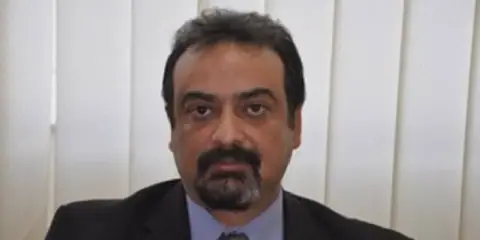
A recent plane crash in Kenge, the capital of Kwango province in the Democratic Republic of the Congo, has sparked a call for collective reflection on the state of infrastructure in the Grand Bandundu region. According to sociopolitical analyst Jean-Aimé Mbiya, the crash, which occurred on September 25 and claimed the lives of two high-ranking military magistrates and their delegation, is a tragedy that demands compassion and solidarity. However, beyond the emotional response, Mbiya believes the incident highlights the need for a broader discussion on safety conditions and infrastructure development in the region.
Mbiya emphasized that the reflection on infrastructure should not be limited to aviation but also encompass roads, healthcare, education, energy, water, transportation, agriculture, and economic equipment. He noted that the Grand Bandundu region boasts significant human resources, with its citizens holding key positions in public institutions, companies, universities, and national and international organizations. Mbiya argued that it is essential to explore ways to transform this presence into a collective dynamic for development.
The analyst attributed significant responsibility to the central government for territorial development, infrastructure construction, and public service provision. However, he also acknowledged that previous governments and local leaders have had a role in shaping the region's current state. Mbiya stressed that it is crucial to assess the contributions of individuals who have held power and to identify what can be done today to improve the situation sustainably.
Mbiya, who is also the vice-president and representative of the Union for Democracy and Social Progress (UDPS/Tshisekedi) in the United States, urged the region's elites to conduct a self-assessment of their accomplishments. He suggested that individuals who have held important positions should be asked about their contributions to improving living conditions for the population. This, he believes, will encourage accountability and a more comprehensive understanding of the region's challenges.
The analyst emphasized the importance of involving young people from the Grand Bandundu region in the development process. He encouraged them to invest in knowledge, entrepreneurship, innovation, citizenship, and public participation, stressing that development cannot rely solely on previous generations. Mbiya's comments highlight the need for a collaborative approach to addressing the region's infrastructure and development challenges.
The plane crash that occurred on September 25 resulted in the deaths of two high-ranking military officers, Lieutenant-General Joseph Mutombo Katalayi and Lieutenant-General Lucien-René Likulia. The incident prompted the Congolese government to declare a period of mourning and lowered flags across the country. The government has promised to investigate the cause of the crash and provide support to the families of the victims.
The call for infrastructure development in the Grand Bandundu region comes at a time when the Congolese government is seeking to improve living conditions and stimulate economic growth. Mbiya's comments are a reminder that sustainable development requires a collective effort and a comprehensive approach that addresses the region's multiple challenges. The government and local leaders will need to work together to develop effective strategies for infrastructure development and economic growth in the region.
Key points
- The plane crash in Kenge highlights the need for infrastructure development in the Grand Bandundu region.
- Analyst Jean-Aimé Mbiya calls for a collective reflection on safety conditions and infrastructure development.
- The region's elites are urged to conduct a self-assessment of their contributions to the region's development.