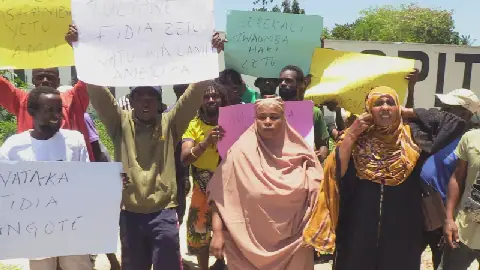
The Citizens' Platform on Constitutional Reform (CPCR) is pushing for significant changes to Ghana's system of governance, focusing on limiting presidential powers and enhancing constitutional safeguards. At a stakeholders' workshop in Sunyani, Bono Region, the coalition of civil society organisations emphasized the need to address fundamental questions about power distribution, institutional independence, and accountability. This move comes as the Government considers recommendations from the Constitutional Review Committee. The CPCR's proposals aim to prevent the excessive concentration of authority in the Executive.
One of the main concerns of the CPCR is the President's extensive appointing authority, particularly regarding independent and oversight institutions. The coalition advocates for transparent, competitive, and merit-based processes for appointments, rather than relying on presidential discretion. According to the CPCR, the character of an office should determine how its occupants are selected, especially where institutions are expected to exercise oversight over the Executive. This demand is part of a broader call for a major restructuring of Ghana's governance system.
The CPCR is also challenging the practice of Members of Parliament serving simultaneously as Ministers, Deputy Ministers, or Regional Ministers. The coalition argues that lawmakers should not occupy positions that could compromise their legislative role and is calling for a clearer constitutional separation between the Executive and Parliament. Furthermore, the CPCR wants MPs constitutionally barred from serving on the boards, governing councils, and procurement committees of publicly funded institutions, citing concerns about conflicts of interest.
The coalition is proposing a fundamental change in the selection process for Metropolitan, Municipal, and District Chief Executives. While supporting the election of local chief executives by citizens, the CPCR rejects presidential nomination, shortlisting, and vetting by institutions under the Executive. Instead, it advocates for open and unfiltered local MMDCEs elections, allowing qualified citizens to contest without passing through a presidential gatekeeping process. This issue is likely to attract significant national attention, given the Government's existing proposals for electing local chief executives.
The CPCR is also calling for a rethink of the financial relationship between central government and local assemblies. The coalition demands that the entire allocation of the District Assemblies Common Fund intended for Assemblies be transferred directly to them without deductions or central government commitments. Additionally, it opposes the allocation of a share of the Common Fund to Members of Parliament, arguing that such arrangements blur the distinction between legislative responsibilities and executive and development functions.
The remuneration of public officials is another area of focus for the CPCR. The coalition supports the establishment of an Independent Public Emoluments Commission to determine pay and benefits across the public sector, including those of the President and Article 71 officeholders. This proposal has already gained Government backing in principle, with the Fair Wages and Salaries Commission reporting that the Government has accepted the recommendation for an independent commission.
The CPCR's proposals centre on concerns about presidential power, institutional independence, public accountability, protection of public resources, and citizens' participation in governance. The coalition is urging the Government, Parliament, political parties, organised labour, and civil society to engage in genuine negotiations before the reform proposals are translated into final legislation. The objective, according to the CPCR, should be a constitutional settlement capable of commanding broad national support.
Key points
- The CPCR is demanding a major overhaul of presidential powers in Ghana.
- The coalition wants a clearer constitutional separation between the Executive and Parliament.
- The CPCR supports the establishment of an Independent Public Emoluments Commission to determine public sector pay and benefits.