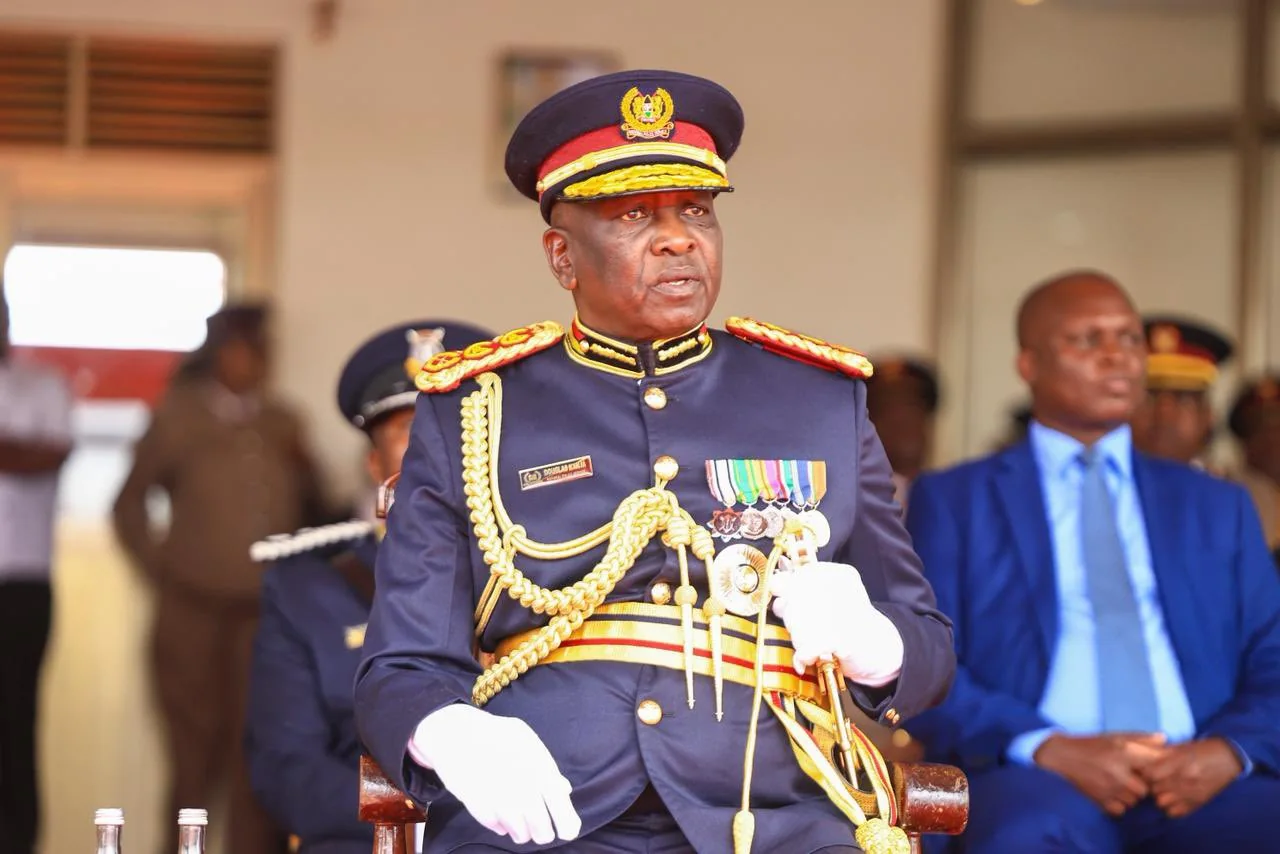
The High Court of Kenya has pardoned Inspector General of Police Douglas Kanja in a contempt case. Justice Patricia Nyaundi noted that Kanja had personally appeared in court, accompanied by senior National Police Service officers. She considered his undertaking that he had instructed officers to comply with court orders. The case concerned the police's conduct during protests on June 25, 2026, where roadblocks and barricades were erected in Nairobi.
The contempt case arose from the police's actions during protests, where they erected roadblocks and barricades in several areas of Nairobi, including Uhuru Highway, Moi Avenue, and Parliament Road. The court had issued a conservatory order in July 2025, requiring police to notify the public before putting up roadblocks or barricades in connection with demonstrations. Despite this, the police implemented the restrictions, affecting families seeking to access Parliament and resulting in the arrest of 355 people.
Justice Nyaundi expressed concern over the National Police Service's conduct and its impact on citizens' right to movement. She stressed that the police play a crucial role in safeguarding the rule of law. The judge noted that the purpose of contempt proceedings was to assert the authority of the court, but she had no intention of imposing a punitive sentence where compliance could be secured. Kanja had been found personally responsible for failing to ensure compliance with the court order.
During the ruling, Justice Nyaundi appreciated Kanja's undertaking that he had emphasized to his officers the importance of complying with court orders. She warned Kanja that if the conduct was repeated, the court could impose a custodial sentence. The judge said it was not the court's intention to impose a punitive sentence but to ensure compliance. Kanja was accompanied by senior National Police Service officers during the court appearance.
The case was brought to court by Katiba Institute, which challenged the police action and accused officers of deliberately violating the court order. The police disputed the allegations, arguing that the measures were not centrally coordinated and that the order did not completely bar security checkpoints, roadblocks, or traffic diversions. The court's decision was made on Monday, with Kanja in attendance.
The police's actions during the protests resulted in the restriction of movement for many citizens. The court order that was violated required police to notify the public before putting up roadblocks or barricades. Despite this, the police implemented the restrictions without notification, leading to the contempt case. The court's decision aims to ensure that the police comply with court orders in the future.
The Inspector General of Police, Douglas Kanja, has been spared a punitive sentence. However, the court has issued a stern warning that if there is a recurrence of similar conduct, Kanja may face a custodial sentence. The court's decision emphasizes the importance of the police complying with court orders and respecting citizens' rights. Kanja's appearance in court and undertaking to ensure compliance were key factors in the court's decision.
Key points
- The High Court of Kenya pardoned Inspector General of Police Douglas Kanja in a contempt case.
- Kanja was found in contempt for failing to ensure compliance with a court order regulating police deployments during protests.
- The court warned Kanja that a custodial sentence may be imposed if there is a recurrence of similar conduct.