The Federal High Court in Lagos has officially ordered the final forfeiture of 431 mobile phones to the federal government. The devices were recovered from a syndicate of Chinese nationals and other foreigners allegedly running a cryptocurrency and romance scam network in Lagos. The presiding trial judge, Justice Dehinde Dipeolu, delivered the ruling after hearing arguments presented by Hanatu Kofarnaisa, the prosecuting counsel for the Economic and Financial Crimes Commission (EFCC).
The journey to the final forfeiture began in July 2026, when the EFCC approached the court to secure an interim forfeiture order over the 431 mobile phones. The anti-graft agency argued that the devices were linked to the foreign suspects and were instrumental in perpetrating their fraudulent activities. The court granted the interim order and mandated the EFCC to publish the ruling in a national newspaper to allow anyone with a legitimate interest in the property to appear before the court.
During the proceedings, Kofarnaisa informed the court that the agency had complied with the directive, publishing the interim order in The Guardian newspaper on August 11, 2026. With no interested parties stepping forward to claim the devices or contest the ruling, the EFCC counsel urged the court to grant the final forfeiture application in the interest of justice. Justice Dipeolu granted the request, permanently transferring the ownership of the 431 mobile phones to the federal government.
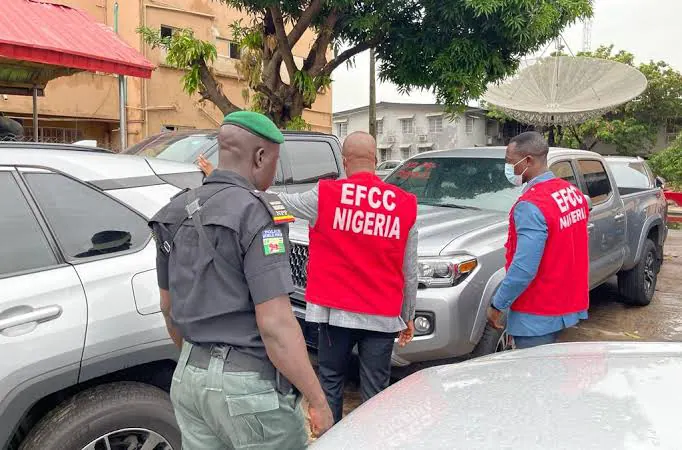
The confiscated phones are part of a sprawling cybercrime investigation that dates back to December 2024. During a coordinated raid, EFCC operatives arrested 792 suspects, including 114 Chinese nationals, 40 Filipinos, two Kazakhs, one Pakistani, and one Indonesian. The foreign nationals had converted a seven-storey building in Victoria Island, Lagos, into a training facility to teach Nigerians how to initiate and execute cryptocurrency investment frauds and romance scams.
Several of the foreign suspects were subsequently convicted for their roles in the illicit enterprise. The dismantling of the criminal network led to an unprecedented haul of forfeited assets, including digital assets worth $222,729 in USDT. The court also ordered the forfeiture of a range of operational equipment and household items found at the facility, including 1,596 computers, 4,091 other mobile phones, and 350 foreign SIM cards.
The exhaustive list of previously forfeited properties also featured seven vehicles, heavy-duty network servers, hundreds of routers, thousands of mattresses and sofas, and hundreds of deep freezers. This paints a vivid picture of the sheer scale and audacity of the illicit operation. The EFCC has been actively working to dismantle cybercrime networks in Nigeria, and this latest ruling is a significant step in that effort.
The final forfeiture of the 431 mobile phones brings to a close a significant chapter in the investigation into the cybercrime syndicate. The EFCC's successful prosecution of this case demonstrates the agency's commitment to combating cybercrime and protecting the Nigerian public from these types of scams. The forfeited assets will now be transferred to the federal government, which will determine their future use.
Key points
- The court ordered the final forfeiture of 431 mobile phones seized from foreign cybercrime suspects.
- The devices were used in a cryptocurrency and romance scam network operating in Lagos.
- The forfeiture is part of a larger investigation into cybercrime that resulted in the arrest of 792 suspects.