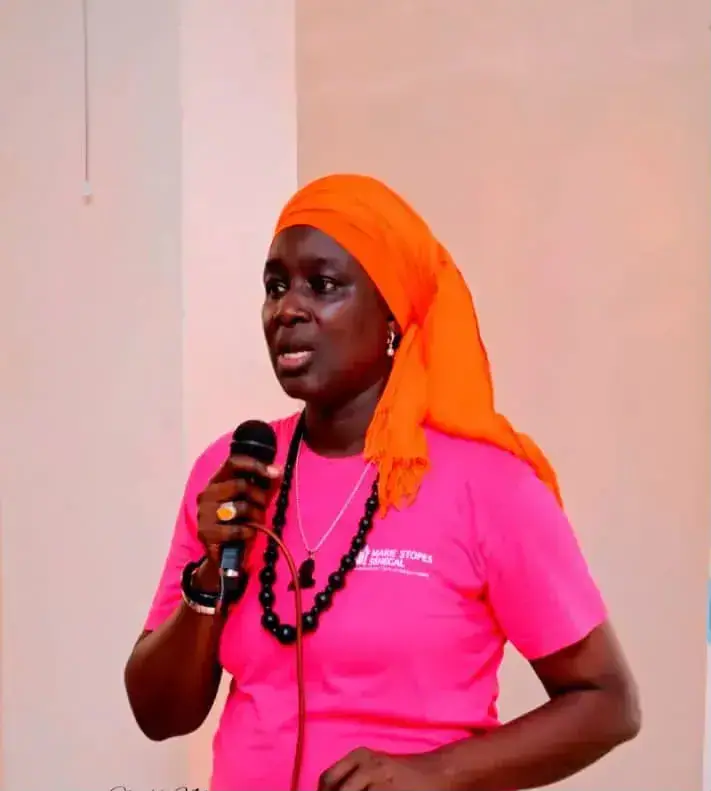
Coumba Dieng, president of the "Badienou gokh" in the western district of Dakar, has become a trusted figure for women from various regions of Senegal who come to the capital seeking employment. Many of these women, far from their families, face challenges related to reproductive health and often turn to Dieng for advice on contraception and family planning. Her role has evolved into one of providing not just information but also emotional support to those navigating the complexities of living away from home.
The women who visit Coumba Dieng have diverse stories. Some have left their villages in search of jobs in Dakar, while others come to the city seasonally, depending on employment opportunities. Dieng's engagement is part of a broader effort to raise awareness about reproductive health. Her conversations with these women often revolve around contraception and family planning, topics that take on greater significance when the women are away from their usual support systems.
Dieng's work highlights the difficulties faced by women who move to Dakar, particularly those from areas without access to community health services. These women may not know where to find help or who to trust with their intimate concerns. Coumba Dieng offers guidance and, when necessary, directs them to healthcare facilities. Her experience underscores the challenges of accessing reproductive health information and services in a new environment, often compounded by financial constraints.
For some women, the issue becomes more critical when they become pregnant. Some are already pregnant upon arriving in Dakar, while others discover their pregnancy during their stay. Dieng reports that many of these pregnancies are unplanned, and the women may not have a support system in place. In such cases, her role is to provide orientation and help them connect with healthcare structures, which can be daunting given their limited financial resources.
Coumba Dieng's testimony sheds light on a reality that goes beyond the statistics of population movement. Behind the women who leave their regions to work in urban centers are professional trajectories and health needs that do not disappear with a change in residence. Access to reproductive health information and healthcare can be hindered by other, more immediate concerns, such as financial limitations.
The experience of Coumba Dieng illustrates how the distance from family and the lack of accessible support can make it difficult for women to receive the care they need. Those who used to rely on trusted individuals in their villages must often seek new sources of support in Dakar, without always having the means or knowledge to access health services.
Coumba Dieng's work is a testament to the importance of community support in addressing the health needs of migrant women. By providing a listening ear, information, and orientation towards healthcare facilities, she represents a lifeline for many who would otherwise be left to navigate these challenges alone. Her efforts underscore the need for accessible reproductive health services and support systems for women on the move.
Key points
- Coumba Dieng provides reproductive health support and counseling to women migrating to Dakar for work.
- Her work highlights the challenges faced by migrant women in accessing reproductive health services and information.
- Dieng's efforts demonstrate the importance of community-based support systems in addressing the health needs of migrant populations.