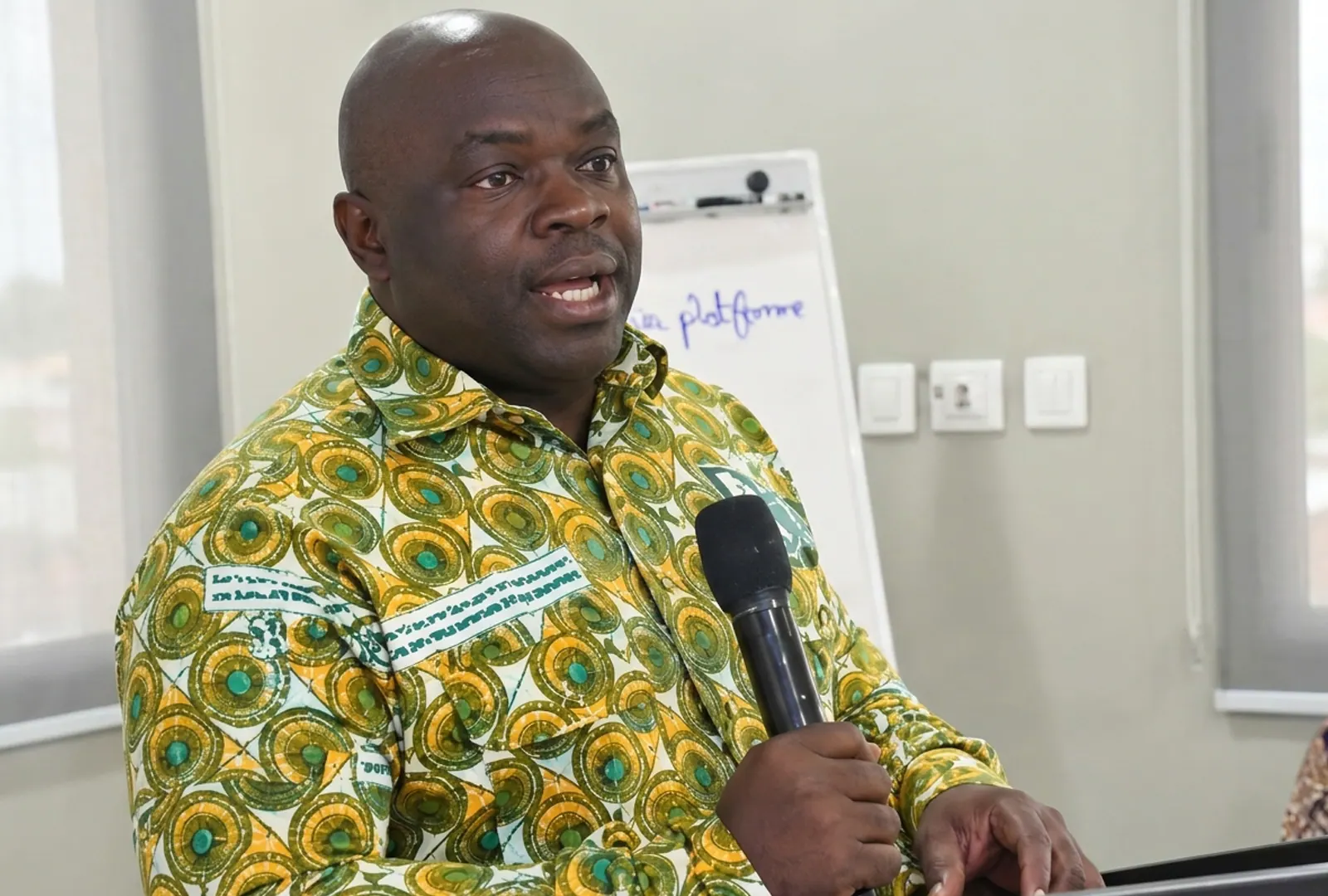
Zondé Stéphane, Secretary General of the Fédération de l'enseignement, la formation et la recherche de Côte d'Ivoire (FER-CI), has called for unity in the pursuit of an incentive bonus for teachers. In an interview, Stéphane emphasized that teachers, who play a crucial role in shaping the country's future, deserve the bonus. He noted that the issue of the bonus has been a central theme in FER-CI's activities since 2023 and that the union will not start the new academic year without making it a priority.
The Ivoirian government recently banned remedial classes in schools, a decision that Stéphane believes is not well thought out. He argued that with overcrowded classrooms and a high student-to-teacher ratio, it is challenging for teachers to provide adequate support to all students. Instead of banning remedial classes, Stéphane suggested that the government should structure them to ensure that students receive the support they need.
Stéphane also addressed concerns about the division within the teaching community, stating that while there may be differences in approach, the ultimate goal of securing the incentive bonus is shared by all. He emphasized that the union is united in its determination to achieve this goal and that all members will come together to mobilize and demand action from the government.
FER-CI recently withdrew from the Intersyndicale des Syndicats du Ministère de l'Education Nationale et de l'Alphabétisation (IS-MENA), a move that Stéphane justified by citing the retirement of IS-MENA's leader, Bli Blé. He stressed that union leaders must be active and represent the interests of their members, rather than simply holding a position.
The third social truce is set to take effect, but Stéphane expressed concerns about the legitimacy of the representatives who will be negotiating on behalf of teachers. He argued that these representatives were not elected by the teachers themselves and therefore do not have a mandate to speak on their behalf. FER-CI is calling for professional elections to determine which union can legitimately represent teachers in negotiations with the government.
As the representative of inspectors of orientation, Stéphane also highlighted the challenges faced by students in terms of orientation. He noted that the criteria for accessing university programs are not transparent, and students are often not well-informed about their options. This can lead to poor choices and a mismatch between students' abilities and the programs they enroll in.
In conclusion, Stéphane emphasized that the issues facing the education sector are complex and multifaceted. He called for a more nuanced approach to addressing these challenges, one that takes into account the needs of teachers, students, and the broader education system. By working together and finding solutions that benefit all stakeholders, Stéphane believes that Cote d'Ivoire can build a stronger, more effective education system.
Key points
- Teachers in Cote d'Ivoire are demanding an incentive bonus, which they believe is essential for improving the education system.
- The government has banned remedial classes, a decision that teachers and unions argue is not in the best interests of students.
- The education sector is facing challenges related to teacher representation, student orientation, and the need for a more effective and equitable education system.