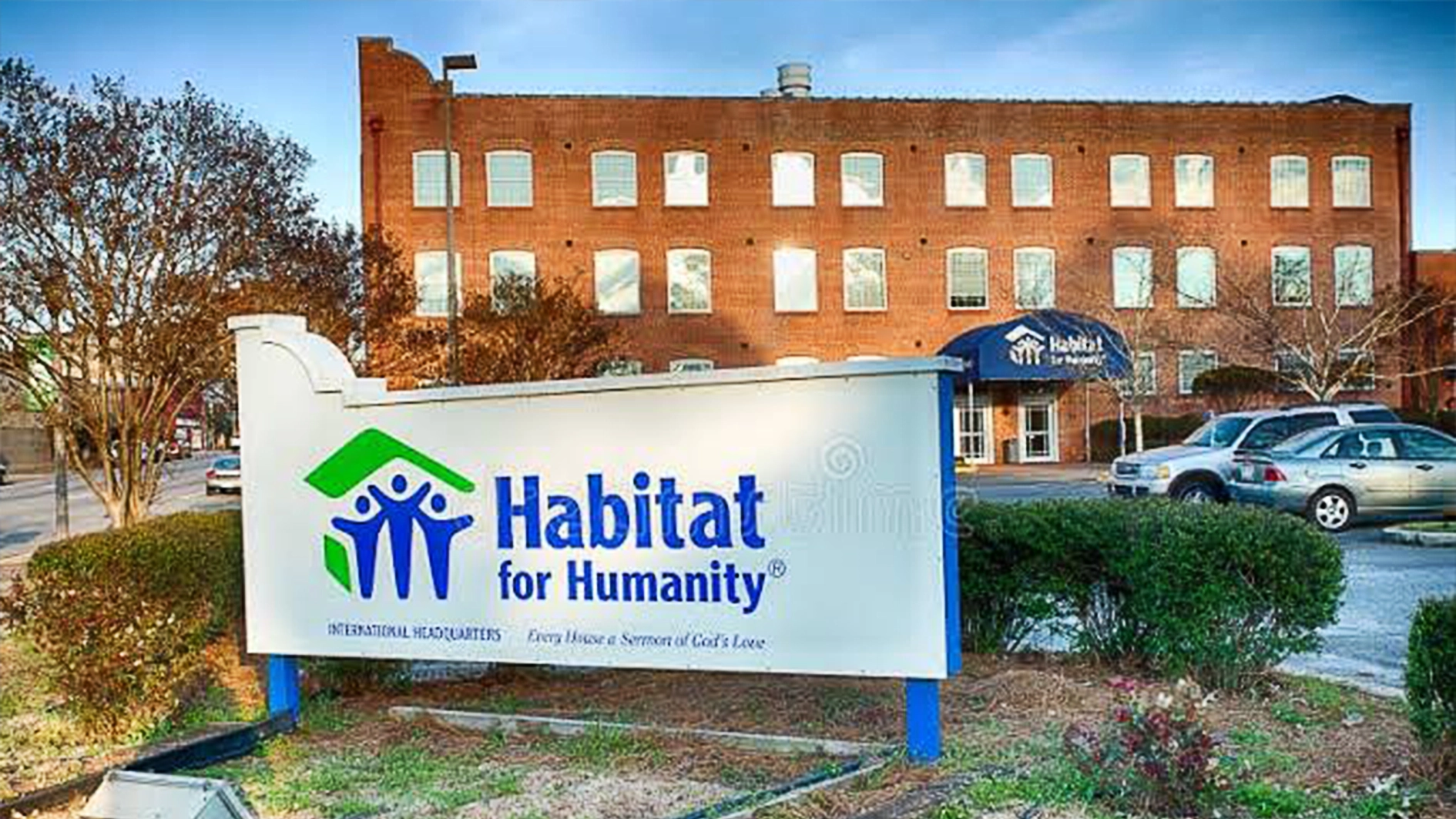
A recent report by Habitat for Humanity International reveals that rising housing costs are pushing many people into deep abject poverty worldwide. In Nigeria, the situation is escalated, with high house rents driving households into deficiency. Rent takes money away from essential needs, making it difficult for households to live and remain economically productive. The poverty cycle is fueled by rent increases outpacing income growth.
In Nigeria, house or property rent rises faster than people's income. A 2026 legislative research paper reports that rents in major urban centers, including the FCT, can rise by 50% or more within a year. This forces individuals or households to devote a larger share of their income to keeping a roof over their heads. As a result, they have little choice but to reduce spending on basic necessities like medical bills, school fees, and food.
Research on Abuja's housing affordability identifies increases in spending on transportation as a result of housing-cost pressure. A 2025 FCT study revealed that high rents and additional charges were pushing lower-income residents toward distant satellite communities, with longer commutes and associated financial and productivity costs. This leads to a situation where people save on house or property rent but spend more on meals outside the home and transportation.
An Abuja rental study shows 84.1 percent of surveyed household heads experienced rental affordability burden, while only 15.9 percent of them were classified as living in affordable rental housing. High rent can reduce the ability to build personal wealth, as money spent servicing expensive rent cannot be saved for business investment or retirement. This creates a Nigerian housing paradox where high rent prevents people from saving enough to escape high rent.
The World Bank's current Nigeria assessment says people's incomes have not fully recovered, and poverty remains high. Many families spend 30 percent, 40 percent, 50 percent or more of their income on housing. This has led to a situation where renters are unable to save for homeownership, and many households become homeless after a rent increase.
Nigeria's latest General Household Survey contains household-level data on whether households own or rent, how much they pay in rent, and housing characteristics. This data can be used to build a stronger rent-to-income burden analysis. Investigation shows that rent serves as a financial shock on workers rather than simply a property-market issue. When rent consumes an increasing share of a worker's income, what is left for food, healthcare, education, transportation, savings, and emergencies will be insignificant.
The problem is especially significant in Nigeria because poverty is already widespread, and workers' incomes remain under pressure. The question that comes to mind is, how much does rent consume? Looking into annual rent in Abuja, Lagos, Kano, Port Harcourt, and other major cities, many workers spend more than 30 percent to even 60 percent of their income on housing. They sacrifice food consumption, electricity, and other utilities to pay their landlord monthly, quarterly, or annually.
Key points
- High house rents in Nigeria are pushing people into deep deprivation, with many families spending over 30% of their income on housing.
- The situation is escalated in major urban centers, with rents rising by 50% or more within a year.
- High rent can prevent homeownership, as renters are unable to save for a house when most of their disposable income is consumed by rent.