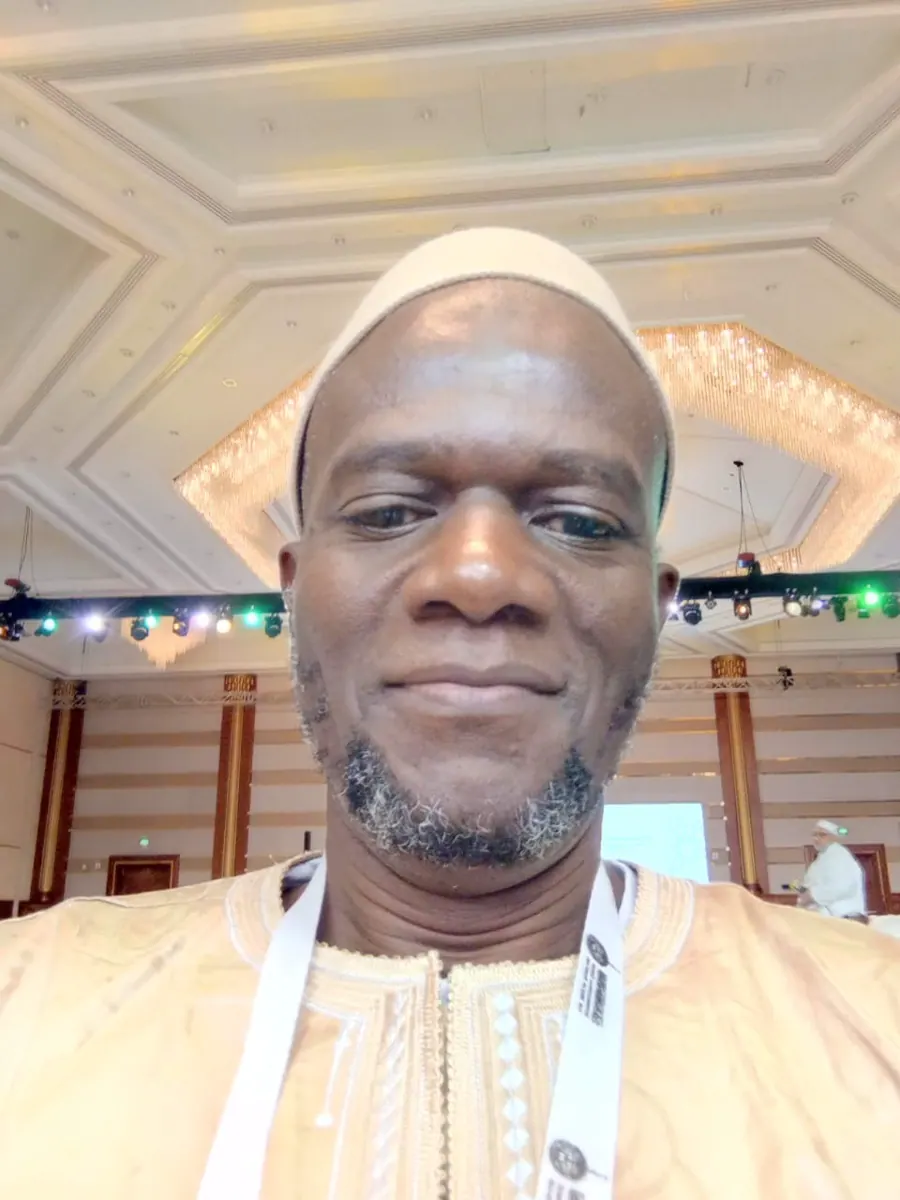
In a thought-provoking analysis, Dr. Koné Baman, a scholar at the African Muslim University in Abidjan, Cote d'Ivoire, tackles the question of whether humans must choose between worshiping Allah and building a civilization. He argues that this question is misposed and instead posits that the real issue lies in understanding the purpose of human creation. According to Dr. Koné, Islam does not present humans with an alternative between faith and building a society or state.
Dr. Koné cites two Quranic verses to support his argument. The first verse states that humans and djinns were created solely to worship Allah (51:56). The second verse asserts that Allah created humans from the earth and established them to make it prosper (11:61). He believes these verses complement each other, indicating that building a better world is part of human mission on earth, as long as it is connected to the ultimate purpose of creation.
The scholar emphasizes that, in Islam, constructing a just society and beneficial civilization is an integral part of human mission. However, this endeavor must be linked to the supreme purpose of human creation. Dr. Koné stresses that science, economy, education, politics, power, institutions, and civilization are merely means to an end, not ends in themselves. Their value lies in what they bring to humanity, justice, and well-being.
Dr. Koné warns that danger arises when these means become autonomous, self-sufficient, and detached from Allah. He reframes the debate, asking a fundamental question: what kind of state do we want to build? One that enslaves humans to materialism, power, and force, or one that uses power as an instrument of justice, science as a lever for development, and civilization as a service to humanity?
The scholar observes that contemporary humans can build powerful states, prosperous economies, and impressive technologies yet fail to answer the most fundamental question: what is the purpose of all this power? Dr. Koné asserts that a civilization with means but without a sense of purpose can become more powerful without necessarily becoming more humane.
The central message of Dr. Koné's reflection is that the problem lies not in building a state or civilization but in doing so without a higher moral purpose. He invites readers to reposition sense before power, cautioning that without a moral compass, even spectacular progress can be a meaningless pursuit.
Dr. Koné's analysis concludes with a call to revisit the relationship between means and ends. He urges humans to prioritize their mission and purpose, lest they become lost in the pursuit of power, wealth, and materialism. By doing so, humans can create a more just and beneficial world, aligned with their ultimate purpose.
Key points
- Dr. Koné Baman argues that humans must understand their purpose and link their endeavors to a higher moral goal.
- The scholar cites Quranic verses to support his argument that building a better world is part of human mission on earth.
- Dr. Koné warns that means can become autonomous and self-sufficient, detached from Allah, leading to a loss of purpose.