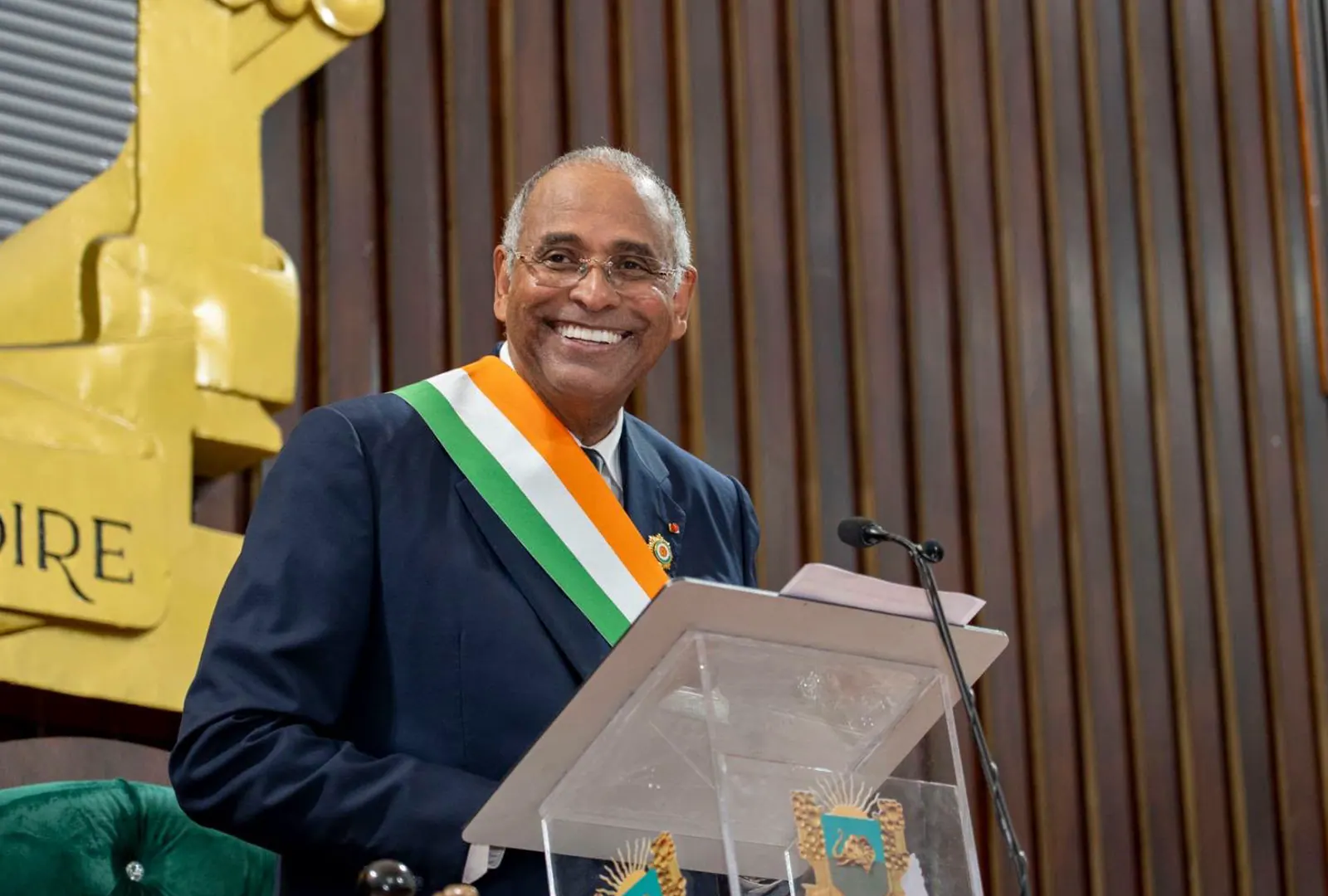
On October 1, 2026, Patrick Achi, President of the National Assembly of Cote d'Ivoire, outlined the institution's goals for the second ordinary session of 2026. Achi emphasized that a great National Assembly is not simply proclaimed but built through quality legislative work, citizen engagement, and effective policy evaluation. He highlighted the importance of transforming the Assembly into a more citizen-centric, open, and attentive institution.
During the first session of 2026, the National Assembly made significant progress, including the establishment of its bureau, six permanent commissions, and a Commission for Evaluating Public Policies. The Assembly adopted 27 bills, 26 of which were passed unanimously. Notable legislation included the 2026-2030 National Development Plan, which sets the country's economic and social trajectory for the next five years. Other important bills addressed health, social inclusion, rural land, agriculture, economic activity, and regional integration.
To foster greater citizen engagement, the National Assembly conducted an "Assembly Beyond the Hemicycle" initiative during the intersession. Deputies visited several constituencies across the country, engaging with citizens and listening to their concerns. The initiative aimed to explain adopted laws, gather feedback, and promote a better understanding of citizens' needs. The concerns raised will inform the work of the Assembly's commissions, audits, and questions to the government.
The experience gained from the "Assembly Beyond the Hemicycle" initiative will become a regular practice, according to Achi. The goal is to create a culture of "restitution, listening, transmission, and action" among parliamentarians. Citizens' concerns will be addressed through various means, including the work of the Commission for Evaluating Public Policies, which will track policy implementation and assess results over time.
The National Assembly will prioritize policy evaluation and oversight during its second session. This will involve examining the national budget and ensuring that policies are effectively implemented. The Commission for Evaluating Public Policies will play a crucial role in this process, enabling the Assembly to track commitments, monitor execution, and assess policy outcomes.
Modernization is another key area of focus for the National Assembly. Achi emphasized the importance of artificial intelligence in transforming research, learning, production, communication, and decision-making. To this end, the Assembly will provide training for its members on artificial intelligence, starting on October 12, 2026, in collaboration with the Ministry of Digital Transition and Technological Innovation.
The National Assembly is also set to undergo material modernization. Deputies will receive tablets starting on October 5, 2026, and the institution will upgrade its infrastructure, including the installation of a new conference system by the end of 2026. Additionally, President Alassane Ouattara has approved funding for the rehabilitation of the National Assembly's headquarters, which is expected to begin in January 2027.
Key points
- The National Assembly will prioritize citizen engagement and policy evaluation during its second ordinary session of 2026.
- The institution aims to modernize its operations through the use of artificial intelligence and upgraded infrastructure.
- The "Assembly Beyond the Hemicycle" initiative will become a regular practice to foster greater citizen engagement.