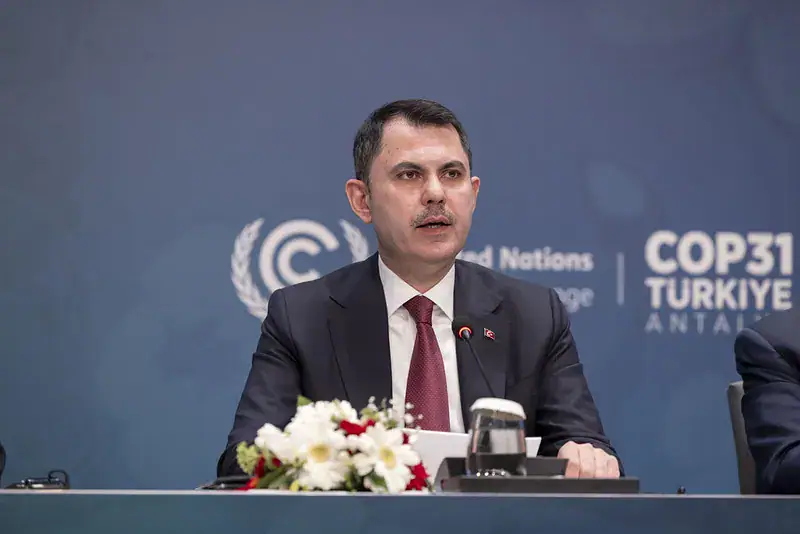
The COP31 Presidency has announced a Global Electrification Pledge, aiming to raise electricity's share of final energy use to 35% by 2035. This goal is backed by new financing coalitions and tracking mechanisms. The pledge was unveiled at the UN Climate Summit in Antalya, Turkey. It targets an increase in electricity's share of global final energy consumption from about 23% today to 35% by 2035.
The Global Electrification Pledge draws on analysis by the International Energy Agency and the International Renewable Energy Agency. These agencies view accelerated electrification as essential for limiting warming to 1.5°C. COP31 President Murat Kurum stated that recent energy crises highlighted the risks of reliance on imported fossil fuels. He reinforced the need for faster electrification to enhance energy security and economic growth.
Achieving the 35% target will require practical pathways, substantial investment, and upgrades to power grids and storage systems. This will expand clean electricity access across households, transport, and industry. President of Negotiations Chris Bowen emphasized the importance of these requirements. The COP31 Presidency and the European Union will convene the first Electrification Forum. This forum aims to become a regular platform for governments, financiers, businesses, and energy stakeholders.
The International Energy Agency will support the effort through a Global Electrification Tracking Mechanism. IRENA will lead the D-GRIDS programme to help developing nations identify grid investment needs and secure financing. The initiative includes the Electrify Now Finance Coalition. The World Bank and African Development Bank are slated as inaugural co-chairs in 2027 to mobilise resources for emerging economies.
Business engagement is growing, with over 180 companies participating in the Electrify Now Finance Coalition. These companies, including Volvo, Uber, IKEA, and Siemens, represent more than $1.69 trillion in annual revenue. For Africa, the pledge offers a chance to address chronic electricity access and infrastructure gaps. These gaps are seen as major constraints on industrialisation and clean-cooking solutions.
However, translating the 35-by-35 ambition into concrete national commitments, infrastructure projects, and affordable electricity for communities will be a central challenge. This is especially true across developing regions. The pledge demands significant capital and grid upgrades.
The Global Electrification Pledge marks the start of an "age of electricity". It has the potential to boost the global energy transition. The success of this initiative will depend on the cooperation of governments, financiers, businesses, and energy stakeholders.
Key points
- The Global Electrification Pledge aims to increase electricity's share of final energy use to 35% by 2035.
- The pledge is backed by new financing coalitions and tracking mechanisms.
- The initiative has the potential to address chronic electricity access and infrastructure gaps in Africa.