The COP31 conference opened on November 9 in Antalya, Turkey, bringing together climate specialists and experts to address the pressing issue of environmental degradation. The conference aims to discuss options for protecting forests, conserving oceans and glaciers, and prioritizing alternative energy sources over fossil fuels. However, the conference has been criticized for its lack of concrete actions and its focus on discussions rather than tangible results.
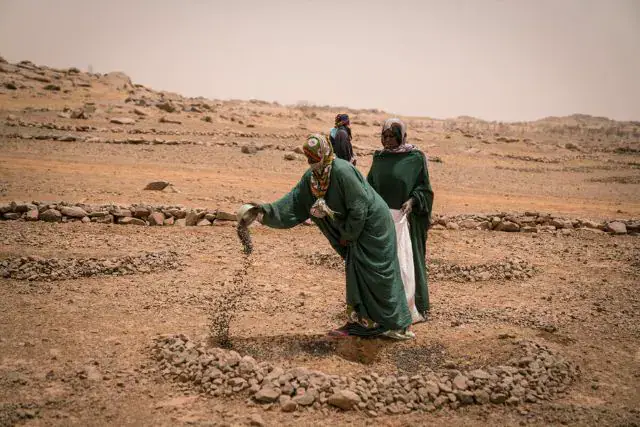
African populations, particularly farmers, are severely impacted by climate change, relying heavily on rainfall for their crops. The unpredictable weather patterns have resulted in poor harvests, leading to food deficits and famine in some areas. Governments are forced to seek aid from technical and financial partners, as well as friendly countries, to mitigate the effects of climate change. However, the aid provided has decreased significantly, exacerbating the challenges faced by African countries.
The impact of climate change is felt throughout the economy, with small-scale informal sector actors and industries struggling with frequent electricity outages. The increase in oil prices has led to higher transportation costs, food prices, and rent, ultimately affecting the daily lives of citizens. The rising cost of living has become a significant concern, with many households struggling to make ends meet.
The COP31 conference has been criticized for its lack of concrete actions and its focus on discussions rather than tangible results. The conference is expected to follow a familiar pattern, with participants making promises and commitments that may not be fulfilled. The African continent, which is disproportionately affected by climate change, is expected to receive limited funding to support its efforts to mitigate the effects of climate change.
One of the major challenges facing the COP31 conference is the imbalance between the commitments made by developed countries and the actual support provided to developing countries. The continent's leaders have accused some governments of using climate change funding for personal gain, while the main polluters continue to prioritize industrial growth over environmental protection.
The outcome of the COP31 conference remains uncertain, with many questioning its ability to bring about meaningful change. Despite the rhetoric and promises, the actual implementation of climate change mitigation strategies remains a significant challenge. The African continent will continue to bear the brunt of climate change, with its people facing significant challenges in their daily lives.
Key points
- The COP31 conference aims to address the pressing issue of environmental degradation, but its impact on African populations remains uncertain.
- African countries are disproportionately affected by climate change, despite being among the lowest emitters of greenhouse gases.
- The conference has been criticized for its lack of concrete actions and its focus on discussions rather than tangible results.
Reporting sources
- COP31: que peuvent en attendre les Africains? · Wakat Séra