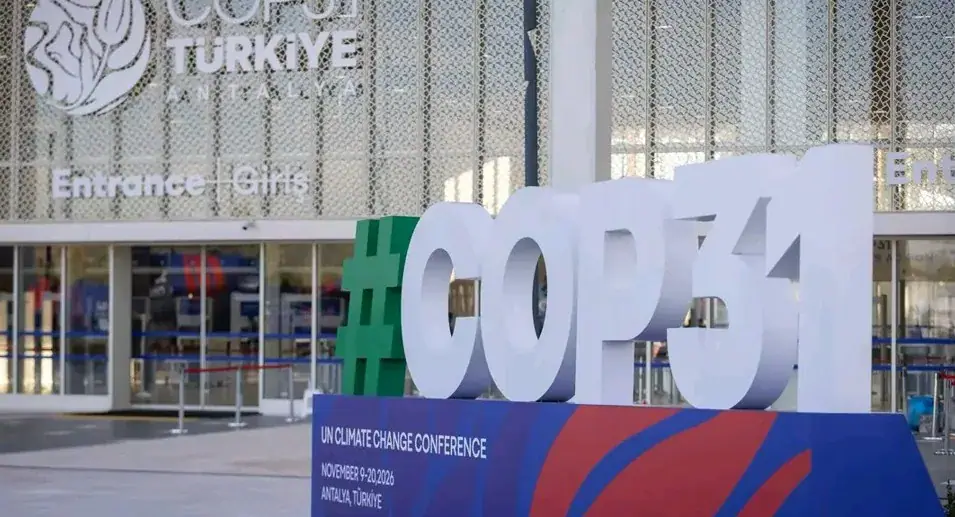
The UN climate summit COP31 opened on Monday in Antalya, Turkey, as governments confront a widening gap between promised climate actions and actual delivery. The conference, running from November 9 to 20, brings together world leaders, ministers, negotiators, scientists, and civil society to discuss emissions cuts, adaptation, and financing. Turkey holds the COP presidency, while Australian Climate Change and Energy Minister Chris Bowen will chair the negotiations.
A World Leaders' Summit is slated for November 11-12 under the theme “COP of the Future – COP of Implementation,” aiming to turn commitments into measurable outcomes. The presidency’s Action Agenda highlights clean-energy transition, electrification, zero waste, methane reduction, climate-resilient cities, green industrialisation, food security, and ocean protection. These key areas of focus will guide discussions and negotiations during the summit.
Proposed 2035 targets call for electricity to supply 35% of global final energy, a 25% cut in building energy intensity, and a 15% global circular material use rate. These targets are part of a broader effort to accelerate the shift away from fossil fuels and reduce greenhouse gas emissions. However, negotiators remain divided over financing for developing countries and the pace of this transition.
The UN Environment Programme’s 2026 Emissions Gap Report warns that even full implementation of current pledges would leave warming at about 2.6 °C this century, far above the Paris goal of well below 2 °C. The report also notes that developing nations will need between $28.2 billion and $31.7 billion in 2024 for climate finance, a shortfall roughly ten times the current provision.
The summit follows a year of severe floods, heatwaves, and droughts, intensifying demands for faster emissions cuts and greater support for the most vulnerable countries. Kenya and other developing nations are expected to play a significant role in the negotiations, pushing for more ambitious climate actions and increased financial support.
The COP31 presidency has emphasized the need for concrete action and measurable results, highlighting the importance of cooperation and collaboration to address the climate crisis. The summit will feature discussions on youth and education, resilient health systems, and cooperation on biodiversity and land degradation, among other key topics.
As the summit continues, leaders and negotiators will face mounting pressure to deliver tangible outcomes and address the pressing issues of climate finance, emissions cuts, and support for vulnerable countries. The success of COP31 will depend on the ability of governments and stakeholders to work together and translate commitments into concrete actions.
Key points
- The UN climate summit COP31 aims to turn pledges into measurable results and address financing gaps for developing nations.
- Proposed 2035 targets include electricity supplying 35% of global final energy and a 25% cut in building energy intensity.
- The UN Environment Programme’s 2026 Emissions Gap Report warns of a significant shortfall in climate finance for developing nations.
Reporting sources
- COP31 Opens in Antalya Amid Calls for Concrete Climate Action · kenya-today.com