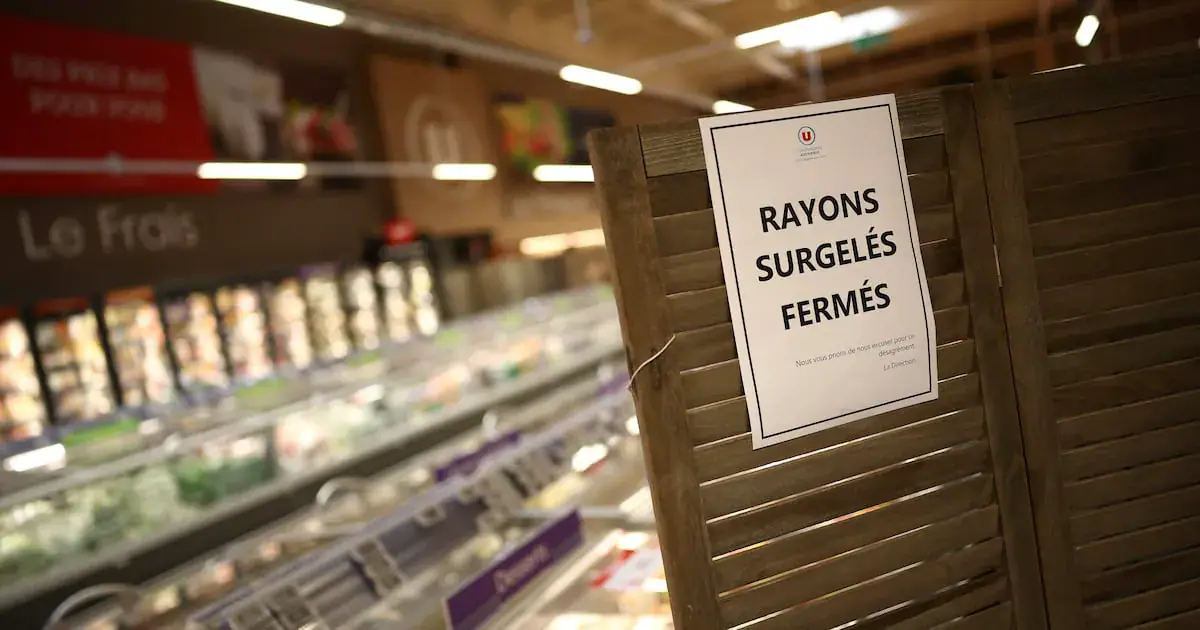
French officials have identified Iranian state-backed hackers as the likely culprits behind a series of cyberattacks that crippled commercial refrigerators and freezers across France and Europe. The attacks, which occurred in October and again this month, caused significant disruptions to food storage and distribution. Hundreds of establishments were affected, with some refrigerators having their temperature controls overridden, leading to spoiled food and financial losses estimated in the tens of millions of euros.
The cyberattacks, which have been attributed to Iranian hackers, are part of a larger conflict between the US and Iran that began in February. This conflict has been marked by various incidents of alleged cyber disruption, including attacks on the Los Angeles transit system, US water treatment plants, and ships bound for the United States. Iranian officials have consistently denied involvement in malicious cyber operations.
Cybersecurity experts have noted that the refrigerator hacks appeared to be relatively easy to execute, as many of the affected units were obsolete or running outdated firmware. This vulnerability allowed hackers to gain access and override temperature controls, causing some refrigerators to catch fire. The attacks' effects were dramatic, with supermarket employees disposing of large quantities of spoiled food.
The French foreign ministry and the Paris prosecutor's office have not commented on the matter, while Iran's mission to the United Nations did not respond to requests for comment. The investigation into the hacks is ongoing, with French officials working closely with their US counterparts to determine the extent of Iranian involvement.
The US military is also investigating a similar incident in August, in which refrigerators in at least half a dozen military commissaries malfunctioned. Pentagon investigators are treating the incident as a suspected cyberattack and are working with French officials to establish a connection between the US and European hacks. The Pentagon considers Iran a suspect in the commissary sabotage campaign but notes that the investigation is still in progress.
A second wave of hacking hit more than 100 establishments across Europe this month, affecting refrigerators used by French blood banks and prompting employees to move some of the blood to different cold storage units. The repetition of these attacks across multiple countries has raised concerns about the growing threat of AI-powered cyberattacks and the potential for state-backed hackers to disrupt critical infrastructure.
The ongoing investigations into the refrigerator hacks highlight the complexities of attributing cyberattacks to specific actors and the challenges of responding to these threats. As the global threat landscape continues to evolve, officials and experts are working to develop more effective strategies for preventing and mitigating the effects of cyberattacks on critical infrastructure.
Key points
- French officials suspect Iranian hackers behind cyberattacks on commercial refrigerators and freezers across France and Europe.
- The attacks are part of a larger conflict between the US and Iran that began in February.
- The US military is investigating a similar incident in August and considers Iran a suspect in the commissary sabotage campaign.
Reporting sources
- French officials suspect Iran is behind refrigerator hacks, sources say · The Sunday Times