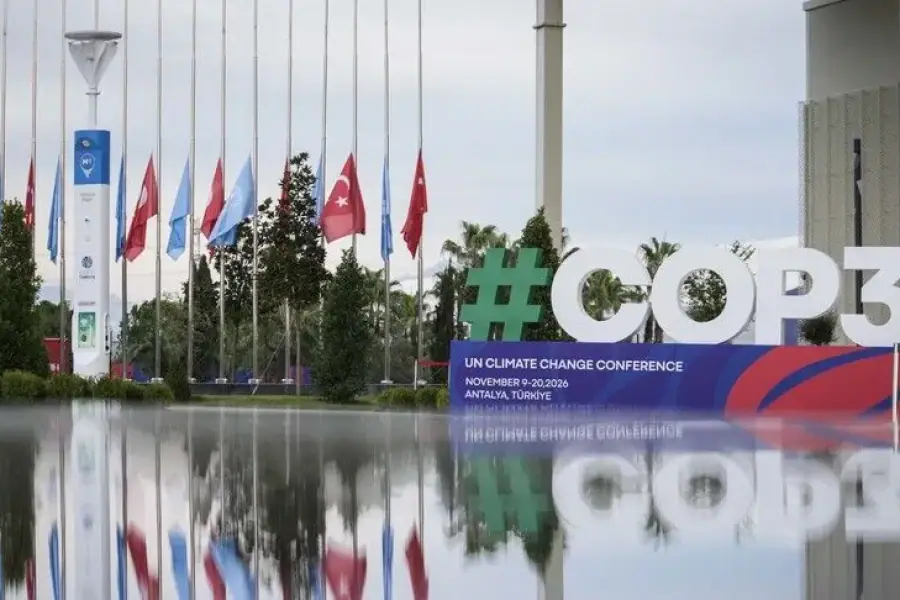
The 31st edition of the United Nations Climate Change Conference, held in Antalya, Türkiye, from November 9 to 22, concluded without a final agreement. Despite a prolongation of the summit, which was initially set to end on November 20, the 200 participating countries failed to reach a consensus. The main point of contention was the issue of fossil fuels, including gas, oil, and coal, which are the primary causes of greenhouse gas emissions.
The lack of an agreement has sparked criticism of the UN Climate Change Conference model, which relies on consensus and allows a small group of countries to block decisions. Many countries, particularly those in Africa, have expressed disappointment and frustration with the outcome. They argue that the wealthy countries, which are major polluters, have not taken sufficient action to address climate change and have not provided adequate financial support to help vulnerable countries adapt to its impacts.
The African negotiating group, led by Ghana's Minister of Environment, Anetor Agyeman-Rawlings, expressed concerns that the wealthy countries have not fulfilled their obligations to support climate action in Africa. The continent is disproportionately affected by climate change, despite being responsible for only a small fraction of global greenhouse gas emissions. The African group had called for a more ambitious agreement that would address the needs of vulnerable countries.
The COP31 conference had several key objectives, including ensuring climate finance for countries in the Global South, establishing a just transition mechanism to protect workers' rights, and charting a path for a transition away from fossil fuels and towards clean energy. However, none of these objectives were achieved. Many experts have pointed to the lack of transparency in the conference's co-presidency, led by Türkiye and Australia, as a major factor contributing to the failure of the negotiations.
The failure of COP31 has significant implications for global efforts to address climate change. The conference was seen as a critical opportunity for countries to come together and agree on concrete actions to reduce greenhouse gas emissions and support vulnerable countries. The lack of an agreement has raised concerns that the goal of limiting global warming to 1.5 degrees Celsius above pre-industrial levels may be out of reach.
The next UN Climate Change Conference, COP32, is scheduled to take place in Ethiopia in November 2027. It is unclear whether the issues that led to the failure of COP31 will be resolved before then. In the meantime, countries are expected to continue to work towards reducing their greenhouse gas emissions and supporting climate action in vulnerable countries.
The outcome of COP31 has also sparked debate about the role of fossil fuels in the global energy mix. Many countries, particularly those that are rich in fossil fuel reserves, have been reluctant to commit to a transition away from these energy sources. However, there is growing recognition that a transition to clean energy is necessary to address climate change and ensure a sustainable future.
Key points
- The 31st UN Climate Change Conference failed to reach an agreement on fossil fuels, a major contributor to greenhouse gas emissions.
- The conference's failure has sparked criticism of the UN Climate Change Conference model and raised concerns about the ability of countries to work together to address climate change.
- The next UN Climate Change Conference is scheduled to take place in Ethiopia in November 2027.
Reporting sources
- COP31 : le sommet se termine par un échec · Maliweb.net