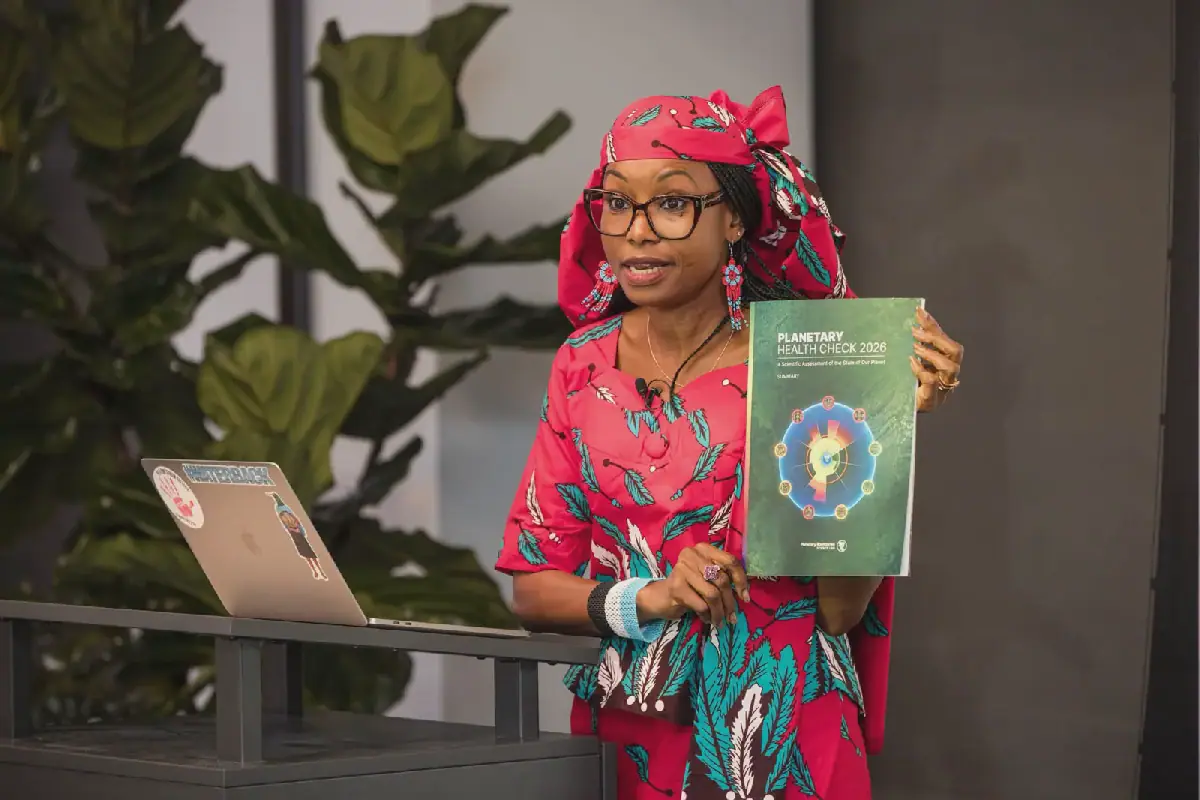
At a recent gathering in Yerevan, Armenia, Hindou Oumarou Ibrahim, coordinator of Chad's Association of Women and Indigenous Peoples (AFPAT), emphasized the need for tangible financial support to protect the environment and local communities. This call to action comes as discussions focus on strengthening ties between climate change mitigation, biodiversity preservation, and desertification combat. Ibrahim stressed that these interconnected challenges demand coordinated responses and sufficient financial backing.
Ibrahim's comments highlight a longstanding issue: the disparity between international environmental commitments and actual funding. Despite over three decades of environmental negotiations, she lamented that promised resources have not materialized. Instead, funds continue to support fossil fuel projects, which could be redirected towards environmental initiatives and affected communities. Ibrahim urged a shift in resource allocation, emphasizing that "the money is there; it just needs to be redirected to the right side and into the hands of communities."
The issue resonates deeply in Chad, where rural and pastoral communities rely heavily on natural resources. Land degradation, water scarcity, and climate change impacts underscore the need for enhanced local resilience and ecosystem restoration initiatives. Ibrahim's appeal extends beyond mere funding mobilization, emphasizing the importance of accessibility. Community organizations and concerned populations must directly benefit from environmental protection, land restoration, and climate adaptation resources.
The role of traditional knowledge and indigenous practices in crafting locally tailored responses is also crucial. Ibrahim's advocacy aligns with efforts to bridge the gap between international commitments and grassroots realities. As the global community converges on environmental issues, her message stresses the imperative of translating rhetoric into actionable support.
Chad's environmental challenges are multifaceted, with climate change, desertification, and biodiversity loss intersecting in complex ways. The country's reliance on natural resources for livelihoods and economic stability amplifies the urgency of effective environmental management. Ibrahim's call for targeted funding echoes the concerns of many developing nations facing similar environmental and socio-economic pressures.
The global response to environmental crises will be closely watched, particularly in vulnerable regions like Chad. As stakeholders navigate the complexities of environmental governance, Ibrahim's emphasis on community-led initiatives and accessible funding will likely remain a focal point. Ensuring that resources reach those directly impacted by environmental degradation is critical to fostering resilience and sustainable development.
The path forward will involve collaboration among governments, international organizations, and local communities. Ibrahim's advocacy serves as a reminder that environmental protection is inextricably linked to social justice and economic viability. By prioritizing community needs and traditional knowledge, the global community can work towards more effective and equitable environmental solutions.
Key points
- Chad's environmental challenges require coordinated responses and sufficient financial backing.
- Redirecting funds from fossil fuel projects to environmental initiatives and affected communities is crucial.
- Ensuring accessible funding for local communities and organizations is essential for effective environmental management.