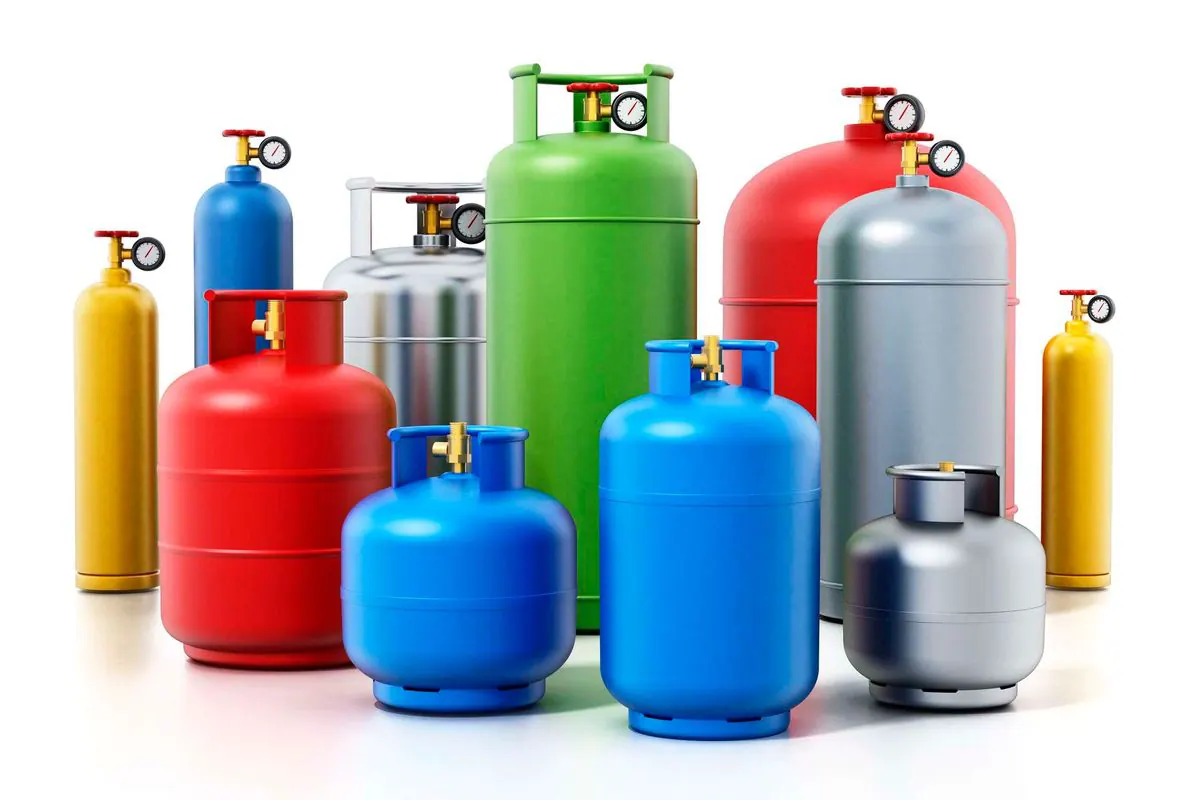
Cooking gas prices in Kenya are set to rise next month due to a surge in the cost of propane and butane, key ingredients used to produce liquefied petroleum gas (LPG). Industry executives cite market disruptions linked to the Middle East conflict as the cause. LPG is produced by blending propane and butane hydrocarbon gases. The prices of these gases have increased significantly, with butane prices jumping 25.8 percent to $628 from $499 in August.
The Saudi Aramco LPG contract prices serve as the primary benchmark for the commodity in the Middle East and Asia-Pacific markets. Kenya primarily sources its LPG stocks from Saudi Arabia and other producers in the Middle East, as well as from other global trading hubs and African suppliers. According to market data from Saudi Aramco, propane prices have increased by 23.2 percent to $494 from $401 in August. These price increases are expected to be reflected in domestic LPG prices in Kenya.
Petroleum sector executives in Kenya have stated that higher prices of butane and propane will lead to increased LPG prices. An executive of a leading oil marketer noted that LPG prices should go up next month, mainly due to the Saudi Aramco contract prices. The average prices of butane and propane have significantly increased this month, affecting local prices next month. This is not the first time prices have risen; in May, LPG prices shot up by more than Sh390 after Saudi Aramco increased prices in response to the Middle East conflict.
The renewed conflict between the US and Iran has disrupted operations at a key port that Saudi Arabia has relied on to export petroleum products. The logistical nightmare at the port of Yanbu prompted Saudi Aramco, a major exporter of LPG, to increase prices of butane and propane. The Yanbu terminal, mainly used by Saudi Aramco as an alternative to the Strait of Hormuz, has come under attack from the Houthi rebels, hitting exports from the facility. This has resulted in a significant drop in exports from the terminal to the Asian markets.
Exports from the Yanbu terminal dropped to 71,200 tonnes last month from 240,300 tonnes in July and 302,600 tonnes in June. They are expected to drop further to 51,700 tonnes this month. Supplies of LPG from the Middle East remain tight amid the ongoing regional tensions that have led Iran and allied rebels to attack critical petroleum infrastructure of pro-US countries like Saudi Arabia. This has resulted in a challenging environment for LPG suppliers.
Currently, TotalEnergies Marketing is selling a 13-kilogramme cylinder of cooking gas at Sh3,400, down from Sh3,510 in May. A 13-kg pack of LPG is retailing at Sh3,225 at Rubis Energy, compared with Sh3,530 in May. Besides LPG, prices of diesel, petrol, and kerosene are also set to rise next month in response to the escalating Middle East conflict. An executive from another oil marketer noted that with the geopolitical dynamics, the cost is going up, and local prices will definitely increase.
Kenya does not currently control or cap LPG retail prices, leaving cooking gas costs entirely determined by private market forces and individual brand distributors. Prices of diesel, petrol, and kerosene are, however, controlled by the State, which sets monthly rates. Despite tax breaks exempting LPG from VAT, the 3.5 percent Import Declaration Fee, and the two percent Railway Development Levy, adopted in 2023, oil marketers and dealers have been accused of denying consumers the benefit of these tax breaks. Cooking gas consumption in Kenya has continued to rise, defying steep prices.
Key points
- The prices of butane and propane have increased significantly, with butane prices jumping 25.8 percent to $628 from $499 in August.
- The renewed conflict between the US and Iran has disrupted operations at a key port that Saudi Arabia has relied on to export petroleum products.
- Kenya does not currently control or cap LPG retail prices, leaving cooking gas costs entirely determined by private market forces and individual brand distributors.