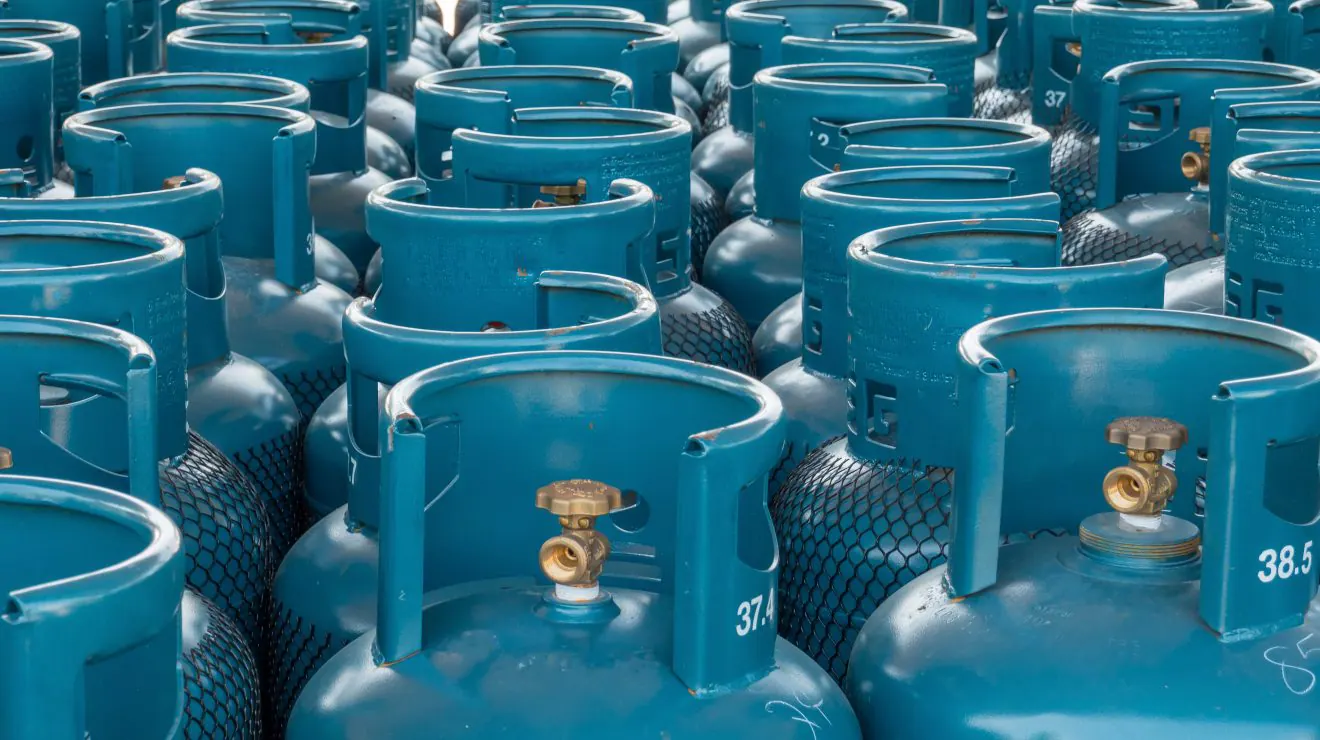
The cost of cooking gas in Kenya is expected to increase next month, driven by a sharp rise in international prices of propane and butane, the two gases used to make liquefied petroleum gas (LPG). According to market data from Saudi Aramco, butane prices have jumped 25.8 percent to $628 from $499 in August, while propane prices have increased by 23.2 percent to $494 from $401. This significant increase in costs is likely to be passed on to consumers in Kenya.
The crisis in the Middle East has disrupted petroleum exports, including through Saudi Arabia's Yanbu Port, an alternative route when shipment through the Strait of Hormuz is disrupted. The exports from the terminal to Asian markets dropped to 71,200 tonnes last month from 240,300 tonnes in July and 302,600 tonnes in June. The situation is expected to worsen, with exports predicted to drop further to 51,700 tonnes this month. This disruption in supply is a major factor contributing to the expected price increase.
The impact of the crisis in the Middle East on global LPG prices is being closely watched by industry stakeholders in Kenya. The country relies heavily on imported LPG to meet its domestic demand, and any increase in international prices has a direct impact on local consumers. With the prices of propane and butane expected to remain high, it is likely that cooking gas prices in Kenya will continue to rise, putting pressure on household budgets.
The Kenyan government and industry players are likely to be monitoring the situation closely, looking for ways to mitigate the impact of the price increase on consumers. However, with the global market dictating prices, there may be limited options for intervention. Consumers in Kenya are likely to feel the pinch of the price increase, which could have a ripple effect on the economy.
The increase in cooking gas prices comes at a time when Kenya is trying to promote the use of LPG as a cleaner and more efficient cooking fuel. The government has been implementing policies to encourage the adoption of LPG, including reducing taxes on LPG imports. However, the current price increase may slow down the adoption of LPG, as consumers may be deterred by the higher costs.
Industry experts are predicting that the price increase will have a significant impact on the cooking gas market in Kenya. Some consumers may be forced to switch to alternative fuels, such as charcoal or kerosene, which could have negative environmental and health impacts. Others may absorb the increased cost, which could affect their household budgets.
The cooking gas price increase is a timely reminder of the interconnectedness of global markets and the impact of international events on local economies. As the situation in the Middle East continues to evolve, industry stakeholders in Kenya will be watching closely to see how it affects the local cooking gas market.
Key points
- The crisis in the Middle East has driven a sharp increase in international prices of propane and butane.