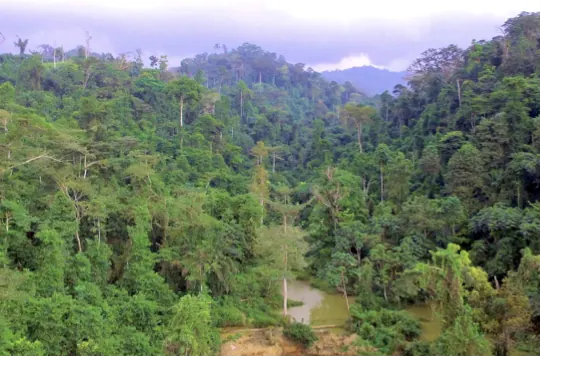
The conversion and development of the Atewa Range Forest Reserve into a national park could have significant economic benefits for Ghana. According to civil society organisations advocating for the protection of the forest, this move could create at least 3,000 jobs and generate more than US$5million annually in tourism revenue. This initiative is expected to contribute to the country's economic growth while promoting environmental conservation.
The Atewa Range Forest Reserve is a vital ecosystem that requires protection. Civil society organisations are pushing for its conversion to a national park to ensure its preservation. This move is expected to not only create jobs and generate revenue but also safeguard the reserve's biodiversity. The reserve's unique ecosystem and natural resources make it an attractive destination for tourists, further highlighting the need for its conservation.
Ghana's tourism industry has the potential to drive economic growth, and the Atewa national park could be a significant contributor. The creation of 3,000 jobs would have a positive impact on the local community, providing opportunities for economic empowerment. Additionally, the US$5million in annual tourism revenue would be a significant boost to the country's economy.
The conservation of the Atewa Range Forest Reserve is crucial for environmental sustainability. The reserve is home to a diverse range of plant and animal species, some of which are endemic to the area. By protecting the reserve, Ghana can preserve its natural heritage and ensure the long-term health of its ecosystem.
Civil society organisations are playing a vital role in advocating for the protection of the Atewa Range Forest Reserve. Their efforts are focused on raising awareness about the importance of conservation and promoting sustainable development. By working together with stakeholders, these organisations aim to ensure that the reserve is protected for future generations.
The development of the Atewa national park would require careful planning and management. It is essential that the needs of local communities are taken into account, and that the park is developed in a sustainable and responsible manner. This would involve collaboration between government agencies, civil society organisations, and local stakeholders.
The Atewa national park has the potential to become a flagship conservation project in Ghana. If successfully implemented, it could serve as a model for other conservation initiatives in the country. The park's development would demonstrate Ghana's commitment to environmental sustainability and provide a valuable source of revenue for the country.
Key points
- Creation of 3,000 jobs and generation of US$5million in annual tourism revenue.