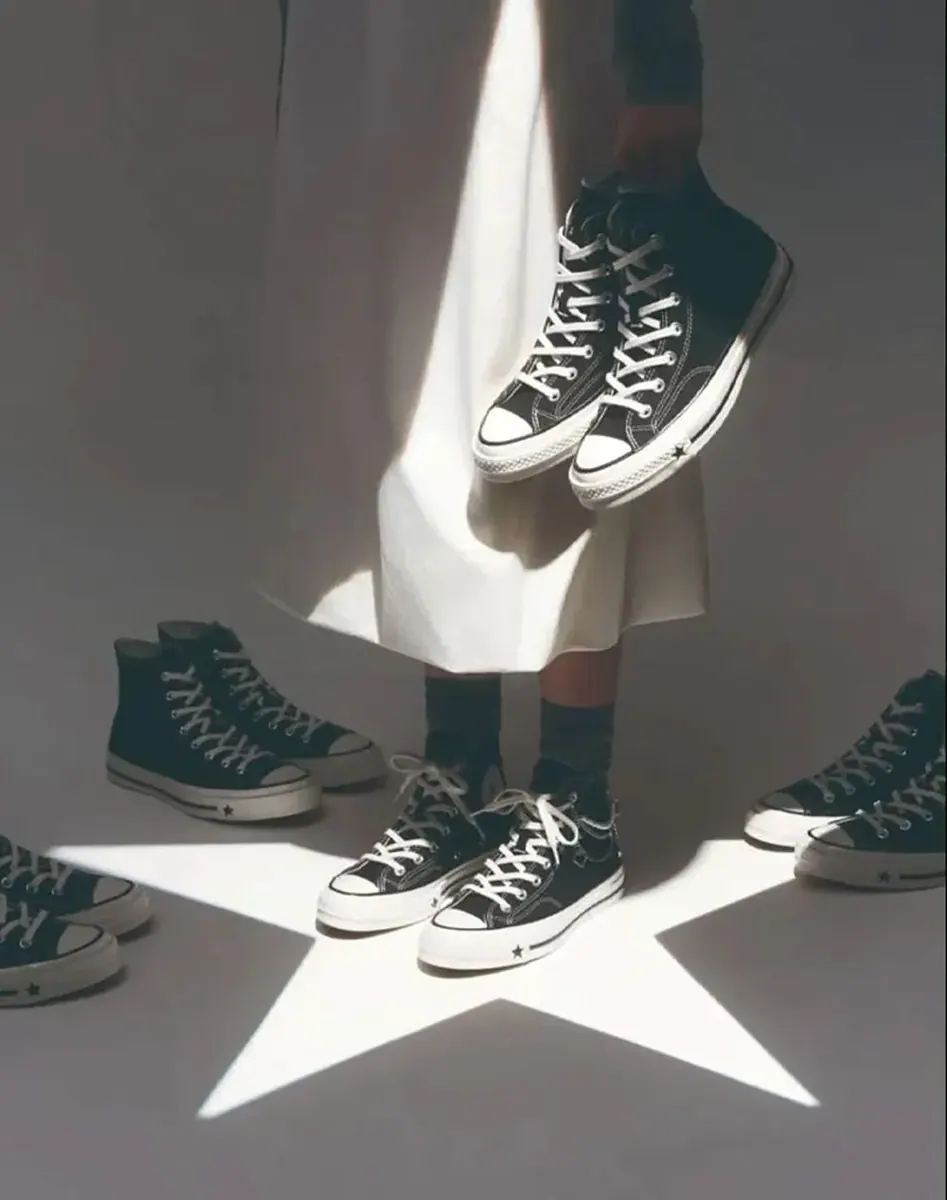
American sneaker manufacturer Converse recently apologized and removed an advertisement that sparked outrage on social media due to its resemblance to KKK imagery. The image, shared on the company's Instagram account, featured a pair of shoes and a lynching victim, prompting criticism from users who claimed the lighting resembled a white pointed hood. Converse acknowledged the image was "deeply upsetting" and recognized they "got this wrong."
The controversy began when social media users expressed their disapproval of the advertisement, with many criticizing the company's creative process. Blair Monique Walker, an American branding and marketing specialist, voiced her disgust on Instagram, stating that the image was unacceptable and that Converse owed the public more than a deleted image. Walker emphasized the need for accountability, an explanation, and serious reflection on who is involved in making creative decisions.
Walker was not alone in her criticism, as many users felt that the image was insensitive and evoked traumatic symbols in American history. Jacqueline Peterson, another user, shared her concerns, stating that the image was difficult to unsee and that the brand cannot dismiss the public's reaction as simply interpreting art differently. Peterson questioned the choices made by Converse, including the approval of the image and the decision to remove it after backlash.
The incident is not the first time a major brand has faced criticism for a tone-deaf advertisement. In 2018, H&M faced backlash for showcasing a young Black child wearing a green hoodie with the words "Coolest monkey in the jungle" printed on it. Similarly, Starbucks Korea and American Eagle have also faced criticism for their advertisements in 2026 and 2025, respectively. These incidents highlight the importance of understanding cultural context and avoiding racist iconography in marketing campaigns.
Critics argue that the lack of diversity in creative and decision-making teams often leads to insensitive and stereotypical concepts. The absence of people of color in empowered positions can result in a failure to identify and flag potentially offensive material before production. This has led to calls for greater diversity and inclusion in the advertising industry.
Converse's apology and removal of the advertisement were seen as necessary steps, but critics argue that more needs to be done to address the underlying issues. The incident serves as a reminder of the importance of cultural sensitivity and responsible marketing practices. As brands continue to navigate the complex landscape of social media and public opinion, they must prioritize diversity, inclusion, and accountability in their creative processes.
The controversy surrounding Converse's advertisement highlights the need for brands to be mindful of their messaging and imagery. By prioritizing cultural sensitivity and responsible marketing practices, brands can avoid similar backlash and build trust with their audiences. As the advertising industry continues to evolve, it is essential for brands to learn from past mistakes and strive for greater diversity and inclusion in their creative processes.
Key points
- Converse apologized and removed an advertisement that featured KKK imagery, sparking outrage on social media.
- The incident highlights the importance of diversity and inclusion in creative and decision-making teams to avoid insensitive and stereotypical concepts.
- The controversy serves as a reminder of the need for brands to prioritize cultural sensitivity and responsible marketing practices.