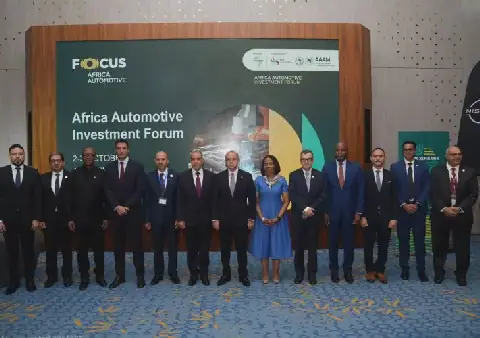
Distinguished conservation scientist Professor Stuart Pimm believes that while biodiversity is under serious pressure, exaggerated claims of impending catastrophe can undermine the conservation cause. As an authority on extinction, Pimm is often asked about his personal response to the decline of vast numbers of species across the globe. He responds by saying that he gets up in the morning because he knows there's something he can do about it. Pimm will be delivering the opening plenary session at the 15th annual Oppenheimer Research Conference in Midrand from 7 to 9 October 2026.
The conference, themed "Connecting People, Places and Planet", brings together over 500 researchers, conservationists, and policymakers to showcase how evidence-based science is driving practical change across the continent. Pimm's plenary session, titled "Is Earth's biodiversity really in peril?", will be presented via video link from Duke University in North Carolina. In his own writings, Pimm explains that while threats to the natural world are manifest, overstating these harms the cause. He believes that indulging in doom-mongering fosters a sense of helplessness and discounts the successes conservationists have scored in many quarters.
Pimm recently wrote an op-ed for the Rewilding Institute, stressing that biodiversity loss is unquestionably serious, with species going extinct 1,000 times faster than they should. However, he criticizes talk of irreversible crisis and imminent catastrophe, citing the Living Planet Index as an example. The 2024 Living Planet Report quoted an average 73% decline in monitored vertebrate populations globally over the past 50 years, a figure often cited as evidence that Earth has exceeded a safe operating space for biodiversity.
Pimm argues that the Living Planet Index is "significantly flawed" and its widespread use undermines the credibility of effective conservation. He and Duke colleague John Gittleman took supporters of the index to task for linking it to the planetary boundaries concept and arguing that we have already moved beyond a safe zone for nature. Pimm believes that the underlying data doesn't support such a catastrophic feedback loop.
Conservation funding is another area of concern for Pimm. If the world is to achieve the 30-by-30 target of protecting 30% of land and sea by 2030, the way it is financed requires scrutiny. International aid agencies are already spending about $1 billion a year in the Global South, but it is unclear whether the money is being used wisely. Pimm calls for better monitoring and salutes initiatives like African Parks, which transparently reports its spending.
Pimm criticizes some big conservation groups, or "biNGOs", for a lack of transparency in their spending. He believes that these groups have budgets of a quarter to a third, or in one case over a billion dollars, but it's sometimes hard to find out where the money is going. Pimm's own NGO, Saving Nature, buys up bits of land worldwide to link fragmented or isolated reserves, forming more viable ranges for wildlife and helping to head off extinctions.
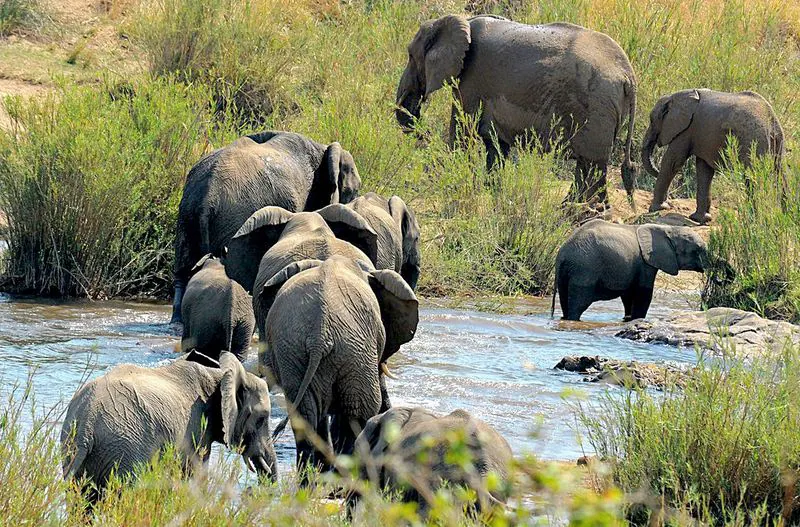
Pimm also seeks to disabuse widespread ignorance of Africa, including misconceptions about its size and notions that it is backward in conservation. He cites southern Africa as an example, where there are more elephants now than 25 years ago. Pimm believes that focusing on conservation successes and what can be learned from them is crucial, rather than perpetuating a narrative of impending doom.
Key points
- Conservation needs to focus on practical action rather than exaggerated claims of catastrophe.
- The Living Planet Index has been criticized for being "significantly flawed" and undermining effective conservation.
- Transparency in conservation funding and spending is essential to achieving the 30-by-30 target.