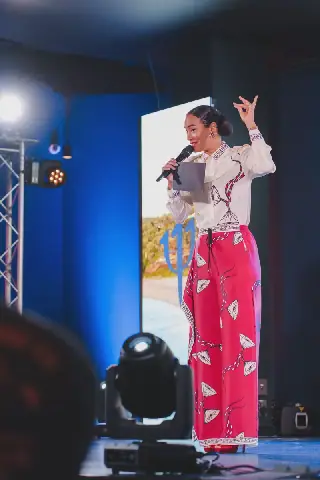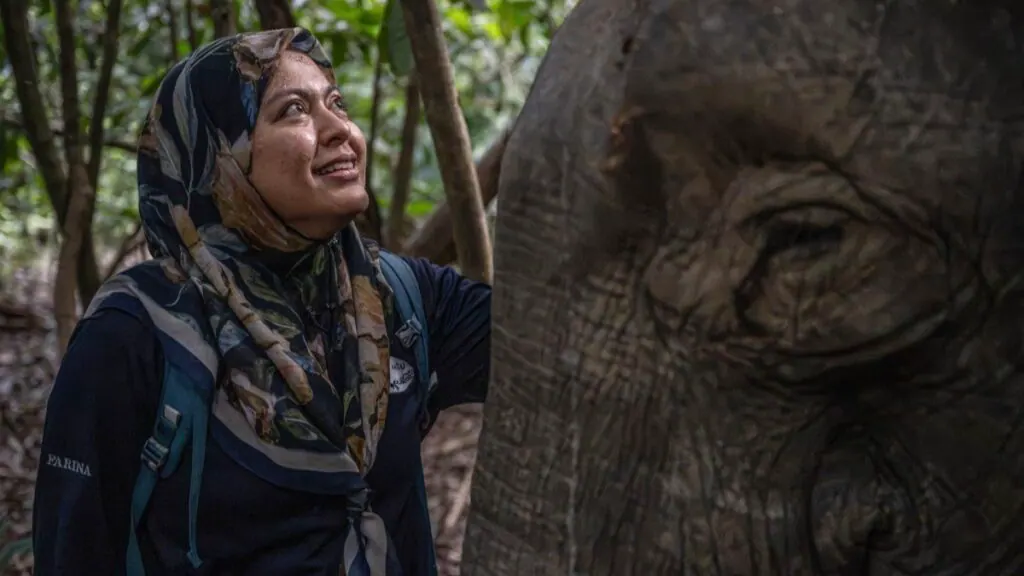
Deep in the Malaysian jungle of Borneo, a team of conservationists, led by Farina Othman, is working tirelessly to protect the endangered Borneo elephant. With only around 1,000 of these majestic creatures remaining in the wild, the team is racing against time to reduce conflicts between the elephants and local communities. Recently, they fitted a female elephant with a GPS collar, allowing them to track her movements and alert villagers in case of an approaching elephant.
The conservation efforts are crucial in the Kinabatangan region, where the elephants have lost over 60% of their habitat since the 1970s due to deforestation and palm oil plantations. The International Union for Conservation of Nature (IUCN) has classified the Borneo elephant as endangered since 2024. Farina Othman's team is working to create "corridors" for the elephants, allowing them to roam freely through the fragmented landscape of forest, plantations, and villages.
Farina Othman, also known as the "elephant whisperer," has dedicated her life to protecting these magnificent creatures. Her team, Seratu Aatai, works closely with local communities to educate them about the importance of coexisting with the elephants. They distribute informational brochures, conduct awareness programs in schools, and have designated community wildlife guardians to escort elephants that venture too close to human settlements.
The conservation efforts have shown promising results, with local communities beginning to understand the value of protecting the elephants. Firah Kazenn, a 21-year-old local resident, notes that before the conservation team's intervention, the community did not know how to manage the coexistence with the elephants, leading to numerous conflicts. However, with the team's help, the community is now actively involved in protecting the elephants.
One of the key challenges facing the conservation team is convincing palm oil plantations to collaborate in creating the elephant corridors. Muhammad Al Shafieq bin Mustafa, a former plantation director, notes that the plantations face economic constraints and often do not receive the recognition or financial support they need to implement sustainable practices.
Despite the challenges, Farina Othman remains optimistic about the future of the Borneo elephants. Her work has earned her the prestigious Whitley Award for nature conservationists. She believes that by working together, it is possible to create a situation where both the plantations and the wildlife can thrive.
The conservation team's efforts are a testament to the power of collaboration and community engagement in protecting endangered species. As Farina Othman notes, the goal is to change the narrative from "chasing" the elephants to "accompanying" them out of the area. With continued support and cooperation, it is possible to ensure the long-term survival of the Borneo elephant.
Key points
- Conservationist Farina Othman is working to protect Borneo elephants by creating corridors and educating local communities.