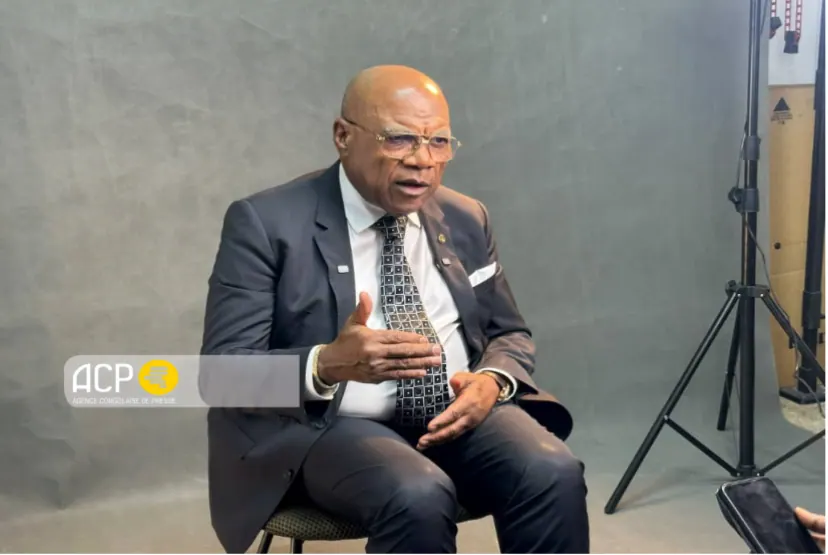
A Congolese national deputy has praised President Felix Tshisekedi's diplomatic efforts to reposition the Democratic Republic of the Congo (DRC) on the international stage. In an interview with the Congolese press agency, the deputy noted that the President's diplomatic travels, previously criticized, have contributed significantly to ending the country's diplomatic isolation. These efforts have led to the DRC's participation in major international conferences and meetings.
The deputy highlighted several key diplomatic achievements under President Tshisekedi, including the DRC's election as a non-permanent member of the United Nations Security Council for the 2026-2027 period. The country has also secured a seat on the Human Rights Council. Furthermore, the deputy cited UN Security Council Resolution 2773, adopted on February 21, 2025, which demands the immediate and unconditional withdrawal of Rwandan Defense Forces from Congolese territory.
The deputy, a former Minister of Foreign Affairs, emphasized that these diplomatic gains must be accompanied by a strategy to secure the effective withdrawal of Rwandan forces from Congolese territory. He stressed that sustained diplomatic pressure can yield results but urged international partners to enhance their actions in support of UN Security Council resolutions. The deputy also underscored the importance of the DRC honoring its commitments within the UN framework.
The issue of the M23 armed group was also addressed, with the deputy asserting that it cannot be separated from the Rwandan support that Kinshasa has denounced. He argued that the withdrawal of the M23 from Congolese territory is closely tied to the withdrawal of Rwandan forces. This perspective aligns with UN Security Council Resolution 2808, adopted in December 2025.
Resolution 2808 reiterated the Security Council's concern over the M23 offensive and the direct support provided by the Rwandan Defense Forces. The resolution also reaffirmed the Council's commitment to the sovereignty and territorial integrity of the DRC. The deputy called for a concerted effort to address these issues and consolidate the DRC's position among its international partners.
The Congolese government faces the challenge of translating diplomatic achievements into tangible results on the ground, particularly regarding the withdrawal of foreign forces and the stabilization of conflict zones. The deputy's comments reflect a broader discussion within the Congolese political landscape about the effectiveness of the government's diplomatic and security strategies.
As the DRC continues to navigate its international relationships and internal security challenges, President Tshisekedi's diplomatic approach remains a subject of interest and debate. The government's ability to balance diplomatic engagement with effective domestic governance will likely influence its success in achieving its strategic objectives.
Key points
- The Congolese national deputy praised President Felix Tshisekedi's efforts to "demystify Kigali" and reposition the DRC internationally.
- The DRC has achieved significant diplomatic gains, including a seat on the UN Security Council and the adoption of UN Security Council Resolution 2773.
- The deputy emphasized the need for a strategy to secure the withdrawal of Rwandan forces from Congolese territory and for the DRC to honor its international commitments.