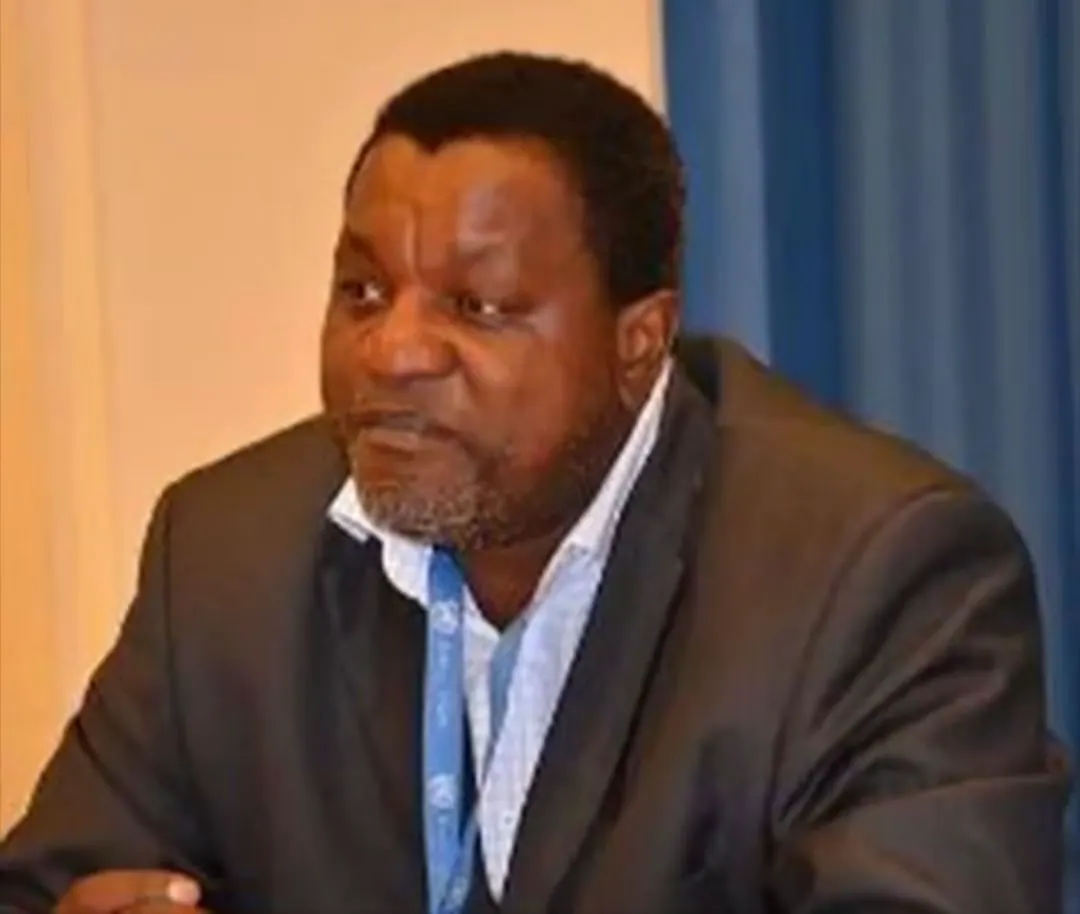
A recent event at the Francophonie summit in Yerevan, Armenia, has highlighted the challenges faced by journalists in the Democratic Republic of the Congo. Journalist Freddy Mulongo Mukena was present at the summit, where he attempted to ask a question to Louise Mushikiwabo, the Secretary-General of the Organisation Internationale de la Francophonie (OIF). However, his question was not taken, and Mukena has since spoken out about the difficulties faced by journalists in his country.
Mukena's experience is not unique. In the Democratic Republic of the Congo, journalists who speak out against those in power often face censorship, intimidation, and marginalization. The country's media landscape is characterized by a lack of freedom of expression, with journalists who criticize the government or powerful individuals often facing reprisals. This has led to a culture of self-censorship, with many journalists reluctant to speak out on sensitive topics.
The situation for journalists in the Democratic Republic of the Congo is further complicated by the influence of external powers. Mukena has accused Belgium of exerting pressure on him to stop practicing journalism. He claims that the Belgian ambassador to the Congo, Makiero 1er, is seeking to silence him. The relationship between the Congo and Belgium is complex, with Belgium having a long history of involvement in the country's affairs.
The role of the journalist as a watchdog on those in power is essential in a democratic society. However, in the Democratic Republic of the Congo, this role is often difficult to fulfill. Journalists who investigate corruption or abuse of power by government officials or other powerful individuals often face significant challenges, including intimidation and censorship.
The international community has a role to play in promoting freedom of expression in the Democratic Republic of the Congo. Organizations such as Article 19, which Mukena has worked with, are working to promote press freedom and protect the rights of journalists. However, more needs to be done to support journalists and ensure that they can work safely and without fear of reprisal.
Mukena's case highlights the challenges faced by journalists in the Democratic Republic of the Congo. Despite the risks, he remains committed to his work, and his experience has sparked a wider conversation about the importance of freedom of expression. As Mukena noted, a journalist is like a reed that bends in the wind but does not break.
The situation for journalists in the Democratic Republic of the Congo is a concern for human rights organizations and press freedom advocates. Key points include:
Key points
- Journalists in the Democratic Republic of the Congo face significant challenges, including censorship, intimidation, and marginalization.
- The influence of external powers, including Belgium, can exacerbate these challenges.
- The international community has a role to play in promoting freedom of expression and protecting the rights of journalists.