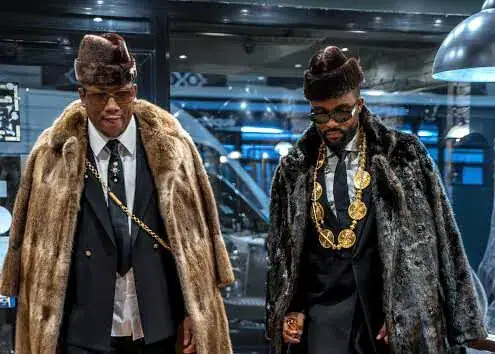
French rapper Mokobé recently posed a question to Lyor Cohen, YouTube's global head of music, about the platform's monetization policy for African artists. The exchange took place in Paris during a discussion on the potential inclusion of hip-hop in UNESCO's intangible cultural heritage. Mokobé asked when African artists would be able to monetize their content on YouTube. This question is particularly relevant for artists in the Democratic Republic of Congo, where creators are currently unable to join YouTube's Partner Program.
Lyor Cohen's response indicates that YouTube is waiting for African markets to reach a certain size before investing in monetization. He explained that the platform first develops its advertising business in a country before introducing subscription services. According to Cohen, the majority of monetization for African content currently occurs outside of the continent. He did not provide a specific timeline for when YouTube might open up monetization to more African countries.
YouTube's Partner Program is currently available in 13 African countries, but the Democratic Republic of Congo is not among them. This means that Congolese creators are unable to directly monetize their channels. As a result, some artists are forced to rely on labels or distributors based abroad to earn revenue from their videos. Others focus on building their audience through views and earn a living through live performances, private shows, and partnerships.
Mokobé's question highlights a long-standing issue for African artists who want to monetize their content on YouTube. The rapper, a former member of the French group 113, has built a reputation for his connections to African music. His collaboration with Congolese artist Fally Ipupa on the song "Carré" in 2023 and his support for Ipupa's concert at the Stade des Martyrs in 2022 demonstrate his ties to the Congolese music scene.
Lyor Cohen's response suggests that YouTube is driven by market considerations when deciding which countries to open up to monetization. He emphasized that the platform needs to see a certain level of advertising revenue before investing in a country. This approach can create a vicious cycle, where creators lack the incentive to invest in their channels without monetization, leading to a weaker offer and slower growth in the advertising market.
The issue of monetization for African artists on YouTube is not new. In September 2026, Talents2kin discussed the topic with Tiakola, an Afro-French artist. Mokobé's question to Lyor Cohen represents a broader demand from African artists for greater access to monetization on the platform. As a prominent figure in the French rap scene with connections to African music, Mokobé's advocacy for African artists may help bring attention to this issue.
The conversation between Mokobé and Lyor Cohen underscores the challenges faced by African artists seeking to monetize their content on YouTube. While the platform's Partner Program is available in some African countries, many others, including the Democratic Republic of Congo, are still waiting for access. As the music industry continues to evolve, it remains to be seen when YouTube will open up monetization to more African countries and what impact this will have on the continent's vibrant music scene.
Key points
- YouTube's global music head Lyor Cohen says the platform is waiting for African markets to reach a certain size before investing in monetization.
- The YouTube Partner Program is currently available in 13 African countries, but the Democratic Republic of Congo is not among them.
- African artists currently face significant challenges in monetizing their content on YouTube due to the platform's limited availability of monetization options in many countries.