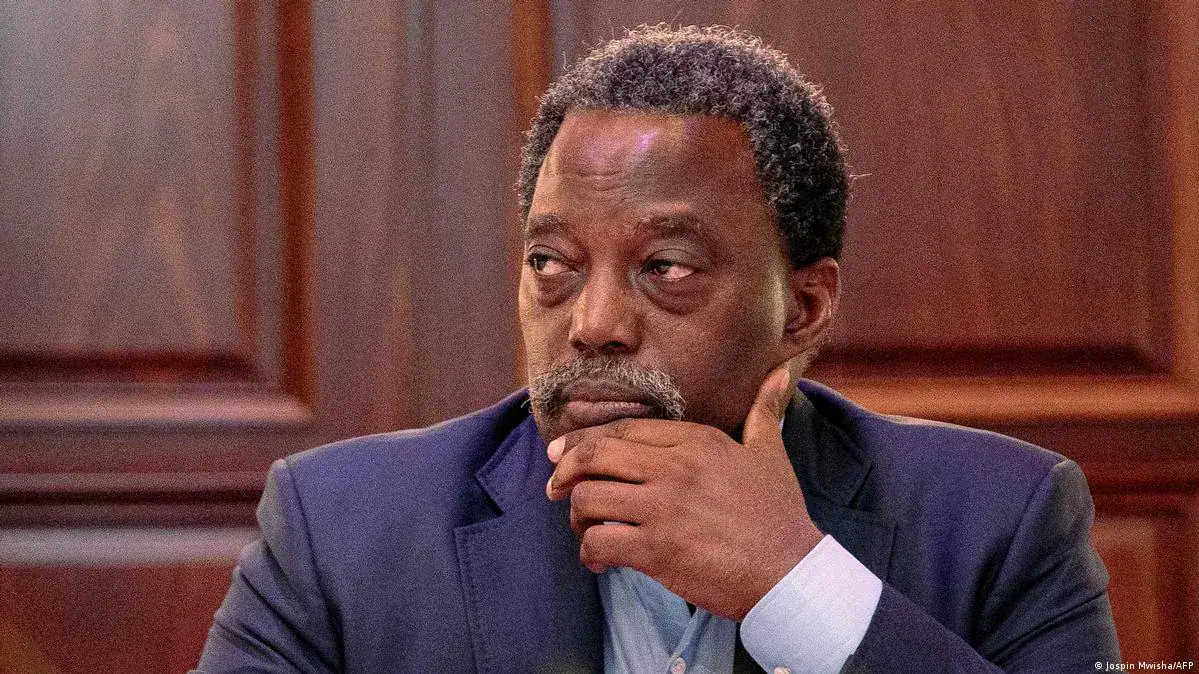
The government of the Democratic Republic of Congo has initiated a program to remove the name of former President Joseph Kabila from roads and public spaces across the country. This move was announced by Deputy Prime Minister Jacquemin Shabani, who oversees national governance. He has instructed provincial governors to conduct an inventory of all roads and public spaces named after Kabila.
The campaign aims to replace Kabila's name with new ones, as part of efforts to distance the country from his alleged ties to rebel groups. The government has accused Kabila of serious crimes, including collaborating with the FRN, a rebel group that was previously known as AFC/M23. This group has been accused of carrying out violent acts against the Congolese government.
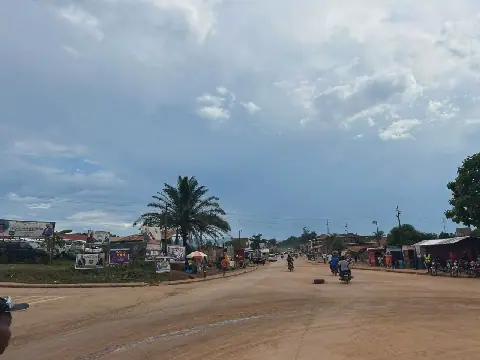
In a letter to provincial governors, Shabani requested that they compile a list of all roads and public spaces named after Kabila, including those owned by the state and private entities. The governors have been given 30 days to submit a report detailing the locations and suggesting new names. This move comes after President Félix Tshisekedi expressed his support for the campaign.
The decision to remove Kabila's name from public spaces was made in response to concerns about his alleged involvement in the country's security issues. The government claims that this campaign is part of a broader effort to promote national unity and prevent individuals from collaborating with enemy forces. Kabila's legacy continues to be a contentious issue in Congolese politics.
Relations between President Tshisekedi and former President Kabila have been strained, particularly since Kabila launched a new political party, the FRN. Kabila has accused Tshisekedi of failing to address the country's problems, citing his alleged lack of leadership skills and corruption. The removal of Kabila's name from public spaces is seen as a significant move to distance the government from his influence.
The campaign to rename public spaces is part of a broader effort to rebrand the country's image and distance itself from Kabila's controversial legacy. The government has identified at least 16 locations that will be renamed, and the process is expected to be completed once the necessary legal procedures are finalized. This move is likely to have significant implications for the country's politics and social landscape.
The renaming of public spaces is a significant development in the country's efforts to come to terms with its past and move forward. The government has faced criticism for its handling of Kabila's legacy, and this move is seen as an attempt to address some of the concerns. As the country continues to grapple with security and governance issues, the removal of Kabila's name from public spaces is likely to be seen as a symbolic gesture towards a new era.
Key points
- The government of Congo has launched a campaign to remove former President Joseph Kabila's name from public spaces, citing his alleged ties to rebel groups.